
Schedly resources
Flexible Employee Scheduling For Dynamic Teams
Dynamic teams face a real problem: traditional scheduling systems weren't built for them. Rigid rosters create bottlenecks, frustrate employees, and leave gaps when you need coverage most.
Flexible employee scheduling fixes this. At Schedly, we've seen firsthand how adaptive scheduling systems reduce turnover, boost customer satisfaction, and cut labor costs. This post shows you how.
Why Traditional Scheduling Fails Dynamic Teams
Rigid scheduling systems force businesses into a box that no longer fits. When you lock employees into fixed schedules weeks in advance, you lose the ability to respond to what actually happens. A restaurant faces an unexpected rush. A retail store needs coverage during a competitor's sale. A healthcare facility experiences unexpected call-outs. Traditional systems make these situations painful. Managers scramble to fill gaps manually, often calling employees last-minute, which damages morale and increases no-shows. Research from Fair Labor Standards Act enforcement records shows scheduling violations cost businesses significantly. Beyond penalties, the hidden costs pile up: overtime spirals when understaffing forces extended shifts, customer satisfaction drops when you can't meet demand, and your best employees leave because they can't plan their lives around unpredictable rosters.
The Real Cost of Inflexible Rosters
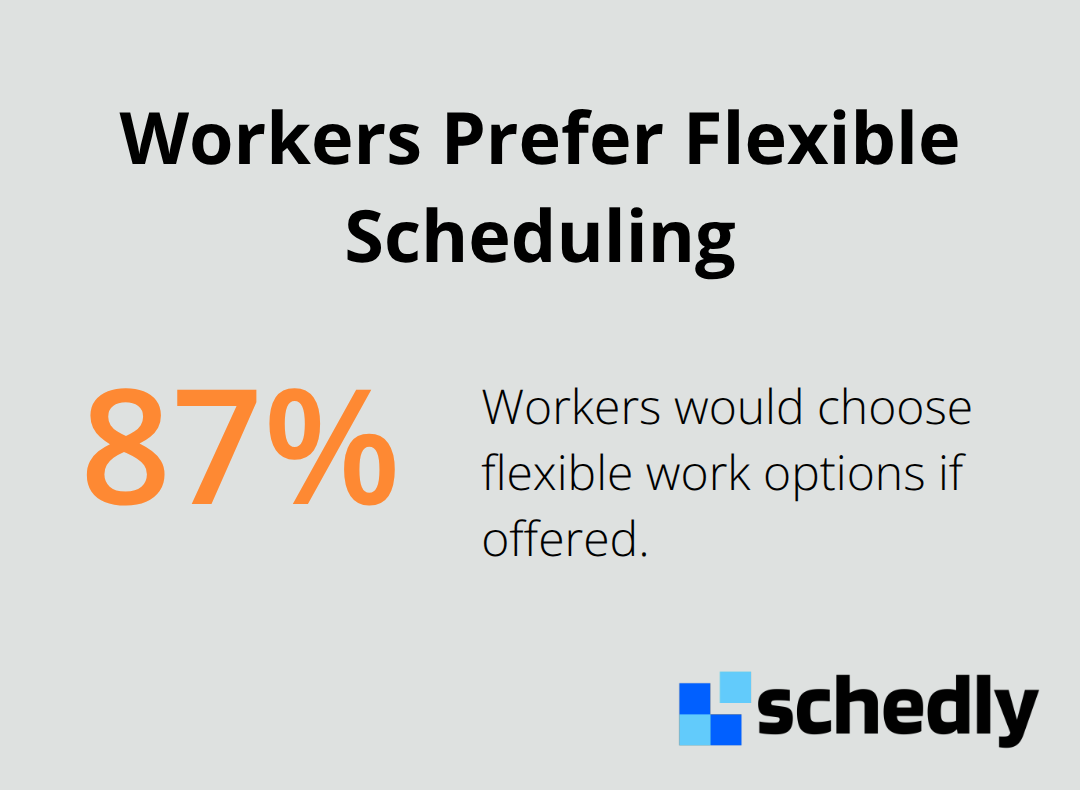
Employee burnout from rigid schedules isn't theoretical. When workers can't adjust their availability or swap shifts easily, they feel trapped. A single parent working retail can't request reduced hours during school exams. A healthcare worker stuck on rotating night shifts without input experiences faster fatigue. Research shows that 87 percent of workers would choose a flexible work option if offered, yet most organizations still operate on fixed schedules. This gap between what employees want and what they get drives turnover.
Peak Demand Reveals the Weakness
Traditional scheduling creates service gaps exactly when you can't afford them. You forecast demand months ahead, set a roster, and hope it matches reality. It rarely does. A summer heatwave drives unexpected demand for HVAC services. Black Friday hits retail differently than predicted. Flu season strains healthcare staffing. When your system can't adapt quickly, you either leave money on the table by turning away customers or you overstaff at massive cost. Real-time shift management with demand-based scheduling lets you adjust hours before the gap becomes a problem. Instead of guessing capacity, you respond to actual conditions. This shift from static planning to dynamic response separates businesses that thrive from those that merely survive.
How Flexible Scheduling Actually Works in Practice
Employee Self-Service Replaces Manual Approvals
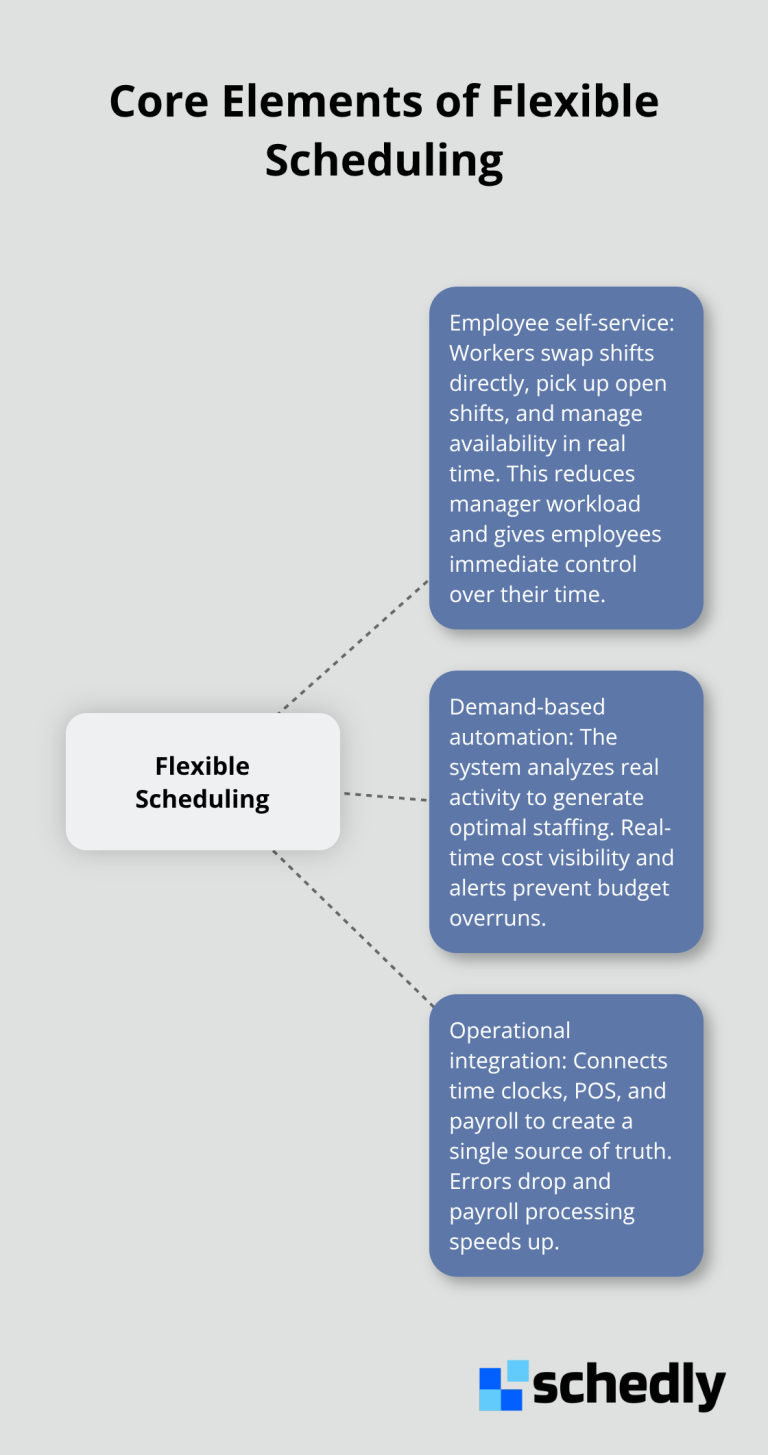
Modern scheduling systems succeed because they shift control away from static rosters toward real-time responsiveness. Employees gain self-service access to shift adjustments through mobile apps. Instead of waiting for a manager to approve a schedule change, workers swap shifts directly with colleagues or pick up open shifts posted by the system. This matters because it reduces the administrative burden on managers while giving employees immediate control over their time. A retail manager no longer spends hours processing shift requests-the system handles it. An employee with a sudden conflict finds coverage instantly instead of hoping the manager notices their email. McKinsey and Company research found that 87 percent of workers would choose flexible work options if offered, yet most still operate on static schedules. Self-service scheduling closes that gap.
Demand-Based Automation Replaces Guesswork
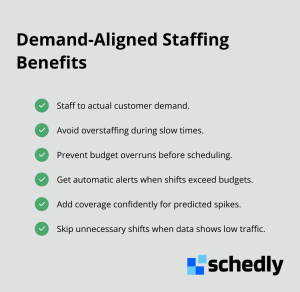
The second practical shift involves demand-based automation. Instead of building schedules based on outdated forecasts, modern systems analyze actual business patterns-foot traffic in retail, patient volume in healthcare, order volume in logistics-and generate optimal staffing levels automatically. You set labor budget targets and service-level requirements, and the system builds schedules that meet both. Real-time labor-cost visualization shows estimated shift costs as you schedule, preventing budget overruns before they happen. Automatic budget alerts notify managers when a shift would exceed labor budgets, enabling quick adjustments. This removes the guesswork that plagues traditional scheduling. Managers respond to what actually happens rather than what they predicted months ago.
Integration Eliminates Data Silos
The third element is integration with your existing operations. Scheduling systems that connect with time clocks, POS systems, and payroll software eliminate manual data entry and create a single source of truth. Time clocks with GPS geofencing ensure employees clock in from the right location, preventing discrepancies. When scheduling data flows directly to payroll, errors drop dramatically and processing time shrinks from hours to minutes. These three components-employee self-service, demand-based automation, and operational integration-work together to eliminate the friction that makes traditional scheduling fail dynamic teams. The real payoff appears when you measure the impact on your bottom line and your workforce stability.
What Flexible Scheduling Actually Delivers
Retention Improves When Employees Control Their Time
Flexible scheduling systems generate measurable business outcomes that justify their implementation. When employees gain control over their schedules through self-service shift swaps and availability management, turnover drops noticeably. Research shows that high turnover costs around 200 percent of an employee's annual salary to replace, accounting for recruitment, training, and lost productivity. Organizations that implement flexible scheduling see retention improve because employees feel heard and trusted. A single parent can adjust hours during school holidays without losing their job. A healthcare worker can request fewer night shifts to protect their health. This control transforms scheduling from a source of frustration into a benefit that keeps experienced staff in place. The financial impact compounds quickly. When you retain one employee who would have cost 200 percent of their annual salary to replace, you've already justified most scheduling software investments.
Staffing Matches Actual Demand, Not Forecasts
Flexible scheduling systems respond to actual customer demand instead of static forecasts. This responsiveness drives revenue because you staff appropriately for peak periods without overstaffing during slow times.
Data-Driven Labor Costs Replace Reactive Management
Labor cost management becomes data-driven rather than reactive. Businesses that track actual labor costs against revenue benchmarks catch problems early. The system alerts you to investigate when labor costs spike unexpectedly. Maybe you're overstaffing shifts. Maybe unexpected overtime is accumulating. Maybe call-outs are forcing premium labor costs. Knowing this immediately allows you to adjust scheduling or staffing strategies before the problem destroys your margins. GPS geofencing on time clocks prevents buddy punching and ensures accurate labor records. When time data flows directly to payroll without manual entry, processing errors disappear. These operational improvements compound into significant savings. Hospitality businesses report cutting thousands in overtime costs annually after implementing flexible scheduling. Healthcare facilities reduce agency labor spending because their own staff availability improves through flexible shift management. The combination of lower turnover, optimized staffing, and eliminated administrative waste creates a financial case that's hard to ignore. Flexible scheduling isn't a nice-to-have employee benefit. It's a fundamental operational improvement that protects margins and revenue simultaneously.
Final Thoughts
Flexible employee scheduling is no longer optional for businesses operating in dynamic environments. The evidence is clear: rigid rosters drain your budget through turnover costs, limit your ability to respond to demand, and frustrate employees who expect control over their time. Organizations that move away from static scheduling gain a competitive advantage that compounds over time.
Implementation starts with a clear vision of what you want to achieve-are you primarily focused on reducing turnover, cutting labor costs, or improving customer service during peak periods? Your answer shapes which features matter most. Most businesses benefit from all three, but prioritizing helps you measure success and justify the investment to stakeholders. Select a scheduling platform that matches your industry and operational complexity, involve your managers and employees in the transition, and establish clear expectations around how flexible employee scheduling works in your organization.
Tools like Schedly automate the booking process and offer flexible scheduling alongside multi-location management and workflow automation, saving time while giving employees the control they need. The platform integrates with your existing systems, eliminating data silos that slow down traditional scheduling. The businesses winning in competitive markets respond fastest to what actually happens, and flexible scheduling systems give you that responsiveness while simultaneously improving employee satisfaction and protecting your margins.