
Schedly resources
10 Future-Ready Strategies for Integrating Scheduling Automation with AI in Medium-Sized Businesses
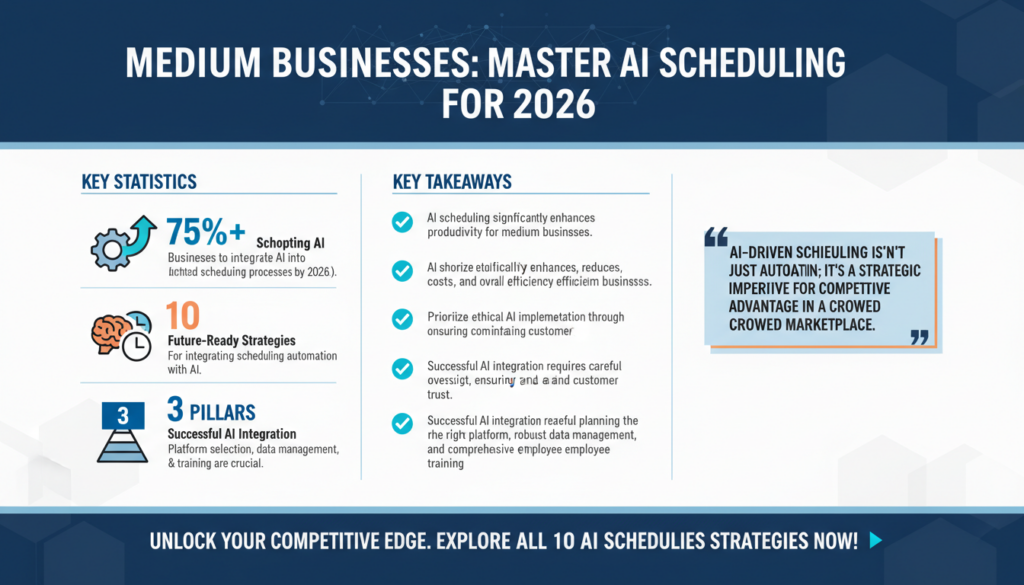
In today's rapidly evolving business landscape, medium-sized businesses are striving to stay competitive by leveraging automation and artificial intelligence (AI) in their operations. One of the most promising areas for innovation is scheduling automation, which, when integrated with AI, can significantly enhance productivity, reduce operational costs, and improve overall efficiency. This article explores ten future-ready strategies for integrating scheduling automation with AI, providing medium-sized businesses with the roadmap they need to thrive in 2026 and beyond.
The Rise of AI in Scheduling Automation
AI has been a game-changer in many sectors, and scheduling is no exception. Medium-sized businesses are increasingly recognizing the value of AI-driven scheduling tools that can adapt to dynamic business environments. According to Gartner's 2025 report on AI adoption, over 75% of medium-sized businesses are expected to integrate AI-driven solutions into their scheduling processes by 2026. This trend is driven by the need for increased efficiency and the ability to handle complex scheduling scenarios effortlessly.
AI-powered scheduling tools analyze data in real-time, offering insights into employee availability, customer preferences, and optimal resource allocation. This level of intelligence allows businesses to minimize scheduling conflicts, optimize resource utilization, and enhance customer satisfaction. By automating these processes, companies can focus on strategic growth rather than logistical challenges.
Moreover, AI's predictive capabilities enable businesses to anticipate scheduling needs, such as staffing requirements during peak seasons or potential delays in service delivery. The integration of AI into scheduling automation not only streamlines operations but also provides a competitive edge in a crowded marketplace.

As businesses continue to explore AI's potential, they must also consider the ethical implications of automation, ensuring that their practices align with industry standards and customer expectations. Balancing technological advancement with ethical responsibility will be crucial in maintaining trust and fostering long-term success.
Pro Tip: Ethical AI Implementation
When integrating AI into scheduling systems, consider forming an ethics committee to oversee the implementation. This committee can ensure that AI applications align with the company's values and comply with legal standards, safeguarding both customer trust and company reputation.
Implementing AI Scheduling Tools: Key Considerations
Successfully integrating AI scheduling tools into a medium-sized business requires careful planning and execution. One critical consideration is selecting the right platform that aligns with the company's specific needs and goals. According to a Forrester report, businesses should evaluate platforms based on criteria such as scalability, ease of integration, and user-friendliness.
Another important factor is data management. AI scheduling tools rely heavily on data to function effectively. Businesses must ensure that their data is clean, well-organized, and secure. Implementing robust data governance practices will help maintain data integrity and protect sensitive information.
Training and change management are also essential components of successful AI integration. Employees need to be adequately trained to use new scheduling tools effectively. Providing ongoing support and resources will ensure a smooth transition and encourage staff to embrace new technologies.

Avoiding common pitfalls is another key consideration. One mistake businesses often make is underestimating the resources needed for successful implementation. Allocating sufficient budget and personnel to oversee the integration process is crucial to avoid delays and ensure a seamless rollout.
Expert Insight: Choosing the Right AI Platform
When selecting an AI platform for scheduling, consider the unique features each offers, such as machine learning capabilities, user interface design, and customer support. Platforms like IBM Watson and Microsoft Azure have been rated highly for their comprehensive AI functionalities and robust support systems. Conducting a comparison of potential platforms can help identify the best fit for your specific business environment.
Leveraging AI for Enhanced Employee Engagement
AI-driven scheduling automation can significantly improve employee engagement by providing more flexible and personalized scheduling options. This is particularly important for medium-sized businesses, where employee satisfaction directly impacts productivity and retention rates. According to Deloitte's insights on future work trends, personalized scheduling options can lead to a 20% increase in employee engagement levels.
AI tools can analyze employee preferences and performance data to create schedules that align with individual needs and peak productivity times. This approach not only enhances work-life balance but also reduces burnout and absenteeism.
Moreover, AI can facilitate better communication between employees and management by providing real-time updates and notifications. This transparency fosters a sense of trust and collaboration, further enhancing employee morale.
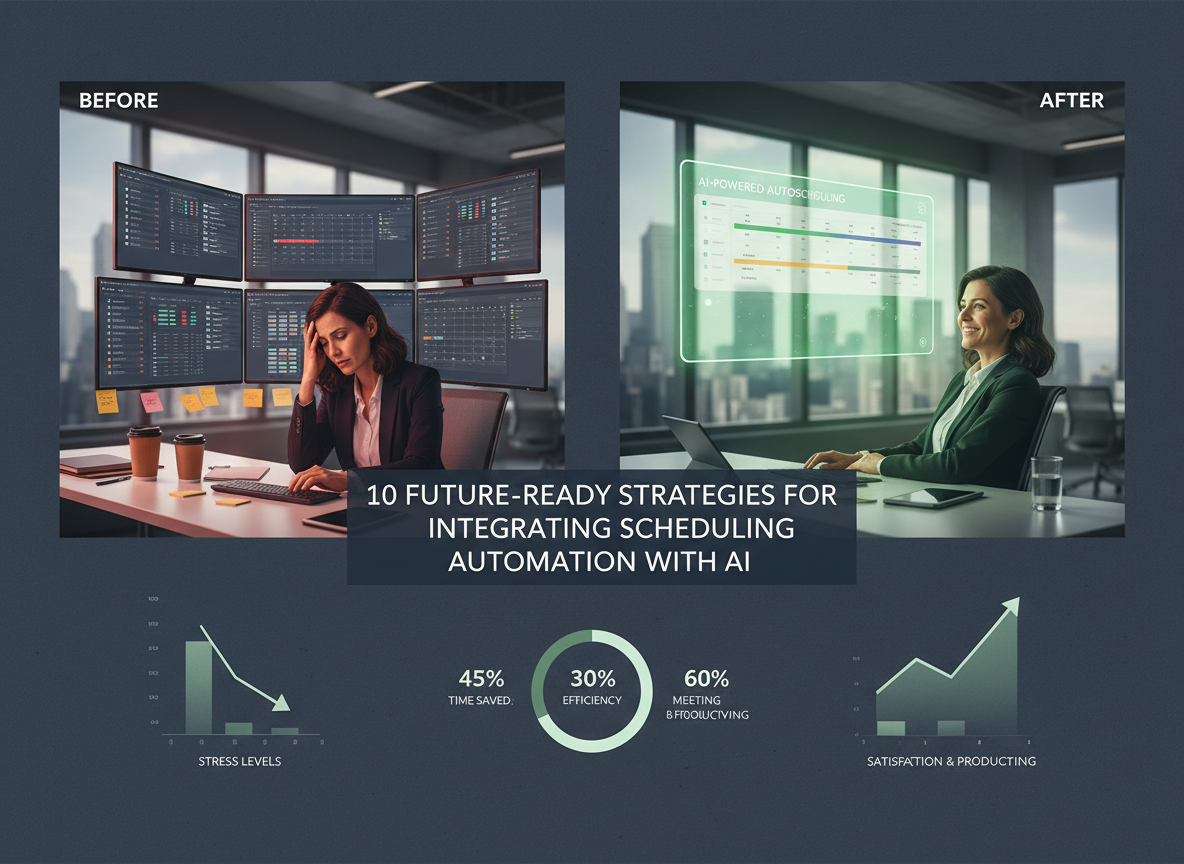
To maximize the benefits of AI-driven scheduling, businesses should also consider implementing feedback loops where employees can provide input on their scheduling preferences. This participatory approach empowers employees and reinforces a culture of inclusivity and respect.
Checklist: Implementing Employee-Centric AI Scheduling
- Analyze employee work history and preferences to tailor schedules.
- Set up regular feedback sessions to adjust and improve scheduling systems.
- Ensure real-time communication channels for schedule updates.
- Provide training on how to use new scheduling tools effectively.
Optimizing Resource Allocation with Predictive Analytics
Predictive analytics, a subset of AI, is revolutionizing how medium-sized businesses allocate resources. By analyzing historical data and identifying patterns, predictive analytics tools can forecast demand and optimize resource allocation accordingly. According to McKinsey, companies using predictive analytics report a 15% reduction in operational costs.
This capability is especially valuable for medium-sized businesses that need to manage resources efficiently without overextending their budgets. Predictive analytics can help businesses determine the optimal number of employees needed for specific tasks, ensuring that resources are neither underutilized nor overstretched.
Furthermore, predictive analytics can enhance customer service by anticipating customer needs and preferences. By aligning resource allocation with customer demand, businesses can deliver more timely and personalized services, improving customer satisfaction and loyalty.

For businesses looking to implement predictive analytics, it's important to ensure that data collection and analysis processes are robust and reliable. Investing in the right tools and training employees to interpret data effectively will maximize the benefits of predictive analytics.
Pro Tip: Leveraging Predictive Insights
To fully leverage predictive analytics, integrate insights into your business strategy sessions. Use these insights to guide decision-making processes, such as inventory management and workforce planning, to align operations with strategic goals.
AI-Driven Customer Experience Enhancements
In today's customer-centric business environment, enhancing the customer experience is a top priority. AI-driven scheduling automation offers medium-sized businesses a powerful tool to meet and exceed customer expectations. According to Accenture's research, businesses that prioritize customer experience see a 60% increase in customer satisfaction and a 30% increase in revenue.
AI scheduling tools can provide customers with personalized and convenient scheduling options, such as choosing preferred time slots or rescheduling appointments with ease. This flexibility enhances customer satisfaction and differentiates businesses from competitors.
Additionally, AI can streamline communication by sending automated reminders and notifications to customers, reducing no-shows and improving appointment adherence. This proactive approach not only enhances the customer experience but also optimizes business operations by minimizing disruptions.

For medium-sized businesses, integrating AI-driven customer experience enhancements requires a focus on customer feedback and continuous improvement. Regularly soliciting feedback and using AI to analyze customer sentiment can help businesses refine their offerings and maintain a competitive edge.
Expert Insight: Personalized Customer Interactions
Utilizing AI to analyze customer behavior can help predict future needs and preferences, allowing businesses to tailor interactions and services. For instance, AI can suggest products based on past purchases or preferences, enhancing the overall customer experience and fostering loyalty.
Ensuring Data Privacy and Security in AI Scheduling
As businesses increasingly rely on AI-driven scheduling tools, ensuring data privacy and security becomes a paramount concern. Medium-sized businesses must navigate complex regulatory environments and implement robust security measures to protect sensitive information. According to PwC, data breaches can result in significant financial and reputational damage, with the average cost of a data breach reaching $4.24 million.
To mitigate these risks, businesses should invest in secure AI solutions that comply with industry standards and regulations such as GDPR and CCPA. Implementing encryption, multi-factor authentication, and regular security audits are essential steps in safeguarding data.
Employee training is also critical in maintaining data security. Ensuring that staff are aware of best practices and potential threats can prevent accidental data breaches and reinforce a culture of security awareness.
By prioritizing data privacy and security, medium-sized businesses can build trust with customers and stakeholders, supporting sustainable growth and innovation.
Checklist: Building a Secure AI Environment
- Implement end-to-end encryption to protect data integrity.
- Regularly update security protocols to address emerging threats.
- Conduct periodic security audits to identify and rectify vulnerabilities.
- Educate employees on recognizing and responding to phishing attempts.
Integrating AI Scheduling with Existing Systems
For medium-sized businesses, integrating AI scheduling tools with existing systems can be a complex yet rewarding endeavor. Successful integration requires a strategic approach to ensure compatibility and maximize the benefits of automation. According to BCG, businesses that successfully integrate AI solutions report a 20% increase in operational efficiency.
One critical factor in successful integration is system compatibility. Businesses should ensure that their AI scheduling tools can seamlessly connect with existing software, such as CRM and ERP systems. This connectivity allows for consistent data flow and eliminates silos, enhancing overall efficiency.
Another important aspect of integration is process optimization. By mapping out current workflows and identifying areas for improvement, businesses can streamline operations and reduce redundancies. AI tools can then be configured to automate repetitive tasks, freeing up employees to focus on higher-value activities.
Continuous monitoring and evaluation are also crucial for successful integration. Regularly assessing system performance and gathering feedback from employees can help businesses identify areas for improvement and ensure that AI tools continue to meet evolving needs.
Pro Tip: Streamlining System Integration
Use middleware solutions to bridge gaps between AI scheduling tools and existing systems. Middleware can facilitate data exchange and ensure that all systems work harmoniously, reducing implementation time and costs.
Future Trends in AI Scheduling for Medium Businesses
As we look to the future, several trends are shaping the landscape of AI scheduling for medium-sized businesses. One significant trend is the rise of hybrid work models, which require more flexible and adaptive scheduling solutions. According to Forbes, hybrid work is expected to become the norm for 70% of businesses by 2027.
AI scheduling tools are evolving to accommodate these changes by offering features such as remote availability tracking and dynamic scheduling adjustments. These capabilities ensure that businesses can effectively manage distributed teams and maintain productivity.
Another emerging trend is the integration of AI with emerging technologies such as blockchain and the Internet of Things (IoT). These technologies offer new opportunities for enhanced data security, transparency, and operational efficiency, further optimizing scheduling processes.
Finally, the increasing focus on sustainability is influencing AI scheduling strategies. Businesses are leveraging AI to optimize resource allocation and reduce energy consumption, aligning with broader environmental goals and enhancing corporate social responsibility.
Expert Insight: Sustainability in AI Scheduling
Consider incorporating AI-driven energy management systems in your scheduling processes. These systems can track and optimize energy use, leading to reduced environmental impact and cost savings, aligning with the growing trend towards sustainable business practices.
Conclusion: Strategizing for Success in 2026 and Beyond
As medium-sized businesses navigate the complexities of integrating AI scheduling tools, they must adopt a strategic approach that aligns with their unique needs and goals. By leveraging the strategies outlined in this article, businesses can enhance productivity, improve employee engagement, and deliver exceptional customer experiences.
Incorporating AI into scheduling processes is not just a trend—it's a necessity for businesses seeking to remain competitive in a rapidly changing landscape. By investing in the right tools and fostering a culture of innovation, medium-sized businesses can position themselves for long-term success.
As you implement these strategies, consider complementing your efforts with tools like Apparatuz, which specializes in workflow automation, or Zignature, an e-signature platform that streamlines document management. Together, these approaches create a comprehensive solution for your business needs.
By embracing the future of scheduling automation and AI, medium-sized businesses can achieve new levels of efficiency and innovation, paving the way for a prosperous future.