
Schedly resources
How to Leverage Scheduling Automation for Enhanced Project Visibility and Accountability
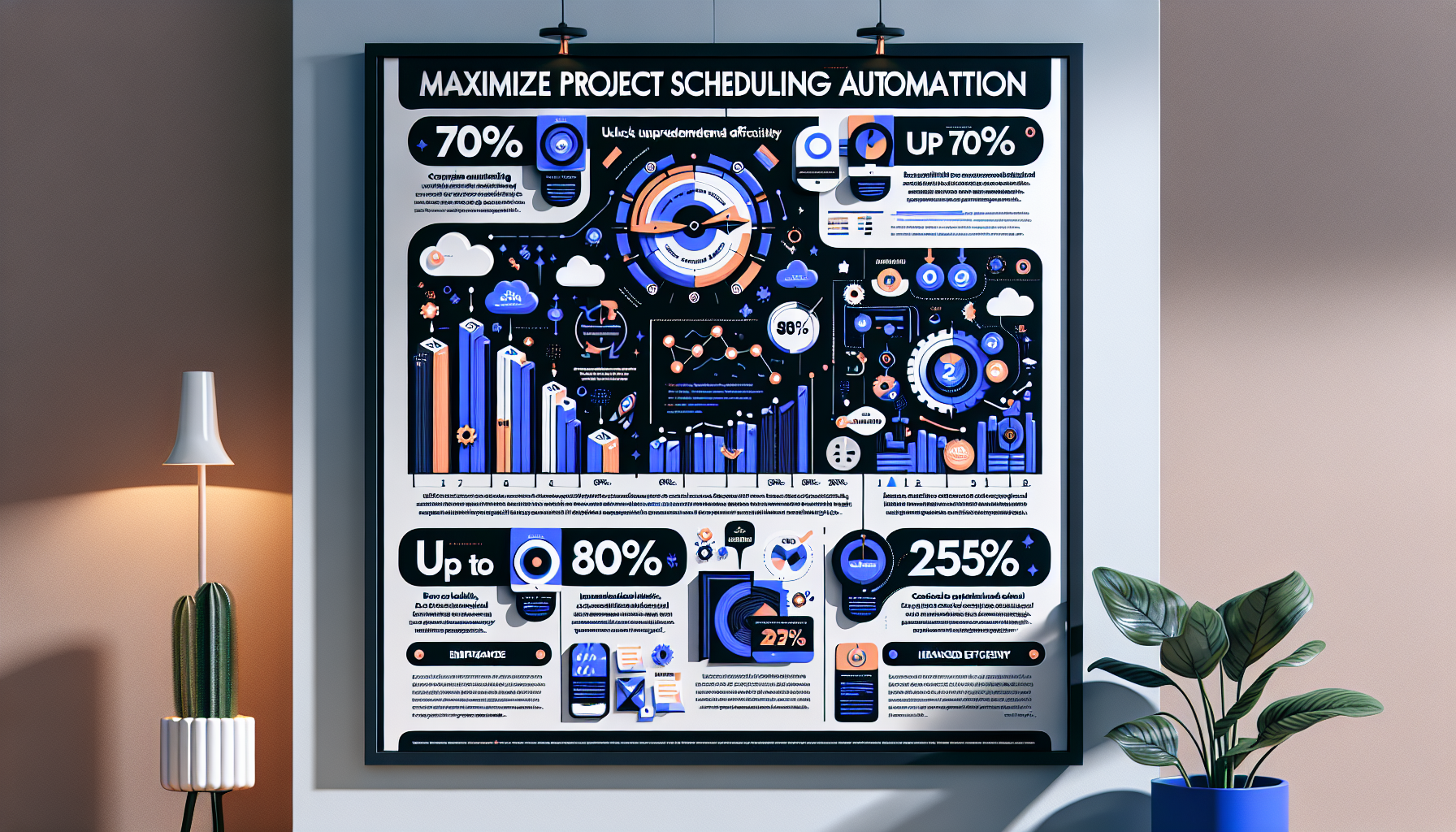
In today's fast-paced business environment, where every second counts, scheduling automation has become a linchpin for enhancing project visibility and accountability. As industries continue to evolve, the demand for efficient time management and streamlined processes has never been more critical. To remain competitive, organizations must leverage cutting-edge scheduling tools that not only simplify operations but also enhance transparency and responsibility across teams. This article explores the strategies and benefits of integrating scheduling automation into your business operations to achieve unprecedented levels of efficiency and clarity.
The Rise of Scheduling Automation in Modern Business
Over the last decade, scheduling automation has surged in popularity among businesses striving for operational excellence. According to Gartner, by 2025, over 70% of companies will have implemented some form of automation in their operations. This shift is largely driven by the need to reduce manual scheduling errors and increase overall productivity. Scheduling automation tools offer a range of features, including real-time updates, automated reminders, and integration with other business applications, making them indispensable in the modern workplace.

These tools not only save time but also provide a centralized platform for managing schedules across multiple departments. As businesses expand globally, the ability to coordinate across different time zones becomes crucial. Scheduling automation facilitates seamless communication and coordination, ensuring that all team members are on the same page, regardless of their geographical location.
Furthermore, automation enhances project visibility by providing detailed insights into scheduling patterns, resource allocations, and project timelines. This transparency enables managers to make informed decisions, anticipate potential bottlenecks, and optimize resource utilization. Consequently, projects are more likely to be completed on time and within budget, leading to increased client satisfaction and business success.
The rise of AI-powered scheduling tools has further revolutionized the industry. These advanced systems use machine learning algorithms to predict optimal scheduling patterns, adjust workloads dynamically, and even suggest personalized productivity tips for team members. As a result, businesses can achieve a new level of precision and efficiency in their scheduling processes. Moreover, these AI tools can learn from past data to improve the accuracy of scheduling forecasts, thus minimizing risks associated with project delays or resource shortages.
Expert Insight: The Human Element in Automation
While automation offers numerous advantages, the human element remains crucial. Teams must be trained to interpret and act on the insights provided by automated tools effectively. This means that human oversight is necessary to ensure that automation aligns with broader strategic goals and that nuanced decisions are made based on context that AI may not fully grasp.
In conclusion, the rise of scheduling automation is not just a trend but a necessity for any business looking to thrive in today's competitive landscape. By adopting these technologies, organizations can enhance their project visibility and accountability, ultimately leading to greater success.
Understanding the Impact on Project Visibility
Project visibility is a critical component of successful project management. It refers to the ability to see and understand the status of various project elements at any given time. Scheduling automation plays a pivotal role in enhancing this visibility by providing real-time updates and comprehensive data analytics. According to a study by McKinsey, companies that leverage digital tools for project management experience a 60% increase in visibility and a 50% reduction in project delays.

One of the primary benefits of scheduling automation is its ability to centralize information. By using a single platform, project managers can access all relevant data, including project timelines, resource allocations, and task progress. This centralization eliminates the need for multiple spreadsheets and disparate communication channels, reducing the risk of miscommunication and data loss. An example of this can be seen in a construction firm that adopted scheduling software, leading to a 30% reduction in communication errors and a significant improvement in project delivery times.
Pro Tip: Visualizing Data for Better Insights
Leveraging data visualization tools within scheduling software can significantly enhance project visibility. By transforming complex data sets into intuitive charts and graphs, managers can quickly identify trends, bottlenecks, and resource constraints, enabling them to make proactive adjustments to project plans.
Moreover, scheduling automation tools provide detailed analytics and reporting features. Managers can generate reports that highlight key performance indicators, track project milestones, and identify potential risks. These insights enable proactive decision-making, allowing managers to address issues before they escalate into major problems. For instance, a tech company using automated scheduling reported a 20% increase in project milestone adherence by leveraging these analytics.
Another significant advantage of scheduling automation is its ability to facilitate collaboration among team members. With real-time updates and notifications, team members are always aware of changes to the schedule, ensuring that everyone is aligned and working towards the same goals. This collaborative environment fosters a sense of accountability, as team members are more likely to meet their deadlines when they are aware of the impact their work has on the overall project.
In summary, the impact of scheduling automation on project visibility is profound. By providing centralized data, detailed analytics, and enhanced collaboration, these tools empower organizations to manage projects more effectively and achieve better outcomes.
Enhancing Team Accountability through Automation
Accountability is a cornerstone of effective team management. When team members are accountable for their tasks, projects are more likely to be completed on time and to a high standard. Scheduling automation enhances accountability by providing clear expectations and transparent tracking mechanisms. According to research by Forbes, companies that implement automation tools see a 35% improvement in team accountability.

Automated scheduling tools create a record of assigned tasks, deadlines, and dependencies. This transparency ensures that every team member knows their responsibilities and the timelines associated with them. When tasks are clearly assigned and tracked, team members are more likely to take ownership of their work and deliver results. For example, a marketing agency that switched to automated scheduling saw an increase in team accountability and a 25% reduction in missed deadlines.
Expert Insight: Encouraging Self-Management
Empower your team by encouraging self-management practices. Provide access to scheduling tools that allow team members to view their progress and make adjustments as needed. This autonomy not only promotes accountability but also increases job satisfaction as team members feel more in control of their work.
Moreover, automation facilitates regular check-ins and progress updates. By setting automated reminders and notifications, team members are prompted to review their tasks and update their progress. This regular cadence of updates keeps projects on track and allows managers to identify areas where additional support may be needed. A financial services firm reported that automated reminders led to a 40% improvement in weekly task reviews among their teams.
In addition to improving individual accountability, scheduling automation fosters a culture of collective responsibility. When teams can see the entire project timeline and understand how their tasks contribute to the overall goals, they are more likely to collaborate and support each other. This collaborative spirit enhances team cohesion and drives better project outcomes.
To conclude, enhancing team accountability through automation is a strategic advantage for any organization. By providing clear expectations, regular updates, and a culture of collaboration, scheduling automation ensures that teams remain accountable and projects are successfully completed.
Implementing Scheduling Automation: A Step-by-Step Guide
Implementing scheduling automation in your organization requires careful planning and execution. Here is a step-by-step guide to help you integrate these tools effectively:

Step 1: Assess Your Current Processes
Begin by evaluating your current scheduling processes. Identify areas where manual scheduling is causing inefficiencies, errors, or delays. Gathering input from team members who are directly involved in scheduling can provide valuable insights into pain points and opportunities for improvement. Consider conducting surveys or workshops to gather this feedback comprehensively.
Checklist: Identifying Key Pain Points
- Identify repetitive manual tasks that could be automated.
- Assess the impact of scheduling delays on project timelines.
- Evaluate the level of communication breakdowns in current processes.
Step 2: Choose the Right Tool
Select a scheduling automation tool that aligns with your organization's needs and budget. Consider factors such as ease of use, integration capabilities, and customer support. Platforms like Schedly offer a range of features designed to enhance scheduling efficiency and project visibility. Look for case studies or testimonials from similar industries to ensure the tool's effectiveness.
Step 3: Train Your Team
Once you've chosen a tool, provide comprehensive training to your team. Ensure that everyone understands how to use the platform effectively, including setting up schedules, assigning tasks, and generating reports. Training sessions should also address any concerns or questions team members may have. Consider using role-playing or simulations to enhance learning outcomes.
Pro Tip: Continuous Learning
Encourage continuous learning and adaptation by scheduling regular training sessions. As tools update and new features are introduced, keeping your team informed ensures they can fully leverage the automation tool's capabilities.
Step 4: Monitor and Optimize
After implementation, continuously monitor the tool's performance and gather feedback from users. Use analytics features to track key metrics and identify areas for optimization. Regularly updating your scheduling processes based on feedback ensures that the tool remains effective and aligned with your organization's evolving needs. Additionally, consider conducting quarterly reviews to assess the tool's impact on project outcomes.
Following these steps will help you successfully implement scheduling automation in your organization, leading to improved efficiency, visibility, and accountability.
Addressing Common Challenges in Scheduling Automation
While scheduling automation offers numerous benefits, it also presents certain challenges that organizations must address to maximize its effectiveness. Understanding these challenges and implementing strategies to overcome them is crucial for successful adoption.
Challenge 1: Resistance to Change
One of the most common challenges is resistance to change from team members who are accustomed to traditional scheduling methods. To address this, organizations should involve employees in the selection and implementation process, ensuring they have a voice in decision-making. Providing adequate training and support can also alleviate concerns and build confidence in using new tools. It's crucial to communicate the long-term benefits and how these changes align with the organization's strategic goals.
Expert Insight: Change Management Strategies
Implementing a change management strategy can help mitigate resistance. This includes creating a structured approach that involves communication plans, training programs, and incentives for early adopters to encourage engagement and acceptance.
Challenge 2: Integration with Existing Systems
Integrating scheduling automation with existing business systems can be complex. To overcome this, organizations should choose tools with robust integration capabilities and work closely with IT teams to ensure seamless connectivity. This ensures that scheduling automation complements other business processes without disrupting existing workflows. Conducting thorough testing phases before full deployment can help identify and rectify integration issues early.
Challenge 3: Data Security and Privacy
With increased reliance on digital tools, data security and privacy become paramount. Organizations must implement strict security protocols and choose scheduling tools with strong encryption and data protection measures. Regular security audits and compliance with industry standards can mitigate risks and ensure data integrity. Engaging with vendors to understand their security practices is also advisable.
Pro Tip: Vendor Due Diligence
When selecting a scheduling automation tool, conduct thorough due diligence on vendors. Evaluate their security protocols, customer service track record, and ability to provide ongoing support to ensure a reliable partnership.
By proactively addressing these challenges, organizations can fully leverage the benefits of scheduling automation and drive successful project outcomes.
Proprietary Framework: The VAST Model for Scheduling Automation
To effectively leverage scheduling automation, consider implementing the VAST Model, a proprietary framework designed to enhance visibility and accountability:
V - Visibility
Ensure that all team members have access to scheduling information and understand their roles. Use dashboards and reports to provide real-time insights and foster transparency. Consider organizing regular review meetings to discuss these insights and adjust plans accordingly.
Checklist: Ensuring Visibility
- Implement role-based access to scheduling information.
- Regularly update dashboards to reflect current project status.
- Schedule routine visibility reviews to maintain alignment.
A - Accountability
Assign clear responsibilities and deadlines for each task. Use automated reminders and progress tracking to hold team members accountable for their contributions. Encourage a feedback loop where team members can discuss challenges and provide suggestions for improvement.
S - Synchronization
Integrate scheduling tools with other business systems to synchronize data and streamline processes. Ensure that scheduling aligns with overall business objectives and facilitates seamless coordination. Regularly check alignment with strategic goals to ensure that synchronization efforts are on track.
T - Transparency
Foster a culture of openness where team members freely share updates and challenges. Use collaborative platforms to encourage communication and collective problem-solving. Implement team-building activities that emphasize the value of transparency in achieving project success.
By implementing the VAST Model, organizations can optimize their scheduling processes, leading to improved project outcomes and enhanced team performance.
Case Study: Successful Implementation of Scheduling Automation
To illustrate the impact of scheduling automation, let's examine a case study of a mid-sized technology company that successfully transformed its scheduling processes.
The company faced challenges with manual scheduling, leading to frequent project delays and miscommunication among teams. By adopting a scheduling automation tool, they were able to centralize their scheduling data and provide real-time updates to all team members. This transparency improved project visibility and enabled managers to monitor progress more effectively.
Within six months of implementation, the company reported a 40% reduction in project delays and a 30% increase in on-time task completion. Additionally, team accountability improved significantly, with employees taking greater ownership of their tasks and collaborating more effectively.
Framework Application: Utilizing the VAST Model
The company implemented the VAST Model, focusing on enhancing visibility and accountability. By creating centralized dashboards and fostering a transparent culture, they aligned their team towards common objectives, further boosting their project success rates.
The positive outcomes were further supported by feedback from team members, who appreciated the streamlined communication and reduced administrative burden. The automation tool became an integral part of the company's operations, contributing to its overall success. The company also noted a 15% increase in client satisfaction due to improved project delivery times and communication.
This case study demonstrates the transformative potential of scheduling automation and underscores the importance of choosing the right tools and strategies for implementation.
FAQs on Scheduling Automation
As organizations consider leveraging scheduling automation, several common questions arise. Here, we address some of the most frequently asked questions:
Q1: How does scheduling automation improve project visibility?
A1: Scheduling automation centralizes data, provides real-time updates, and offers analytics tools, enhancing transparency and allowing managers to monitor progress effectively.
Visual Aid: Comparison of Manual vs. Automated Scheduling
| Feature | Manual Scheduling | Automated Scheduling |
|---|---|---|
| Data Centralization | Scattered across spreadsheets | Centralized platform |
| Real-Time Updates | Delayed by manual entry | Instantaneous notifications |
| Analytics | Limited and time-consuming | Comprehensive and quick |
Q2: What are the key benefits of using scheduling automation for accountability?
A2: Automation provides clear task assignments, deadlines, and progress tracking, ensuring that team members understand their responsibilities and remain accountable for their contributions.
Q3: How can organizations overcome resistance to scheduling automation?
A3: Involving employees in the selection process, providing comprehensive training, and offering ongoing support can help overcome resistance and build confidence in new tools.
Q4: What security measures should be considered when implementing scheduling automation?
A4: Organizations should choose tools with strong encryption, conduct regular security audits, and comply with industry standards to protect data integrity and privacy.
Q5: Can scheduling automation be integrated with other business systems?
A5: Yes, most scheduling automation tools offer robust integration capabilities, allowing seamless connectivity with existing business systems and enhancing overall efficiency.
Conclusion: The Future of Scheduling Automation
As we look to the future, scheduling automation will continue to play a vital role in enhancing project visibility and accountability. With advancements in AI and machine learning, these tools will become even more sophisticated, offering predictive insights, personalized recommendations, and dynamic scheduling capabilities. Organizations that embrace these technologies will be well-positioned to thrive in an increasingly competitive environment.
To maximize the benefits of scheduling automation, consider complementing your efforts with tools like Apparatuz for workflow automation, Applicantz for recruitment, and Supportly for customer support. Together, these approaches create a comprehensive solution for your business needs.
In conclusion, by leveraging scheduling automation, organizations can achieve greater efficiency, transparency, and accountability, ultimately leading to improved project outcomes and business success.