
Schedly resources
How to Leverage Scheduling Automation to Enhance Client Relationship Management
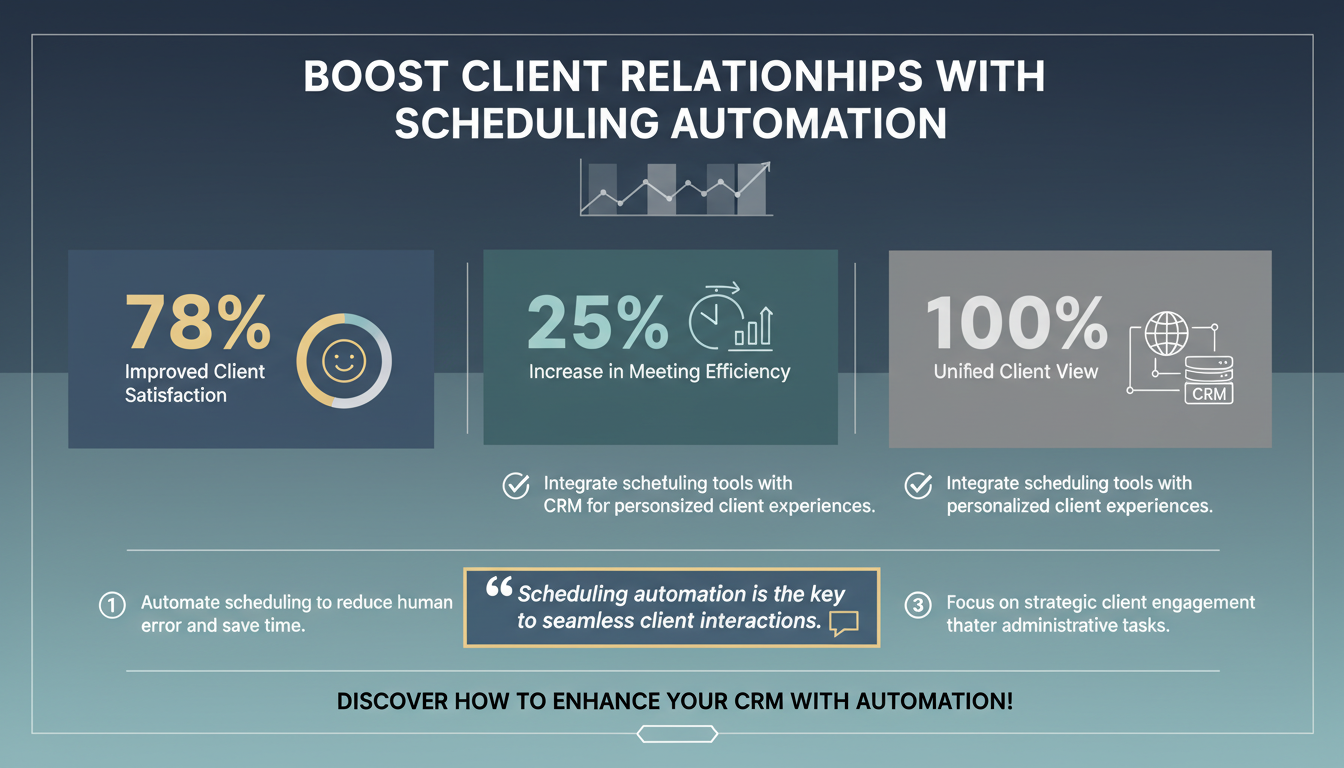
In today's fast-paced business environment, effective client relationship management (CRM) is crucial for maintaining a competitive advantage. As companies strive to enhance their client interactions, scheduling automation has emerged as a powerful tool to streamline processes and improve client relationships. According to Forrester's 2025 report, 78% of businesses leveraging scheduling automation reported improved client satisfaction and retention. This article will delve into the strategies and technologies that can be implemented to leverage scheduling automation effectively for robust client relationship management.
The Rising Importance of Scheduling Automation in CRM
Scheduling automation has become a cornerstone of modern CRM strategies. In a landscape where clients expect prompt and personalized service, automation enables businesses to respond swiftly and efficiently. Automating scheduling tasks not only saves time but also reduces the potential for human error, ensuring that client interactions are seamless and professional. The significance of automation is evident in the digital transformation era, where speed and accuracy are paramount.

Benefits of Reduced Human Error
One of the primary advantages of scheduling automation is the reduction in human error. Manual scheduling often leads to double bookings, missed meetings, and mismatched client details. Automation tools mitigate these risks by ensuring that all client interactions are scheduled accurately and consistently. This precision enhances the client's perception of the business as reliable and professional.
According to Gartner's recent study, companies that have adopted scheduling automation solutions have seen a 25% increase in meeting efficiency. By automating the scheduling process, businesses can focus on strategic activities that enhance client relationships rather than being bogged down by administrative tasks. For example, a company that previously spent hours manually scheduling client meetings can now allocate that time to developing personalized client engagement strategies.
Integration with CRM Systems
Moreover, automation tools can integrate with CRM systems to provide a unified view of client interactions. This integration allows for a more personalized client experience, as all relevant information is readily available to the team. For instance, Schedly offers comprehensive solutions that integrate seamlessly with existing CRM systems, enhancing productivity and client satisfaction. This seamless integration ensures that no client interaction goes unnoticed, facilitating a more cohesive client journey.
As we move forward, the importance of scheduling automation in CRM will only continue to grow. Businesses must adapt to these changes to remain competitive and deliver exceptional client experiences. The ability to swiftly adapt to client demands through automated solutions will define market leaders in the coming years.
Integrating Scheduling Automation with CRM Systems
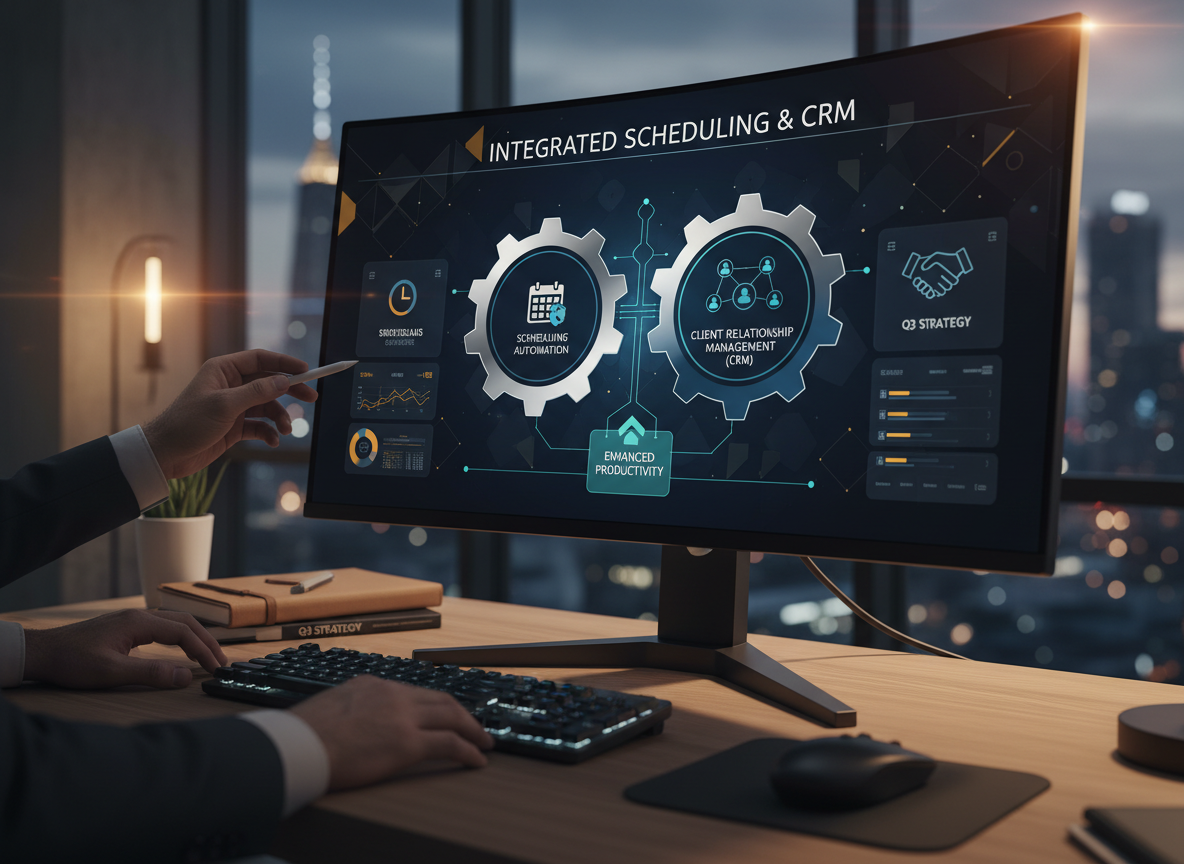
Integrating scheduling automation with CRM systems is a game-changer for businesses looking to enhance their client relationship management. This integration streamlines workflows and ensures that all client interactions are recorded and accessible in one place, providing a holistic view of client history and preferences. The seamless flow of data between scheduling tools and CRM systems eliminates silos, promoting a more collaborative approach to client management.
Streamlined Workflows and Improved Collaboration
By integrating scheduling automation with CRM systems, businesses can achieve streamlined workflows that reduce redundancy and improve collaboration across teams. This integration allows different departments to access the same client information, ensuring that everyone is on the same page regarding client interactions and preferences. This unified approach eliminates the potential for miscommunication and enhances the overall client experience.
According to McKinsey's insights on automation, companies that integrate their scheduling tools with CRM systems report a 30% reduction in scheduling conflicts and errors. This reduction is critical in maintaining positive client relationships, as it minimizes the risk of missed appointments and miscommunications. For instance, a well-integrated system can automatically adjust schedules in response to real-time changes, ensuring that clients are always aware of the latest updates.
Choosing the Right Tools for Integration
Implementing such integration involves selecting the right tools that offer compatibility with existing CRM systems. For instance, Schedly's platform is designed to integrate with popular CRM systems like Salesforce and Microsoft Dynamics, ensuring a seamless flow of information and enhanced client interaction. Businesses should consider factors such as scalability, user-friendliness, and support services when choosing an integration solution.
Ultimately, the integration of scheduling automation with CRM systems not only improves efficiency but also enhances the quality of client interactions, leading to stronger relationships and increased client loyalty. Investing in the right integration strategy can significantly impact a company's bottom line by attracting and retaining satisfied clients.
Enhancing Client Engagement through Personalized Scheduling
In an era where clients demand personalized experiences, scheduling automation provides the tools necessary to meet these expectations. Personalization is key to engaging clients and building long-term relationships, and automated scheduling tools can facilitate this by tailoring interactions to individual client needs and preferences. The ability to offer a bespoke experience sets businesses apart in a competitive marketplace.

Leveraging Client Data for Personalization
Effective personalization begins with understanding client data. Automated scheduling systems can analyze client data to suggest optimal meeting times, preferred communication channels, and personalized content, enhancing the overall client experience. For example, these systems can detect a client’s preferred video conferencing tool and schedule meetings accordingly, removing friction from the process.
Research from Salesforce's customer engagement report indicates that personalized client interactions can lead to a 20% increase in client satisfaction. Automated scheduling systems can analyze client data to suggest optimal meeting times, preferred communication channels, and personalized content, enhancing the overall client experience. For example, these systems can detect a client’s preferred video conferencing tool and schedule meetings accordingly, removing friction from the process.
Maintaining Engagement with Automated Reminders
Furthermore, these tools can send automated reminders and follow-ups, ensuring that clients are engaged throughout the relationship lifecycle. This level of personalization not only contributes to client satisfaction but also fosters trust and loyalty, setting the foundation for long-term partnerships. By anticipating client needs and preferences, businesses can demonstrate a commitment to their clients’ success.
By leveraging scheduling automation for personalization, businesses can transform their client interactions, making each engagement meaningful and relevant. This approach not only enhances immediate client satisfaction but also builds a brand reputation for exceptional service.
Streamlining Client Communication with Automated Scheduling
Effective communication is the cornerstone of successful client relationships. Scheduling automation tools can enhance communication by providing timely updates and reminders, reducing the likelihood of missed appointments and ensuring that clients are always informed. In an era where clients expect instant responses and updates, automation can significantly boost communication effectiveness.

Customization of Communication Channels
According to a study by Accenture, businesses that utilize automated scheduling tools experience a 35% improvement in client communication efficiency. Automated notifications can be customized to suit the client's preferred method of communication, whether it's via email, SMS, or within the CRM platform itself. This flexibility ensures that clients receive information in a format that they find most convenient, improving overall satisfaction.
These tools also enable clients to self-schedule appointments, granting them the flexibility to choose times that best fit their schedules. This autonomy not only improves client satisfaction but also reduces the administrative burden on staff, allowing them to focus on more strategic tasks. By empowering clients to manage their schedules, businesses can enhance the client experience while optimizing internal resources.
Ensuring Open Communication Channels
By streamlining communication through scheduling automation, businesses can ensure that they maintain open and effective channels with clients, enhancing the overall relationship and fostering trust. This streamlined approach not only improves current interactions but also lays the groundwork for future engagements.
Improving Client Retention with Automated Follow-Ups
Client retention is a critical aspect of successful business operations, and automated follow-ups play a vital role in this process. Scheduling automation tools can automatically send follow-ups after meetings or significant milestones, ensuring that clients feel valued and engaged. This consistent engagement is key to building long-term relationships and converting clients into advocates.
Personalized Follow-Up Strategies
As reported by Harvard Business Review, businesses that implement automated follow-up processes see a 40% increase in client retention rates. These tools can be programmed to send personalized messages that address specific client needs, demonstrating a company’s commitment to its clients. For instance, a follow-up email might include a summary of a recent discussion, action items, and a personalized thank-you note.
Automated follow-ups can also include feedback requests, providing valuable insights into client satisfaction and areas for improvement. By analyzing this feedback, businesses can refine their processes and enhance their offerings to better meet client needs. This iterative approach ensures that client feedback is acted upon, fostering a culture of continuous improvement.
Transforming Clients into Advocates
Through strategic use of automated follow-ups, businesses can not only retain clients but also convert them into advocates, promoting the brand and contributing to business growth. By consistently demonstrating value and engagement, companies can inspire loyalty and long-term commitment from their clients.
Implementing Scheduling Automation for High-Stakes Client Meetings
High-stakes client meetings require meticulous planning and execution to ensure success. Scheduling automation can play a crucial role in organizing these meetings by coordinating multiple calendars, sending timely reminders, and ensuring all necessary resources are prepared. When the stakes are high, precision and timing are everything.
Ensuring Precision and Preparedness
According to Bain & Company, businesses that utilize scheduling automation for high-stakes meetings report a 50% reduction in scheduling conflicts and preparation time. This efficiency allows teams to focus on delivering impactful presentations and fostering meaningful discussions. For example, an automated system can ensure that all participants receive the necessary pre-meeting materials well in advance, allowing them to prepare thoroughly.
Automation tools can also generate detailed agendas and provide real-time updates, ensuring that all participants are informed and aligned on meeting objectives. This level of organization is vital in high-stakes scenarios, where every detail matters. By ensuring that logistical details are managed seamlessly, companies can focus on the substance of the meeting, making a lasting impression on clients.
Focusing on Meeting Objectives
By leveraging scheduling automation, businesses can approach high-stakes meetings with confidence, knowing that logistical details are managed, allowing them to concentrate on achieving meeting goals and strengthening client relationships. This approach not only enhances the likelihood of a successful meeting but also builds trust with clients through demonstrated professionalism and preparedness.
Overcoming Common Challenges in Scheduling Automation
While scheduling automation offers numerous benefits, businesses may encounter challenges in its implementation and management. Understanding these challenges and how to overcome them is essential for successful automation adoption. By proactively addressing potential obstacles, companies can maximize automation's impact on client relationship management.
Integration and Compatibility Challenges
One common challenge is the integration of scheduling tools with existing systems. Ensuring compatibility and seamless data flow is crucial for maintaining efficiency. Consulting with solution providers like Schedly can help address these integration issues and ensure a smooth transition. Additionally, businesses should conduct a thorough needs assessment to understand what features are essential for their operations.
Another challenge is ensuring data security and compliance, especially when handling sensitive client information. Businesses must implement robust security measures and comply with regulations like GDPR to protect client data. PwC's GDPR compliance guide offers valuable insights into data protection strategies. Regularly updating security protocols and training employees on data privacy issues can help mitigate risks.
Proactive Strategies for Overcoming Challenges
By proactively addressing these challenges, businesses can maximize the benefits of scheduling automation, enhancing client relationship management and driving business success. An adaptive approach that anticipates and resolves issues will ensure a smoother automation journey and deliver better outcomes for both the business and its clients.
Measuring the Impact of Scheduling Automation on CRM
Measuring the impact of scheduling automation on CRM is crucial to understanding its effectiveness and identifying areas for improvement. Key performance indicators (KPIs) such as client satisfaction, retention rates, and meeting efficiency can provide valuable insights into the success of automation initiatives. Quantifying success through these metrics allows businesses to gauge the return on their investment in automation.
Tracking Key Performance Indicators
According to IDC's automation impact study, businesses that track automation KPIs report a 45% increase in CRM performance. Regularly reviewing these metrics allows businesses to refine their strategies and optimize their automation tools. For example, tracking the frequency and outcomes of client interactions can help identify areas for improvement, such as response times or personalization efforts.
Gathering Qualitative Feedback for Deeper Insights
In addition to quantitative metrics, gathering qualitative feedback from clients and employees can offer deeper insights into the client experience and highlight areas for enhancement. This feedback can guide future automation improvements and ensure alignment with client needs. Conducting regular surveys and focus groups can provide valuable insights into how clients perceive automated interactions.
By effectively measuring the impact of scheduling automation, businesses can ensure continuous improvement and sustained success in client relationship management. A data-driven approach enables companies to make informed decisions, adapt to changing client expectations, and maintain a competitive edge.
FAQs: Common Questions About Scheduling Automation and CRM
How does scheduling automation improve client relationship management?
Scheduling automation improves client relationship management by streamlining processes, reducing errors, and providing personalized client interactions. This leads to increased client satisfaction and retention. By automating routine tasks, businesses can focus on strategic activities that enhance client engagement.
What are the key benefits of integrating scheduling automation with CRM systems?
Integrating scheduling automation with CRM systems offers a unified view of client interactions, enhanced efficiency, and reduced scheduling conflicts, improving overall client relationship management. This integration ensures that all team members have access to the same information, promoting a consistent and informed approach to client interactions.
How can businesses overcome challenges in implementing scheduling automation?
Businesses can overcome challenges by ensuring tool compatibility, implementing robust data security measures, and seeking expert guidance from solution providers to ensure smooth integration. Additionally, businesses should invest in employee training to ensure that all users are comfortable with new systems and processes.
What KPIs should businesses track to measure the impact of scheduling automation?
Businesses should track KPIs such as client satisfaction, retention rates, and meeting efficiency to measure the impact of scheduling automation on client relationship management. These metrics provide a comprehensive view of how automation affects client interactions and business outcomes.
How does scheduling automation enhance communication with clients?
Scheduling automation enhances communication by providing timely updates and reminders, allowing clients to self-schedule, and ensuring that all interactions are personalized and efficient. This approach not only improves client satisfaction but also reduces the likelihood of miscommunications and scheduling errors.
As you implement these strategies, consider complementing your efforts with tools like Apparatuz, which specializes in workflow automation, and Applicantz, an applicant tracking and recruitment platform. Together, these approaches create a comprehensive solution for your business needs.
For more insights, visit our blog on leveraging scheduling automation for efficient client onboarding and explore our platform features to see how Schedly can enhance your client relationship management strategies.