
Schedly resources
How to Optimize Scheduling for Multi-Generational Teams: Strategies for Bridging Productivity Styles
In today’s workforce, organizations are increasingly composed of multi-generational teams spanning Baby Boomers, Generation X, Millennials, and Generation Z. Each generation brings unique strengths, preferences, and productivity styles, creating opportunities for innovation and resilience. However, this diversity also presents challenges, particularly in creating scheduling systems that align with varying expectations and work habits. How can leaders optimize scheduling for teams with different communication preferences, technology adoption rates, and working styles? This comprehensive guide explores actionable strategies to bridge productivity gaps and create scheduling systems that foster collaboration and efficiency across generations.
Understanding the Dynamics of Multi-Generational Teams
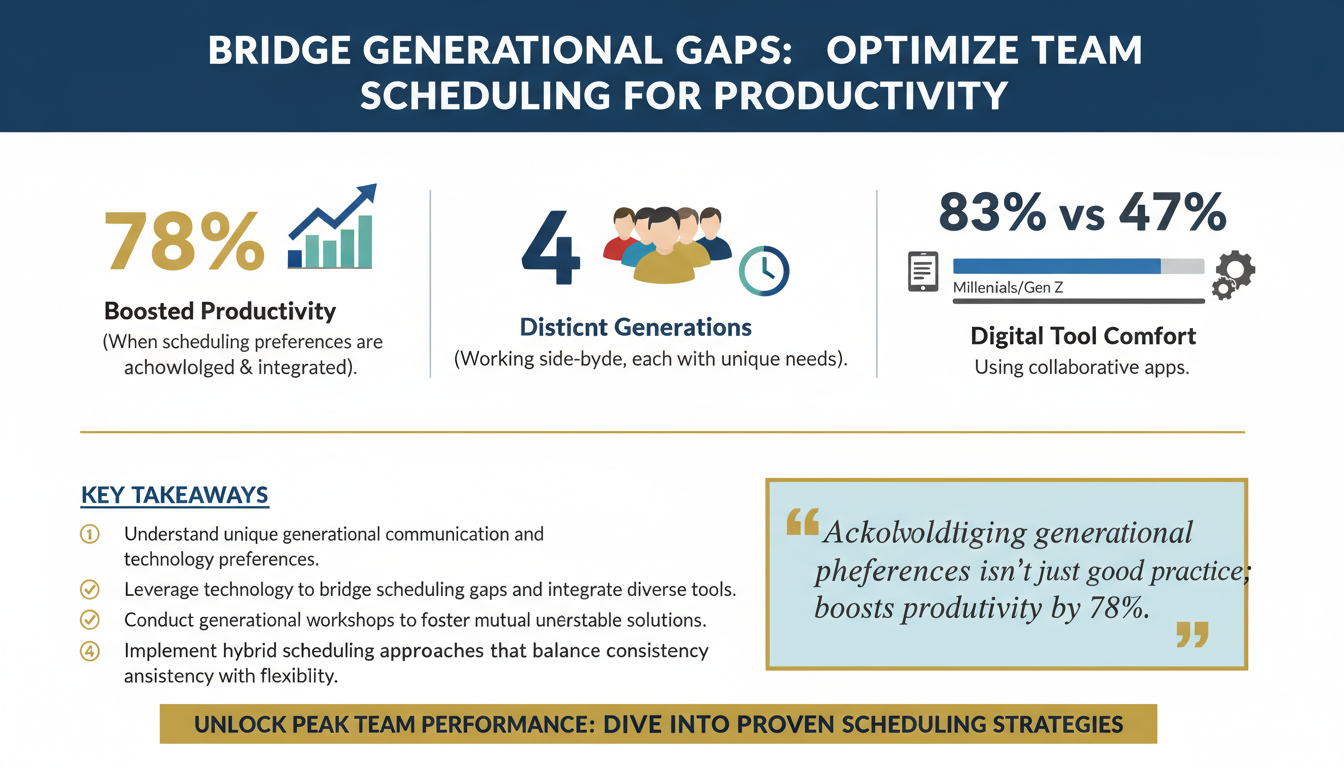
Multi-generational teams are the norm in modern workplaces, with up to four distinct generations working side by side. Each generation approaches work and scheduling differently, often shaped by the technologies and cultural norms they grew up with:

- Baby Boomers (1946–1964): Known for their preference for structured schedules and direct communication, Baby Boomers often favor face-to-face meetings and traditional tools like email and Outlook for scheduling.
- Generation X (1965–1980): This generation values flexibility and autonomy, often leaning toward asynchronous communication methods such as email. They appreciate tools that allow them to set their own pace.
- Millennials (1981–1996): Often referred to as the “digital natives,” Millennials thrive in dynamic, collaborative environments. They favor digital-first communication tools like Slack and Trello and enjoy adaptable workflows.
- Generation Z (1997–2012): The youngest generation in the workforce gravitates toward mobile-friendly, on-demand scheduling tools and instant communication platforms. They prefer apps that integrate seamlessly with their personal devices.
According to a Gallup survey conducted in 2025, 78% of employees reported improved productivity when their scheduling preferences were acknowledged and integrated into their workflows. Conversely, ignoring generational dynamics in scheduling can lead to increased disengagement, missed deadlines, and reduced overall efficiency.
The Role of Cultural and Technological Shifts
Generational preferences are deeply influenced by the cultural and technological contexts in which individuals grew up. Baby Boomers entered the workforce during a time when face-to-face interactions and hierarchical structures were the norm. On the other hand, Millennials and Gen Z have been shaped by the rapid rise of internet technologies, social media, and remote work trends, leading to greater reliance on digital tools for communication and scheduling.
For example, a study by Pew Research found that 83% of Millennials and Gen Z employees are comfortable using collaborative tools like Slack and Zoom, compared to 47% of Baby Boomers. These preferences not only affect team dynamics but also highlight the need for technology that bridges these gaps effectively.
Pro Tip: Conduct Generational Workshops
To better understand the dynamics within your team, consider conducting workshops where employees share their preferred communication and scheduling methods. This fosters mutual understanding and helps identify areas where compromise or adaptations are needed.
For example, a marketing agency that held generational workshops discovered that Baby Boomers valued consistency in meeting schedules, while Millennials preferred ad-hoc collaboration. As a result, they implemented a hybrid scheduling approach that combined standing weekly meetings with flexible collaboration blocks.
Identifying Productivity Gaps Across Generations
Productivity gaps in multi-generational teams often arise due to differences in communication styles, technology adoption, and work expectations. For instance, while Generation Z employees may be quick to schedule meetings via Slack or Zoom, Baby Boomers might prefer more formal Outlook calendar invites. Similarly, Millennials may thrive in frequent, short check-ins, while Generation X workers might find them disruptive to deep-focus tasks.
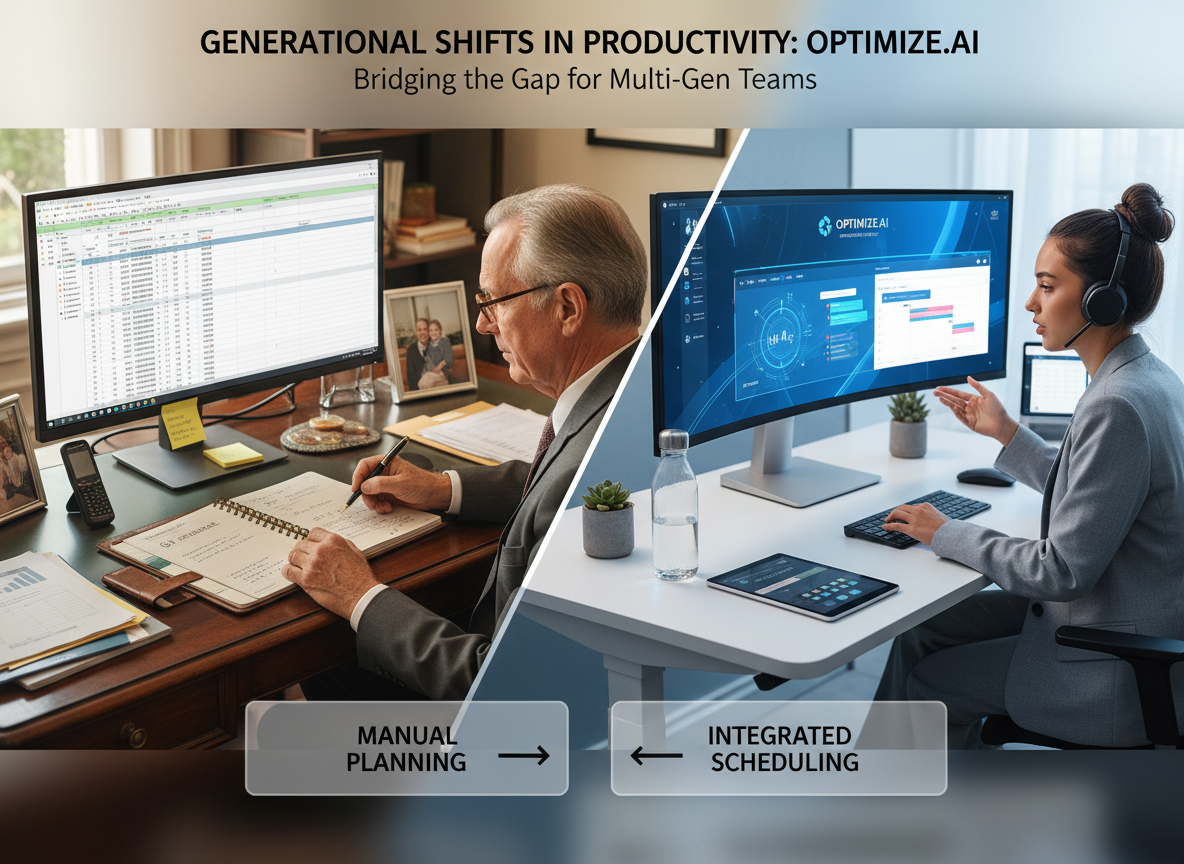
To effectively identify these gaps, organizations should start by gathering data. Employee surveys and focus groups can provide insights into generational preferences. For example, a survey might reveal that Baby Boomers find it challenging to adjust to mobile-first tools, while Millennials feel underutilized in rigid, hierarchical scheduling structures.
Using Metrics to Pinpoint Gaps
Quantitative data also plays a crucial role. According to a Deloitte study, 62% of companies that actively address generational productivity gaps report a 15% increase in team efficiency within six months. Tools like scheduling analytics platforms can track meeting attendance, response times, and scheduling conflicts, offering valuable metrics to pinpoint trouble areas. For instance, you might discover that Generation Z employees frequently miss early-morning meetings, indicating a need for more flexible start times.
To illustrate, a logistics company used analytics to track tardiness to meetings and found that their younger employees often struggled with rigid 8:00 AM start times. By shifting meetings to 10:00 AM and introducing a core-hours policy, they reduced tardiness by 40%.
Expert Insight: The Importance of Feedback Loops
Creating an open feedback loop is critical when identifying productivity gaps. Encourage employees to share their experiences with current scheduling practices through regular check-ins or anonymous surveys. This ensures that you’re not just relying on data, but also on real-world experiences to inform changes.
For example, a tech startup implemented monthly feedback sessions focused on scheduling. They discovered that Generation X employees felt excluded from decision-making processes due to the overuse of instant messaging apps. By introducing a balanced approach that included email summaries and formal decision-making meetings, the company improved team alignment.
Leveraging Scheduling Tools to Bridge Generational Differences
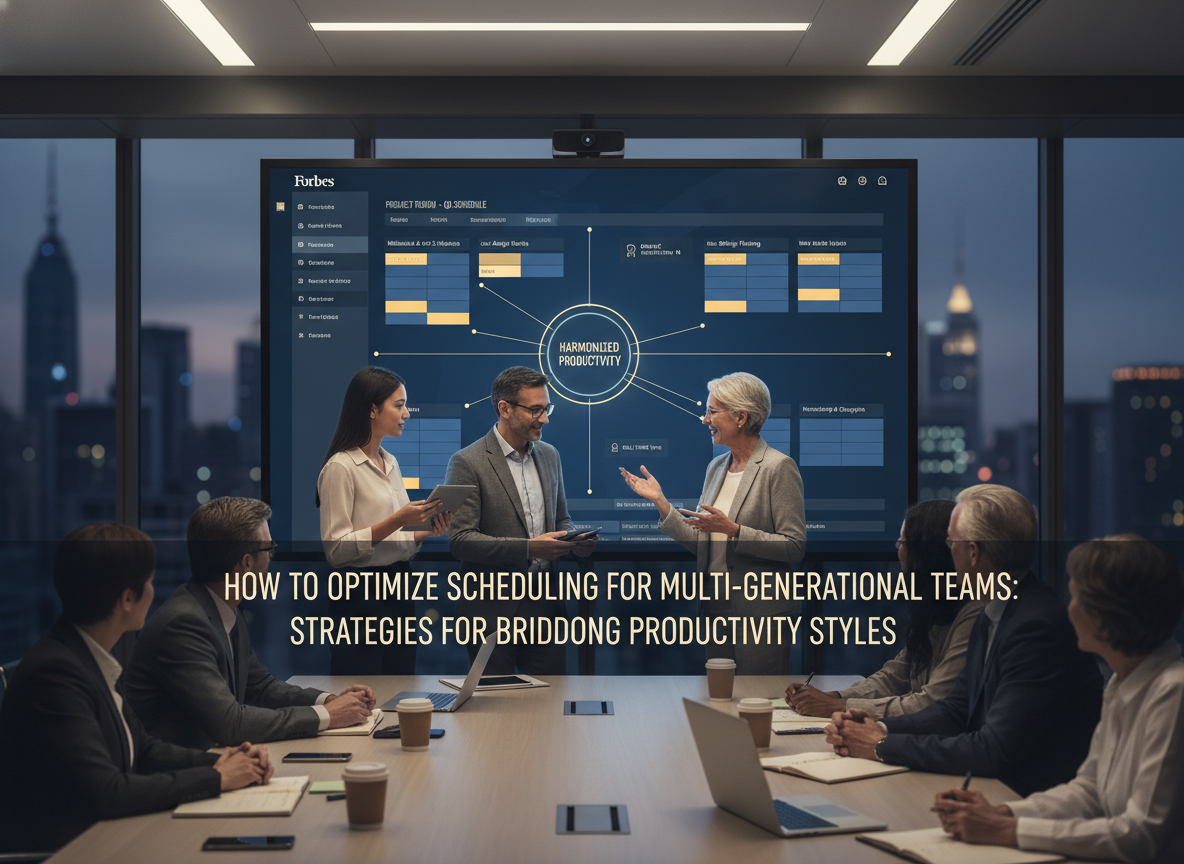
Technology can act as a bridge to harmonize the diverse scheduling needs of multi-generational teams. Modern scheduling platforms like Schedly and Calendly offer features that cater to various preferences, ensuring inclusivity and efficiency. Here’s how these tools can help:
- Mobile Accessibility: Younger generations, particularly Millennials and Gen Z, prefer mobile-friendly apps that allow them to manage schedules on the go. Tools with responsive designs and mobile apps ensure ease of use for these employees.
- Integration with Legacy Systems: Baby Boomers and Generation X often rely on traditional tools like Outlook. Scheduling platforms that integrate with these systems make it easier for older employees to transition without feeling alienated.
- Collaborative Features: Millennials enjoy tools that foster collaboration, such as shared calendars, real-time updates, and task assignment features. Platforms that include team dashboards and project timelines can enhance teamwork.
- Custom Notifications: Customizable notifications allow employees to receive updates in their preferred format—whether via email, text, or app notifications. This feature can help bridge communication gaps across generations.
Step-by-Step: Implementing Scheduling Tools
- Assess Team Needs: Conduct surveys or interviews to understand what features are most important to your team members.
- Choose the Right Platform: Evaluate tools based on their compatibility with your team’s needs, focusing on features like integrations, mobile accessibility, and customization.
- Roll Out Gradually: Start with a pilot program involving representatives from each generation to test the tool and gather feedback.
- Provide Training: Offer generationally specific training sessions to ensure all team members feel confident using the new system.
- Monitor and Adjust: Use analytics and feedback to refine the scheduling system over time.
For example, a financial services firm that implemented a unified scheduling platform achieved a 94% adoption rate within three months by following this step-by-step process.
Creating a Scheduling Framework for Multi-Generational Teams
To streamline scheduling for diverse teams, organizations need a structured framework that accommodates different generational needs while promoting efficiency. The proprietary “CONNECT Framework” is a robust model designed for this purpose:
- Collaborate: Involve team members from all generations in co-creating scheduling norms to ensure buy-in and inclusivity.
- Optimize: Leverage data-driven tools to identify productivity gaps and tailor scheduling practices accordingly.
- Normalize: Establish clear, consistent scheduling guidelines that align with generational preferences and organizational goals.
- Navigate: Provide comprehensive training to ensure all team members can effectively use new scheduling tools and systems.
- Evaluate: Regularly assess scheduling practices through surveys, focus groups, and analytics to identify areas for improvement.
- Communicate: Maintain transparency about scheduling policies and encourage open dialogue for feedback and suggestions.
- Tailor: Customize schedules to balance individual preferences with team productivity needs, such as offering flexible start times or hybrid work options.
Checklist: Building the CONNECT Framework
- Identify key stakeholders from each generation to join the planning process.
- Gather data on current scheduling challenges through surveys and analytics.
- Develop clear scheduling guidelines that balance flexibility and structure.
- Provide tailored training and onboarding for new tools.
- Establish regular review cycles to assess the effectiveness of scheduling practices.
Implementing the CONNECT Framework can lead to significant improvements in scheduling efficiency and employee satisfaction. For instance, a manufacturing company that adopted this framework saw a 30% decrease in missed deadlines and a 20% increase in employee morale within six months.
Training Teams to Adapt to Multi-Generational Scheduling
Effective training is critical when introducing new scheduling systems to multi-generational teams. Each generation has unique learning preferences, and tailoring training programs accordingly can facilitate smoother adoption:
- Baby Boomers: Offer hands-on workshops and provide printed manuals for reference. They may appreciate step-by-step walkthroughs and live demonstrations.
- Generation X: Provide self-paced e-learning modules that allow them to explore new tools independently. Supplement these with optional Q&A sessions.
- Millennials and Generation Z: Use interactive webinars, gamified training platforms, and video tutorials to engage these tech-savvy generations.
McKinsey’s 2025 workforce report found that companies investing in tailored training programs for new technologies saw a 36% higher adoption rate among employees. Additionally, offering ongoing support, such as help desks and mentorship programs, can address any lingering concerns or challenges.
For example, a retail organization introducing a mobile scheduling app provided separate training sessions for each generation. Baby Boomers attended in-person workshops, while Millennials and Gen Z participated in gamified online training. The result? A 95% satisfaction rate with the new system within two months.
Managing Resistance to Scheduling Changes
Resistance to change is a natural part of any organizational transition, particularly when it involves new technologies or processes. Each generation may have different reasons for resisting scheduling changes. For instance, Baby Boomers might struggle to abandon legacy systems, while younger employees may find traditional methods too restrictive. Here are strategies to manage resistance effectively:
- Communicate Benefits: Clearly articulate how the new system will improve efficiency, reduce conflicts, and make everyone’s work life easier.
- Involve Early Adopters: Recruit champions from each generation to test and advocate for the new system. Their endorsement can help build trust and enthusiasm.
- Provide Support: Offer resources like training sessions, user guides, and dedicated support channels to address concerns promptly.
Forrester’s research on change management found that transparent communication reduces resistance by up to 40%. Additionally, pilot programs can serve as a low-risk way to demonstrate the system’s benefits before full-scale implementation.
Measuring the Impact of Scheduling Optimization
To ensure the success of scheduling optimization efforts, organizations must measure their impact using key performance indicators (KPIs). Common metrics include:
- Scheduling Accuracy: Track the reduction in double bookings or missed meetings.
- Employee Satisfaction: Use surveys to gauge how comfortable employees are with the new scheduling system.
- Productivity Metrics: Monitor project completion rates, turnaround times, and overall team output.
According to Harvard Business Review, companies that use KPIs to assess scheduling systems report a 28% improvement in team collaboration. Regularly reviewing these metrics and refining scheduling practices based on feedback ensures continuous improvement.
FAQs: Common Questions About Multi-Generational Scheduling
- How do I address resistance from older employees? Invest in personalized training programs and emphasize the benefits of new systems.
- What tools work best for multi-generational teams? Platforms like Schedly offer customizable features that accommodate diverse needs.
- How can I balance individual preferences with team goals? Use hybrid scheduling methods that combine flexibility with structure.
- What’s the best way to measure success? Track KPIs like scheduling accuracy, employee satisfaction, and productivity gains.
Conclusion: Creating a Unified Scheduling Approach
Optimizing scheduling for multi-generational teams is a complex but rewarding endeavor. By understanding generational dynamics, leveraging the right technologies, and implementing structured frameworks like CONNECT, organizations can bridge productivity gaps and foster collaboration. Success requires ongoing effort, including training, communication, and regular evaluation, but the results—improved efficiency, higher employee engagement, and enhanced team collaboration—are well worth it.
As you implement these strategies, consider utilizing tools like Schedly’s workflow automation features or exploring solutions such as Apparatuz for workflow optimization. Together, these approaches can help you create seamless, inclusive scheduling systems that drive success for your multi-generational team.