
Schedly resources
How to Use Scheduling Automation to Enhance Team Accountability and Reduce Missed Deadlines
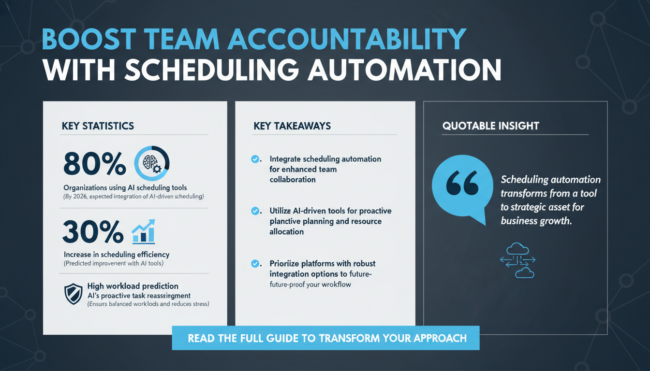
In today's fast-paced business environment, the ability to manage time effectively is crucial for any organization aiming to maintain a competitive edge. Scheduling automation has emerged as a game-changing tool, providing a powerful solution to streamline operations, enhance team accountability, and significantly reduce missed deadlines. This comprehensive guide delves into the strategic use of scheduling automation, offering insights into how it can transform your team's productivity and efficiency. By understanding the evolution of these tools, the role of team accountability, and the impact of automation on deadlines, businesses can unlock unprecedented levels of operational excellence.
The Evolution of Scheduling Automation
Scheduling automation has evolved significantly from its origins as basic calendar management tools. Initially, these tools were limited to setting reminders and managing appointments. However, the landscape has dramatically transformed over the years. By 2026, scheduling automation has become an integral part of workflow management, offering a suite of features that align with the dynamic needs of modern businesses.
The advancement in artificial intelligence (AI) and machine learning (ML) has played a pivotal role in this evolution. According to a Gartner report, by the end of 2026, over 80% of organizations will have integrated AI-driven scheduling tools, leading to a 30% increase in scheduling efficiency. These tools are designed to not only automate repetitive tasks but also provide predictive analytics that help in decision-making.
These AI-driven platforms can forecast scheduling conflicts before they arise, allowing managers to preemptively adjust timelines and resource allocations. For instance, if an employee's workload is predicted to be high, the system can automatically reassign tasks to ensure balanced workloads, thereby reducing stress and improving overall team performance.
AI and Predictive Analytics in Scheduling
AI and predictive analytics bring a new dimension to scheduling by analyzing patterns and predicting future needs. For example, AI can analyze historical project data to predict the likelihood of a project meeting its deadline, thereby allowing managers to make informed decisions. This predictive capability can help in proactive planning and resource allocation, ultimately enhancing efficiency.
Moreover, the flexibility of these platforms allows for seamless integration with existing systems, such as CRM and ERP, enabling businesses to centralize their operations and enhance team collaboration. This integration capability is essential for maintaining a cohesive workflow across different departments, thereby reducing the likelihood of errors and delays. By centralizing scheduling data, businesses can harness the power of big data analytics to draw insights into optimizing team performance and resource management.
As we look at the future of scheduling automation, it's clear that its role will not be limited to administrative functions. Instead, it will become a strategic asset that empowers teams to focus on high-value tasks, thereby driving overall business growth. Automation will shift from being a mere tool to an integral component of strategic planning, providing insights that guide business decisions and long-term planning.
Integration and Scalability
Integration with existing systems is crucial for ensuring that scheduling automation fits seamlessly into business operations. Many platforms offer APIs that allow for custom integrations with tools that companies already use, such as Slack or Microsoft Teams. This not only helps in maintaining existing workflows but also enhances them by adding automation capabilities.
Pro Tip: When choosing a scheduling automation tool, prioritize those that offer robust integration options. This will ensure that the tool can grow with your organization and adapt to changing needs without requiring a complete overhaul of your systems.
Key Takeaways:
- Scheduling automation has evolved significantly with AI and ML advancements.
- Integration with CRM and ERP systems enhances team collaboration.
- Automation is becoming a strategic asset for business growth.
Understanding Team Accountability
Team accountability is a critical component of any successful organization. It involves ensuring that every team member is responsible for their tasks and contributes effectively to the team's objectives. However, maintaining accountability can be challenging, especially in larger teams or remote work environments.
Scheduling automation can play a pivotal role in fostering accountability. By providing clear visibility into each team member's tasks and deadlines, it enables managers and team leaders to track progress in real-time. For example, tools like Schedly offer dashboards that display individual and team schedules, making it easy to identify potential bottlenecks and address them proactively.
According to a study by McKinsey, teams that leverage scheduling automation report a 25% increase in task accountability. This is primarily because these tools eliminate ambiguity and ensure that everyone is aware of their responsibilities and deadlines.
Real-Time Tracking and Reporting
Real-time tracking and reporting capabilities are crucial for maintaining accountability. These features allow managers to see which tasks are on schedule and which are falling behind, enabling them to take corrective action sooner rather than later. For instance, if a project is lagging, managers can reallocate resources or adjust priorities to get back on track.
Moreover, automated reminders and notifications help keep team members on track, reducing the likelihood of missed deadlines. By providing a structured framework for managing tasks, scheduling automation also enables teams to work more efficiently, ultimately enhancing overall productivity. Additionally, these systems can generate performance reports that offer insights into individual and team productivity, helping to identify high performers and those who may need additional support or training.
Expert Insight: Implementing weekly or bi-weekly reviews using data from scheduling automation tools can help teams stay aligned and accountable. These reviews can be used to celebrate successes and identify areas for improvement, fostering a culture of continuous improvement.
Key Takeaways:
- Team accountability is enhanced through clear task visibility and tracking.
- Automation tools provide real-time progress tracking and notifications.
- Structured task management leads to increased productivity.
Reducing Missed Deadlines with Automation
Missed deadlines can have a significant impact on business operations, leading to financial losses and reputational damage. Scheduling automation offers a robust solution to mitigate this risk by providing tools that ensure tasks are completed on time.
One of the primary benefits of scheduling automation is its ability to automate reminders and notifications. According to Forrester, companies that implement automated reminders see a 40% reduction in missed deadlines. These reminders ensure that team members are constantly aware of upcoming tasks and deadlines, enabling them to prioritize their workload effectively.
Efficient Resource Allocation
Efficient resource allocation is another critical benefit of scheduling automation. By analyzing past performance data, these tools can predict potential bottlenecks and recommend adjustments to schedules and resource allocation. This proactive approach helps prevent delays and ensures that projects are completed on time. For instance, if a project phase is lagging, the system can suggest reallocating resources or adjusting timelines to stay on track.
Additionally, scheduling automation enables better communication and collaboration among team members. By providing a centralized platform for managing tasks, it ensures that everyone is on the same page, reducing the likelihood of miscommunication and errors. Enhanced communication tools within these platforms allow for quick updates and feedback, fostering a culture of transparency and collaboration.
Pro Tip: Use the analytics features of scheduling automation tools to regularly review resource allocation and make data-driven decisions. This will help ensure that resources are being used efficiently and effectively, minimizing the risk of missed deadlines.
Key Takeaways:
- Automated reminders reduce missed deadlines by 40%.
- Resource allocation is optimized through predictive analytics.
- Centralized task management enhances communication and collaboration.
Implementing Scheduling Automation in Your Organization
Implementing scheduling automation requires careful planning and execution. It's essential to choose the right tools that align with your organization's needs and integrate them seamlessly into your existing workflows.
The first step is to identify the key areas where scheduling automation can add value. This might include automating repetitive tasks, managing complex schedules, or improving team communication. Once these areas are identified, you can evaluate different tools and choose one that best fits your requirements.
Phased Implementation Approach
According to Harvard Business Review, successful implementation of scheduling automation involves a phased approach. This includes a pilot phase to test the tool's effectiveness, followed by a full-scale rollout. During the pilot phase, it's crucial to gather feedback from users and make necessary adjustments to ensure a smooth transition.
Training and support are also critical components of a successful implementation. Providing comprehensive training to your team ensures that they understand how to use the tools effectively, maximizing their potential benefits. Additionally, ongoing support helps address any issues that may arise during the transition period. A dedicated support team can provide real-time assistance and training updates, ensuring that the tools are used to their full potential.
Expert Insight: Consider appointing "automation champions" within your team who can provide peer support and act as a bridge between the team and the IT department. This can help address any concerns quickly and ensure that the implementation is successful.
Key Takeaways:
- Identify key areas where automation can add value.
- Implement a phased approach with pilot testing and feedback.
- Provide comprehensive training and support for successful adoption.
Proprietary Framework: The Schedly Success System
To maximize the benefits of scheduling automation, we introduce the Schedly Success System—a proprietary framework designed to streamline the implementation and optimization of scheduling tools within your organization.
The Schedly Success System consists of four key stages:
- Assessment: Evaluate your current scheduling processes and identify areas for improvement. Conducting a thorough analysis helps pinpoint inefficiencies and opportunities for automation.
- Selection: Choose the right scheduling automation tools that align with your business needs. Consider factors such as ease of use, integration capabilities, and scalability.
- Implementation: Roll out the tools using a phased approach, starting with a pilot phase. This allows for testing and adjustment before a full-scale implementation.
- Optimization: Continuously monitor and optimize the tools to ensure maximum efficiency. Regularly update the tools and processes based on feedback and performance metrics.
This framework provides a structured approach to implementing scheduling automation, ensuring that you achieve the maximum return on investment. By following these stages, you can streamline your operations, enhance team accountability, and reduce missed deadlines effectively.
Continuous Improvement and Innovation
Moreover, the Schedly Success System emphasizes the importance of continuous optimization. By regularly reviewing your scheduling processes and making necessary adjustments, you can ensure that your organization remains agile and responsive to changing business needs. This proactive approach not only maintains efficiency but also uncovers new opportunities for process improvements and innovations.
Pro Tip: Set up regular review meetings to assess the effectiveness of your scheduling automation tools. Use these meetings to gather feedback, discuss challenges, and brainstorm solutions, ensuring that your processes remain cutting-edge.
Key Takeaways:
- The Schedly Success System is a four-stage framework for successful implementation.
- Continuous optimization is key to maintaining efficiency.
- Structured implementation leads to maximum ROI.
Common Mistakes and How to Avoid Them
While scheduling automation offers numerous benefits, there are common pitfalls that organizations must be aware of to ensure successful implementation. One of the most frequent mistakes is choosing tools that do not align with the organization's specific needs. It's essential to conduct thorough research and select tools that offer the features and integrations that are most relevant to your business processes.
Another common mistake is neglecting the importance of training. As noted by Deloitte Insights, without adequate training, employees may struggle to utilize the tools effectively, leading to underperformance and frustration.
Regular Monitoring and Feedback
Additionally, failing to continuously monitor and optimize the tools can lead to inefficiencies over time. Regular reviews and updates are necessary to ensure that the tools remain aligned with your evolving business needs. Performance metrics should be regularly analyzed to identify areas for improvement and to ensure that the tools are being used to their full potential.
To avoid these mistakes, organizations should adopt a proactive approach, involving stakeholders in the decision-making process and providing comprehensive training and support. This ensures that everyone is on board and equipped with the knowledge needed to leverage scheduling automation effectively. Furthermore, establishing a feedback loop where employees can share their experiences and suggestions can lead to continuous improvements and innovations in the scheduling process.
Expert Insight: Encourage a culture of feedback and open communication to promptly identify issues and implement solutions. This approach not only improves the automation process but also enhances team morale and engagement.
Key Takeaways:
- Choose tools that align with your specific business needs.
- Provide adequate training to maximize tool utilization.
- Regularly monitor and optimize tools to maintain efficiency.
Real-World Examples of Successful Implementation
To illustrate the impact of scheduling automation, let's explore some real-world examples of organizations that have successfully implemented these tools to enhance team accountability and reduce missed deadlines.
One notable example is a technology company that integrated scheduling automation into their project management workflows. By doing so, they achieved a 35% reduction in project completion times and a 20% increase in team accountability. This was primarily due to the enhanced visibility and real-time progress tracking provided by the automation tools.
Case Study: Healthcare Industry
Another example is a healthcare organization that used scheduling automation to manage complex staff schedules. By automating the scheduling process, they were able to reduce scheduling conflicts by 50% and improve staff productivity by 15%. This was achieved by utilizing predictive analytics to foresee staffing needs and adjust schedules accordingly.
These examples highlight the transformative power of scheduling automation when implemented effectively. By providing teams with the tools they need to manage their tasks efficiently, organizations can achieve significant improvements in performance and productivity. The common thread in these success stories is the ability of automation tools to adapt to the unique challenges of each organization, providing tailored solutions that drive efficiency and accountability.
Pro Tip: Conduct a post-implementation review to assess the impact of scheduling automation on your organization. Use the insights gained to refine processes and share success stories to encourage further adoption across teams.
Key Takeaways:
- Successful implementation leads to reduced project completion times.
- Enhanced visibility improves team accountability.
- Automation reduces scheduling conflicts and boosts productivity.
Frequently Asked Questions
What is scheduling automation?
Scheduling automation involves using software tools to automate the process of scheduling tasks, appointments, and resources. These tools offer features such as automated reminders, real-time progress tracking, and integration with other business systems. By reducing manual scheduling efforts, teams can focus on more strategic tasks, contributing to overall productivity.
How does scheduling automation enhance team accountability?
Scheduling automation enhances team accountability by providing visibility into individual and team tasks, enabling managers to track progress and address potential bottlenecks proactively. The transparency offered by these tools ensures that everyone is aware of their responsibilities and deadlines, fostering a culture of accountability and ownership.
Can scheduling automation help reduce missed deadlines?
Yes, scheduling automation can significantly reduce missed deadlines by automating reminders and notifications, ensuring that team members are aware of upcoming tasks and deadlines. The predictive analytics capabilities also help in identifying potential delays and suggesting proactive measures to keep projects on track.
What are some common mistakes to avoid when implementing scheduling automation?
Common mistakes include choosing tools that don't align with business needs, neglecting training, and failing to continuously monitor and optimize the tools. It's vital to ensure that the selected tools integrate well with existing systems and that employees are adequately trained to use them effectively.
How can I ensure successful implementation of scheduling automation?
Successful implementation involves choosing the right tools, providing comprehensive training, and adopting a phased approach with pilot testing and feedback. Engaging stakeholders in the process and continuously optimizing the tools based on user feedback and performance data are also crucial steps.
Conclusion and Next Steps
Scheduling automation is revolutionizing the way teams manage their tasks and deadlines. By enhancing team accountability and reducing missed deadlines, these tools empower organizations to achieve greater productivity and efficiency. Implementing scheduling automation effectively requires careful planning, selection of the right tools, and continuous optimization to align with evolving business needs.
As you explore the benefits of scheduling automation, consider complementing your efforts with other productivity-enhancing tools like Apparatuz, a workflow automation platform, and Applicantz, an applicant tracking and recruitment platform. Additionally, tools like Supportly, a customer support platform, and Zatisfied, a customer satisfaction management platform, can further enhance your team's capabilities. Lastly, Zignature provides e-signature solutions to streamline document management.
For more insights on scheduling automation, visit our blog and explore our platform features to learn how Schedly can help your organization thrive.