
Schedly resources
Leveraging Scheduling Automation to Enhance Client Engagement and Retention
Introduction: The Rise of Scheduling Automation
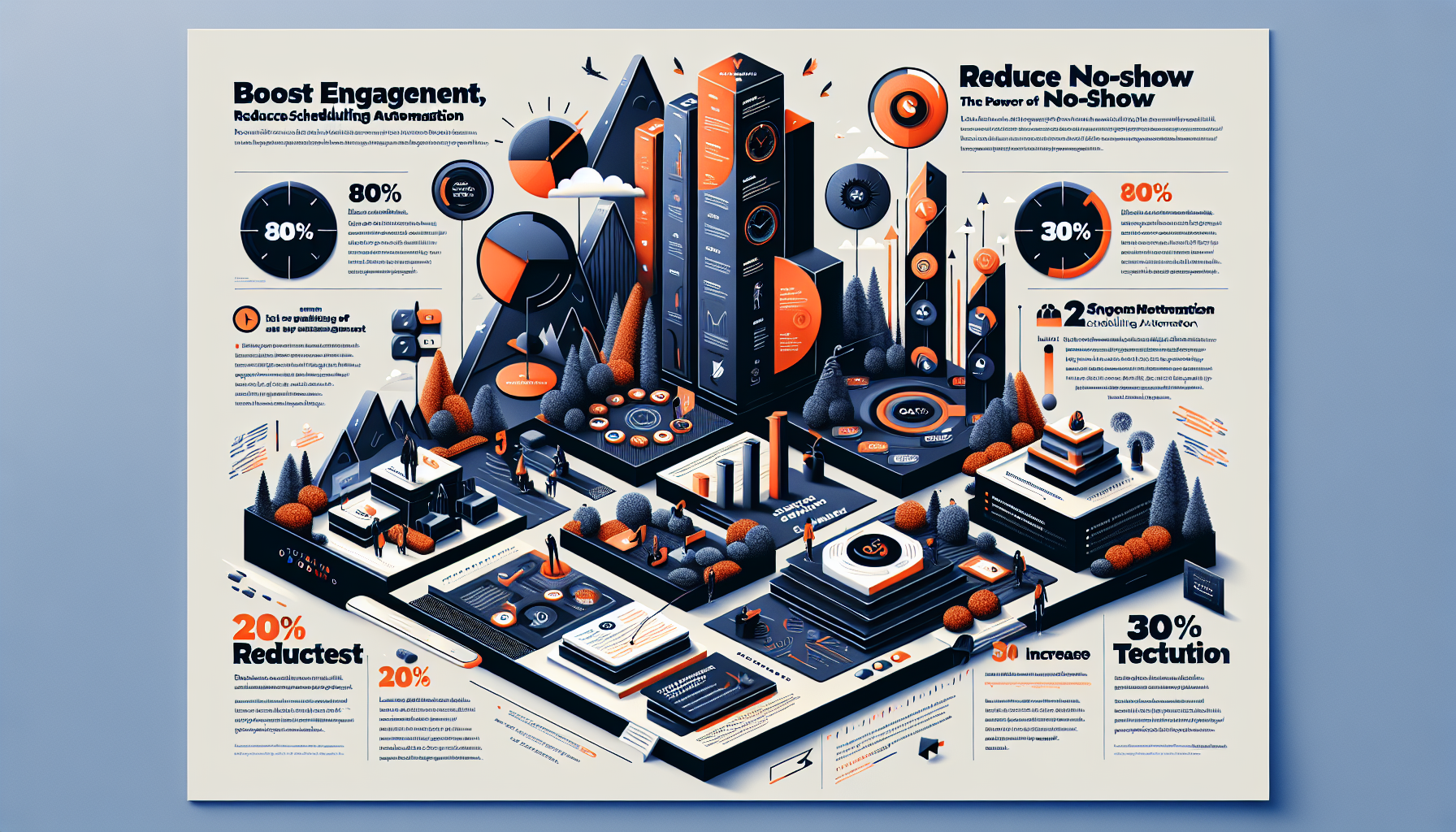
In an era characterized by rapid technological advancements and heightened competition, efficiency and precision are more crucial than ever in business operations. Scheduling automation has emerged as a transformative force, offering businesses the ability to streamline operations while enhancing client engagement. As organizations strive to foster deeper connections with their clients, automated scheduling tools are becoming indispensable. A Gartner report suggests that by 2026, 80% of businesses will have adopted scheduling automation, underscoring its growing importance in the corporate landscape.

Automation not only simplifies the scheduling process but also significantly reduces human error and liberates valuable time for client-facing activities. By eliminating the tedious back-and-forth typically associated with setting appointments, businesses can concentrate on delivering exceptional services and cultivating stronger client relationships. As the competitive landscape intensifies, leveraging technology to create seamless and personalized client experiences is no longer a luxury but a necessity for survival and growth.
Throughout this article, we will explore the multifaceted nature of scheduling automation, from its core benefits to effective implementation strategies that maximize client engagement and retention. We will also introduce a proprietary framework, the 'Schedly Engagement Model', which provides a step-by-step approach to integrating these tools into your business processes. Additionally, we will offer actionable checklists, highlight common pitfalls, and provide expert insights to help you navigate the complexities of scheduling automation. This comprehensive guide aims to equip you with the knowledge needed to harness the full potential of scheduling automation in your business operations.
Understanding the Benefits of Scheduling Automation
Scheduling automation presents a plethora of benefits that can significantly boost client engagement. At its core, it simplifies the appointment booking process, making it easier for clients to interact with your business. This convenience can lead to heightened satisfaction and loyalty, as clients appreciate the ease of doing business with a technologically adept organization.
24/7 Accessibility
One of the most significant advantages of scheduling automation is its ability to offer clients 24/7 accessibility. According to Forbes, businesses that provide round-the-clock scheduling options experience a 20% increase in client engagement. This level of accessibility ensures that clients can book appointments at their convenience, free from the constraints of traditional office hours, which can be a critical differentiator in today's on-demand economy. This accessibility is particularly beneficial for global businesses with clients across different time zones, as it eliminates the barriers of geographical and temporal constraints.
Reduction in No-shows
Moreover, automated scheduling tools often feature reminders and confirmations, which can reduce no-show rates by up to 30%, as reported by McKinsey. By minimizing missed appointments, businesses can optimize their resources and improve operational efficiency, leading to cost savings and increased profitability. For example, a healthcare provider can use automated reminders to ensure patients attend their appointments, thereby maximizing the utilization of medical staff and resources.
Data-Driven Insights
Another pivotal benefit of scheduling automation is the capability for data collection and analysis. Automated tools can track client behaviors and preferences, allowing businesses to personalize their services and tailor offerings to meet specific needs. This data-driven approach not only enhances client satisfaction but also provides invaluable insights for strategic decision-making, enabling businesses to anticipate client needs and stay ahead of market trends. For instance, a salon can analyze booking patterns to identify peak times and offer promotions or additional services during off-peak hours to balance demand.
In summary, scheduling automation enhances client engagement by providing convenience, reducing no-shows, and offering valuable data insights. As businesses increasingly adopt these tools, understanding their benefits is crucial to leveraging them effectively.
Implementing the Schedly Engagement Model
To fully harness the power of scheduling automation, businesses can implement the 'Schedly Engagement Model', a proprietary framework designed to maximize client engagement and retention. This model comprises four key stages: Integration, Customization, Communication, and Optimization.

Stage 1: Integration
Integration involves incorporating scheduling automation tools into your existing systems and workflows. This step requires careful planning to ensure seamless integration and minimal disruption to daily operations. It's essential to select a tool that aligns with your business needs and supports integration with other platforms, such as CRM systems and email marketing tools, to create a cohesive digital ecosystem. For instance, integrating a scheduling tool with a CRM can provide a holistic view of client interactions and history, aiding in more personalized service delivery.
Stage 2: Customization
Customization focuses on tailoring the scheduling experience to meet the specific needs of your clients. This can include setting up various appointment types, customizing booking forms, and creating personalized communication templates. Customization enhances the client experience by making it more relevant and engaging. For instance, a financial advisor can personalize scheduling options to offer consultations based on a client's investment portfolio size and financial goals, thereby providing a more tailored service.
Stage 3: Communication
Communication emphasizes the importance of clear and consistent communication with clients. Automated notifications, reminders, and follow-ups ensure that clients are informed and engaged throughout the scheduling process. Effective communication can strengthen client relationships and build trust, which is foundational to client retention and loyalty. Businesses should consider incorporating multiple communication channels, such as SMS and email, to ensure messages reach clients in their preferred format.
Stage 4: Optimization
Optimization involves analyzing data collected through scheduling tools to identify areas for improvement. By monitoring key metrics, such as booking rates, client feedback, and conversion rates, businesses can refine their processes and enhance the overall client experience. For example, if data shows a high cancellation rate for certain appointment types, businesses can investigate potential causes and adjust their offerings accordingly. Regularly reviewing and updating scheduling processes based on data insights ensures continuous improvement and adaptation to changing client needs.
Implementing the Schedly Engagement Model can lead to significant improvements in client engagement and retention. By following these stages, businesses can create a seamless and personalized scheduling experience that resonates with clients, ultimately driving business growth.
Enhancing Client Engagement through Personalization
Personalization is a powerful strategy for enhancing client engagement, and scheduling automation provides the perfect platform to implement it. By leveraging client data, businesses can create tailored experiences that meet individual preferences and needs, fostering a deeper connection with their clientele.

Seamless Client Segmentation
Automated scheduling tools empower businesses to segment their client base and offer customized services. For example, a healthcare provider can use scheduling automation to offer different appointment types based on patient history and preferences, such as follow-up visits for chronic conditions or wellness appointments for new patients. This level of personalization can lead to higher client satisfaction and increased loyalty, as clients feel understood and valued.
Impact of Personalization
A Boston Consulting Group study found that personalization can increase engagement rates by up to 300%. By offering personalized scheduling options, businesses can differentiate themselves from competitors and create lasting impressions on clients, ultimately translating into sustained business success. Personalized experiences make clients feel special and appreciated, enhancing their overall experience and willingness to engage with the business.
Beyond Booking: Personalizing Communication
Furthermore, personalization extends beyond appointment booking. Automated tools can send personalized reminders, follow-ups, and feedback requests, ensuring that communication is relevant and timely. This continuous engagement keeps clients connected to your brand and fosters long-term relationships, as clients appreciate the proactive and personalized touch. Businesses can use this opportunity to introduce new services or products that may interest the client, based on their previous interactions and preferences.
In conclusion, personalization is a key driver of client engagement. By using scheduling automation to deliver tailored experiences, businesses can enhance client satisfaction and build loyalty, which are critical components of a successful business strategy.
Maximizing Retention with Automated Follow-ups
Retention is a critical aspect of business success, and automated follow-ups play a vital role in achieving it. Scheduling automation tools can automate the follow-up process, ensuring that clients receive timely and relevant communication after their appointments, thereby maintaining engagement and interest.
Importance of Timely Follow-ups
Automated follow-ups can include thank-you messages, feedback requests, and reminders for future appointments. These communications keep clients engaged and show that your business values their feedback and experience. According to Accenture, businesses that implement automated follow-ups see a 25% increase in client retention. This statistic highlights the importance of maintaining ongoing communication with clients to reinforce their connection to your brand.
Addressing Client Concerns
Moreover, automated follow-ups provide an opportunity to address any client concerns or issues. By proactively reaching out to clients, businesses can resolve problems quickly and prevent churn. This proactive approach demonstrates a commitment to client satisfaction and builds trust, which is essential for maintaining long-term client relationships. For example, if a client expresses dissatisfaction in their feedback, a timely follow-up to address their concerns can prevent them from seeking alternatives.
Personalizing Follow-up Communications
It's also important to personalize follow-up communications. By using client data to tailor messages, businesses can make their follow-ups more relevant and impactful. Personalized follow-ups show clients that your business understands their needs and is dedicated to meeting them, fostering a sense of loyalty and appreciation. Tailored messages can include recommendations for additional services or products that align with the client's past preferences and needs.
In summary, automated follow-ups are a powerful tool for maximizing client retention. By ensuring timely and personalized communication, businesses can engage clients and foster long-term loyalty, ultimately contributing to business growth and success.
Common Mistakes to Avoid in Scheduling Automation
While scheduling automation offers numerous benefits, businesses must be aware of common pitfalls that can hinder its effectiveness. By understanding these mistakes, businesses can take proactive steps to avoid them and ensure successful implementation.
Integration Challenges
One common mistake is selecting a scheduling tool that doesn't integrate with existing systems. This can lead to inefficiencies and data silos, preventing businesses from fully leveraging the benefits of automation. It's crucial to choose a tool that supports seamless integration with other platforms, such as CRM systems, email marketing tools, and analytics software, to create a cohesive digital ecosystem. Integration should be tested thoroughly before full-scale implementation to identify and address any potential issues.
Lack of Personalization
Another mistake is failing to customize the scheduling experience. Without personalization, clients may feel like just another number, leading to decreased engagement and satisfaction. Businesses should invest time in tailoring the scheduling process to meet client needs and preferences, enhancing the overall client experience. This can include offering multiple appointment types, personalized reminders, and easy rescheduling options.
Neglecting Data Analysis
Additionally, businesses often overlook the importance of data analysis. Failing to monitor key metrics can result in missed opportunities for improvement. By analyzing data from scheduling tools, businesses can identify trends, optimize processes, and enhance the client experience. For instance, if data reveals a high cancellation rate for specific services, businesses can investigate potential causes and make adjustments to improve client satisfaction.
Effective Communication
Finally, poor communication can undermine the benefits of scheduling automation. Businesses must ensure that clients receive clear and consistent communication throughout the scheduling process. Automated notifications, reminders, and follow-ups are essential for keeping clients informed and engaged, ultimately contributing to a positive client experience. Ensuring that communication channels are reliable and reach clients effectively is crucial for maintaining engagement.
By avoiding these common mistakes, businesses can maximize the effectiveness of scheduling automation and achieve their client engagement and retention goals, driving long-term success.
Expert Insights: The Future of Scheduling Automation
As technology continues to evolve, the future of scheduling automation holds exciting possibilities. Industry experts predict that advancements in artificial intelligence (AI) and machine learning will further enhance the capabilities of scheduling tools, making them more intuitive and efficient.
AI and Machine Learning Advancements
According to MIT Technology Review, AI-driven scheduling tools will soon be able to predict client preferences and behaviors, allowing businesses to offer even more personalized experiences. This predictive capability will enable businesses to anticipate client needs and deliver proactive solutions, enhancing client satisfaction and loyalty. AI algorithms can analyze past client interactions to predict future needs, making suggestions for appointments or services that clients may not have considered.
Immersive Technologies
Moreover, the integration of virtual and augmented reality into scheduling tools is expected to revolutionize client interactions. Businesses will be able to offer virtual consultations and immersive experiences, enhancing client engagement and satisfaction. This innovation will create new opportunities for businesses to differentiate themselves and build stronger client relationships, setting them apart from competitors. For example, real estate agencies could offer virtual tours of properties, allowing clients to explore options without leaving their homes.
Staying Ahead of Technological Trends
As scheduling automation continues to evolve, businesses must stay informed about emerging trends and technologies. By embracing innovation and adapting to changing client expectations, businesses can remain competitive and achieve long-term success, leveraging the full potential of scheduling automation to enhance client engagement and retention. Investing in research and development to explore new technologies and their applications can provide businesses with a competitive edge.
In conclusion, the future of scheduling automation is bright, with new technologies paving the way for enhanced client engagement and retention. By staying ahead of the curve, businesses can leverage these advancements to create exceptional client experiences and secure a competitive edge in the marketplace.
FAQ: Common Questions About Scheduling Automation
What is scheduling automation?
Scheduling automation refers to the use of software tools to streamline the process of booking appointments, meetings, and events. These tools automate tasks such as sending reminders, managing calendars, and collecting client data, reducing the need for manual intervention and enhancing operational efficiency.
How does scheduling automation improve client engagement?
Scheduling automation improves client engagement by providing convenience, personalization, and timely communication. Clients can easily book appointments at their convenience, receive personalized reminders, and stay informed throughout the scheduling process, enhancing their overall experience and satisfaction.
What are the key benefits of scheduling automation for businesses?
The key benefits of scheduling automation for businesses include increased efficiency, reduced no-show rates, improved client satisfaction, and valuable data insights. These benefits enhance client engagement and retention, leading to long-term business success and growth.
How can businesses personalize the scheduling experience?
Businesses can personalize the scheduling experience by using client data to tailor appointment types, communication templates, and follow-up messages. Personalization ensures that the scheduling process meets individual client needs and preferences, enhancing the overall client experience and satisfaction.
What are some common mistakes to avoid in scheduling automation?
Common mistakes in scheduling automation include choosing a tool that doesn't integrate with existing systems, failing to customize the experience, neglecting data analysis, and providing poor communication. Avoiding these mistakes can maximize the effectiveness of scheduling automation, contributing to business growth and success.
Conclusion: Transforming Client Engagement with Scheduling Automation
In today's fast-paced business environment, scheduling automation is a powerful tool for enhancing client engagement and retention. By streamlining the scheduling process and providing personalized experiences, businesses can differentiate themselves from competitors and build long-lasting client relationships.
As you've learned throughout this article, implementing scheduling automation involves understanding its benefits, following a strategic framework like the Schedly Engagement Model, and avoiding common pitfalls. By doing so, businesses can create seamless scheduling experiences that resonate with clients and drive long-term success.
To complement your scheduling automation efforts, consider integrating workflow automation tools like Apparatuz for streamlined operations, or use Applicantz for efficient recruitment processes. Additionally, enhance client support with Supportly, gather valuable feedback with Zatisfied, and streamline document signing with Zignature.
Incorporating these complementary tools can further enhance your business operations and client experiences. By leveraging scheduling automation and related technologies, businesses can achieve their engagement and retention goals, securing a competitive edge in the marketplace and driving long-term success.