
Schedly resources
Online Payments Gateway Integration: Enabling Smooth Bookings
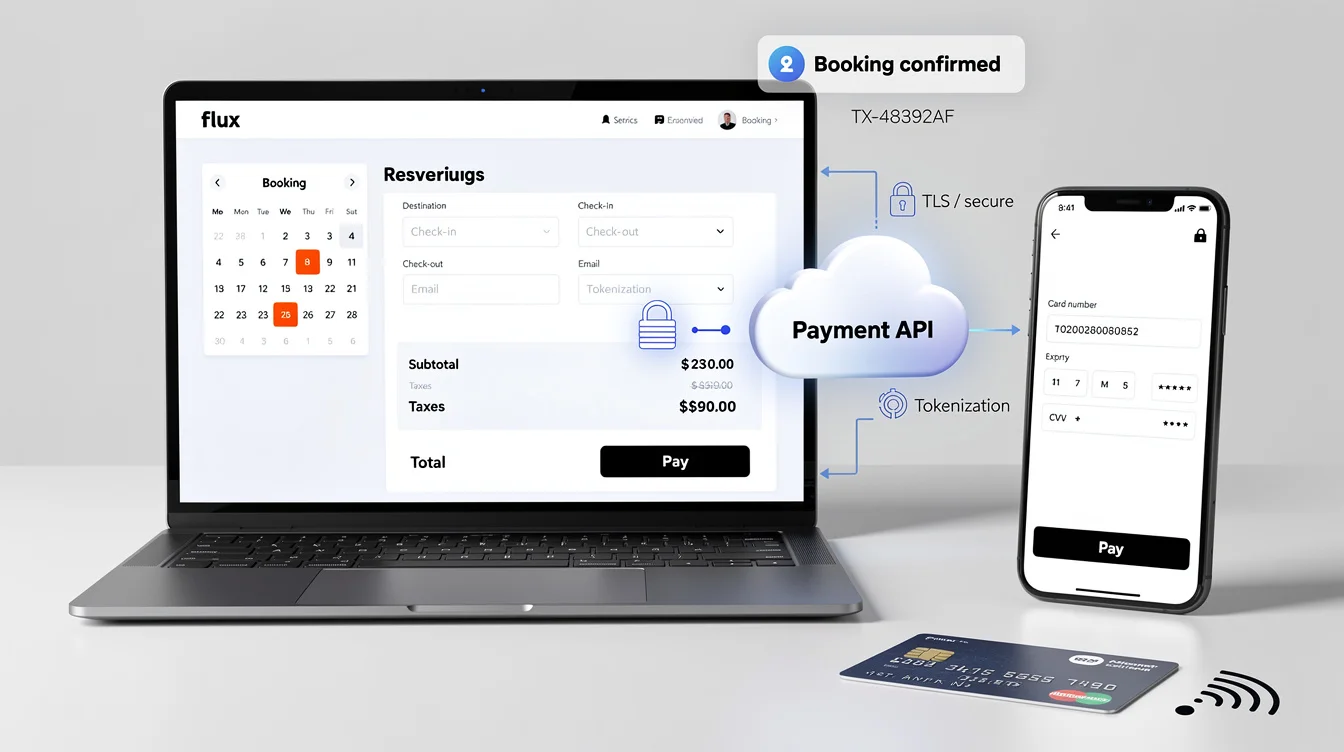
Online payment gateway integration isn't optional anymore-it's what separates booking platforms that grow from those that stall. When customers abandon their bookings at checkout, you lose revenue and market share.
At Schedly, we've seen firsthand how the right payment setup transforms booking experiences. This guide walks you through everything you need to know to get payments right.
Why Payment Gateways Stop Bookings From Failing
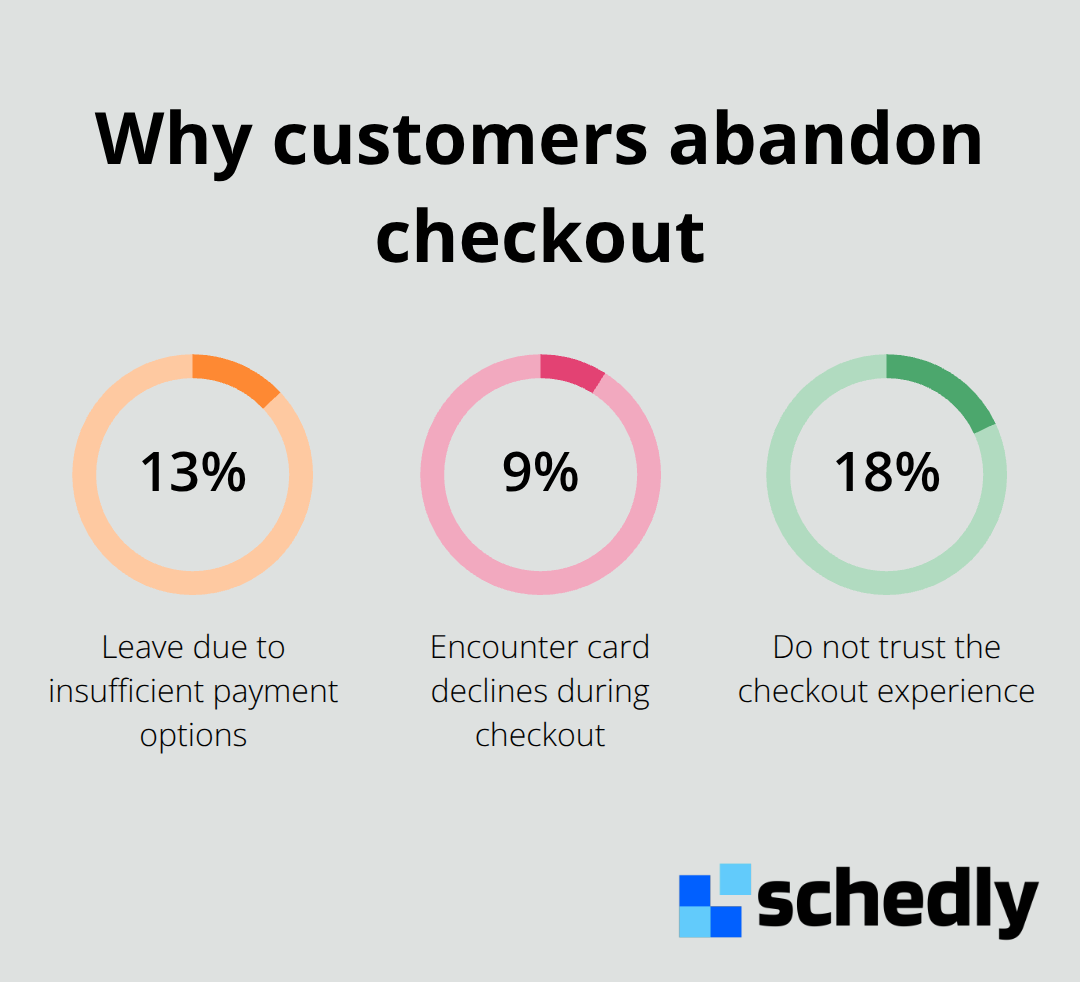
Payment abandonment costs you real money right now. Up to 30% of customers abandon their bookings at checkout according to research from Baymard Institute in 2025, and the reasons are brutal: 13% leave because there aren't enough payment options, 9% encounter card declines, and 18% simply don't trust the checkout. When a customer reaches your payment screen and bounces, you've already spent money on marketing to get them there. A weak payment setup turns qualified leads into losses. The gateway you choose directly controls whether customers complete their bookings or vanish.
Friction Points That Kill Conversions
The most damaging mistakes happen when booking platforms support only one or two payment methods. Germans expect BNPL options alongside cards. Dutch customers want iDEAL. Belgians rely on Bancontact. If you force them into a payment method they don't use, they leave. Mobile wallet integration matters too: Apple Pay and Google Pay reduce mobile checkout abandonment because customers pay in one tap rather than typing card details. The second killer is slow or unclear error messaging. When a card declines, customers need to know immediately if their bank rejected it, a fraud filter blocked it, or their card expired, and they need a clear next step. Generic error messages create anxiety and drive abandonment. Third, manual reconciliation after payment creates hidden administrative costs that drain margins. Without real-time payment data flowing into your booking system, your team spends hours matching transactions to reservations, hunting down missing deposits, and chasing refunds. This manual work isn't just inefficient; it delays your cash flow and creates gaps where revenue leaks out.
Building Trust Through Transparent Security
Customers won't complete bookings on platforms they don't trust. PCI DSS compliance signals that you take their card data seriously, but most customers don't know what PCI DSS means. What they see is whether your checkout uses HTTPS, whether it looks professional, and whether they recognize trusted payment brands like Stripe or PayPal. Platforms that redirect to a hosted payment page (rather than embedding checkout) sometimes feel suspicious to customers because they're leaving your site. Self-hosted checkout keeps customers on your branded platform, which builds confidence, but it requires stronger technical security practices. Tokenization removes the need to store card numbers at all, which cuts your PCI scope dramatically and reassures customers that their full card data never sits in your database. When payment setup is transparent and fast, bookings increase. Offering stored card options for repeat customers eliminates friction on their next booking and reduces no-shows because you can charge late-cancellation fees automatically.
Choosing the Right Gateway for Your Market
Your payment gateway must support the methods your customers actually use. Stripe and PayPal offer global reach and flexibility across industries, but local payment methods matter more than most platforms realize. A gateway that handles iDEAL, Bancontact, and BNPL options (in addition to standard cards) captures customers who would otherwise abandon their bookings. The gateway you select also determines your settlement speed and fee structure. Some providers charge flat per-transaction fees plus a percentage, while others layer on currency conversion charges or API usage fees that surprise you later. Test multiple gateways in a sandbox environment before committing to one, and compare not just transaction costs but also the speed at which funds reach your account and the quality of their error handling and customer support.
Getting Your Payment Integration Right
Integration starts with honest conversations about what your customers actually need. Your gateway choice isn't about picking the fanciest option; it's about matching payment methods to the geographic markets where your customers book from. Stripe charges 2.9% + 30¢ per transaction on their basic plan, while Adyen charges 12 cents plus up to 3.95% depending on payment method. The difference compounds at scale, but only if the gateway supports the payment methods your customers demand. A gateway that handles Stripe and PayPal works for North American markets, but it fails in Europe where local methods dominate conversion.
Match Your Gateway to Your Customer Geography
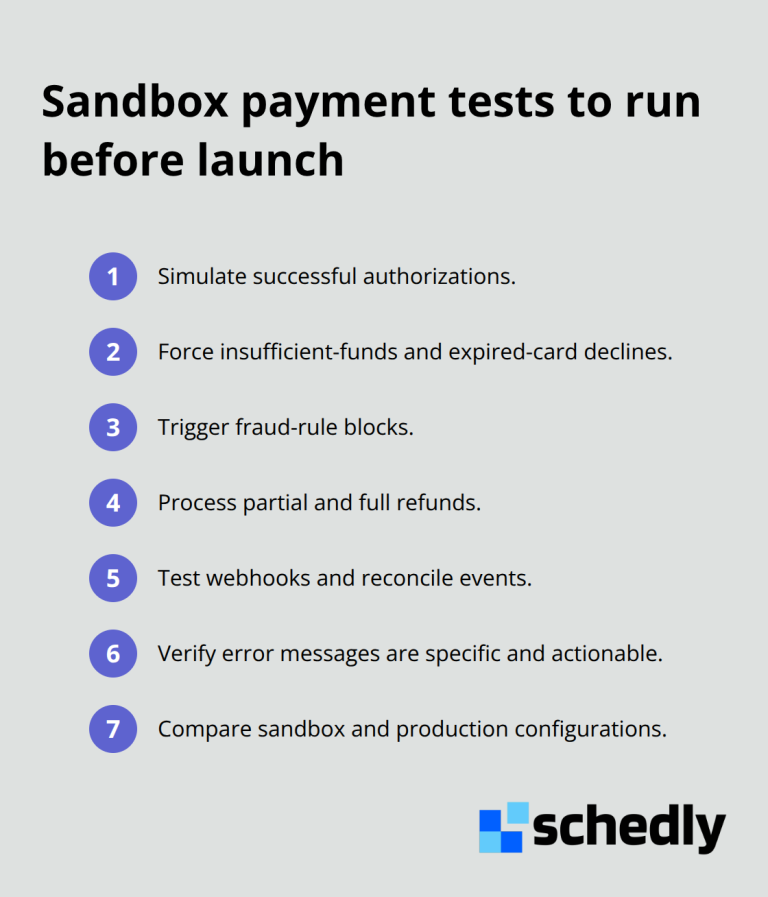
Test your chosen gateway in a sandbox environment with real transaction scenarios before you commit. Create test bookings from multiple countries, attempt refunds, trigger card declines, and verify that error messages are clear enough for customers to understand what went wrong. Sandbox testing catches integration failures before they cost you real bookings: expired API credentials, network timeouts, webhook delivery problems, and mismatches between sandbox and production environments all surface during testing if you look for them. Validate your API keys, confirm your firewall isn't blocking gateway connections, and parse the full error responses the gateway returns so you understand exactly what failed and why.
Security Isn't Optional, It's Non-Negotiable
PCI DSS compliance isn't bureaucracy; it's the baseline that keeps customer card data out of criminal hands and protects your business from liability. Tokenization replaces card numbers with encrypted tokens, which eliminates the need to store sensitive card data in your system at all. This single step cuts your PCI scope dramatically and removes the most valuable target from your infrastructure. HTTPS encryption on every page of your booking flow is mandatory, not optional. SSL/TLS protocols protect data in transit, and customers see the lock icon in their browser as a trust signal.
When you embed checkout on your site rather than redirecting customers away, you maintain branding control, but you also take on stronger security responsibilities. Collect payment data on the client side, transmit it securely to your server, then process it with the gateway using your secret API key. Never handle card data directly on your server or store it in plain text. Conduct quarterly vulnerability scans to catch gaps that technical controls miss, and train your team on phishing attacks because human error often breaks security that technology protects. Role-based access controls limit who can view transaction data or refund payments, which reduces the damage if an employee account gets compromised.
Test Every Payment Scenario Before Launch
Testing in production with real customers is how disasters happen. Test every payment scenario in sandbox first: successful authorizations, card declines from insufficient funds, expired cards, fraud blocks, refunds, and recurring payments if your booking model includes them. Replicate common failures deliberately so your team knows how to handle them when they occur live. Monitor settlement times after you go live; most gateways settle within one to three business days, but delays happen at authorization when a bank takes longer to approve, during fraud review when manual queues back up, or at settlement when the processor batches transactions. Document your gateway's expected settlement timeline and train your team to recognize when something's abnormal.
Error handling matters more than most teams realize: when a payment fails, your system should tell the customer specifically whether their bank rejected it, a fraud filter triggered, or their card expired, then offer a clear next step like trying a different card or payment method. Generic error messages create anxiety and drive abandonment. Set up real-time monitoring of transaction success rates, card decline rates, and settlement status after launch so you catch problems immediately rather than discovering them days later when customers complain. This visibility into your payment performance feeds directly into your next decision: optimizing which payment methods you promote and which gateways you expand to as your booking volume grows.
Which Payment Gateway Fits Your Booking Platform
Stripe and PayPal dominate global markets because they handle card payments across most countries, but treating them as interchangeable is a mistake that costs conversions. Stripe charges 2.9% plus 30 cents per transaction on their basic plan, while Adyen charges 12 cents plus up to 3.95% depending on payment method. The fee difference matters less than coverage: Stripe excels at supporting emerging payment methods like BNPL and digital wallets, while Adyen prioritizes traditional cards and local acquiring options that lower cross-border fees. If your customers book primarily from North America, Stripe handles that efficiently. If you attract European bookings, Adyen's local acquiring in key markets often wins on authorization rates and settlement speed. The choice isn't about which gateway is objectively better; it's about which one matches your geographic mix of customers.
Many booking platforms assume one gateway covers everything, then watch conversion drop in specific regions where local payment methods dominate. Germans expect BNPL options; Dutch customers demand iDEAL; Belgians rely on Bancontact. Stripe supports these methods natively, making it stronger for European expansion. Adyen also supports them, but with different fee structures depending on your acquiring setup. Test both in sandbox with bookings from your actual target countries before deciding. Run transactions from Germany, the Netherlands, Belgium, and other key markets. Compare not just fees but authorization rates, settlement times, and error clarity. A gateway that costs slightly more but authorizes 3% more transactions and settles next business day instead of in three days generates more revenue despite higher per-transaction costs.
Local Payment Methods Drive Regional Conversion
Regional payment preferences are not preferences; they are requirements. Baymard Institute research from 2025 shows that 13% of checkout abandonment stems directly from insufficient payment options. That percentage compounds across regions: in Germany it's higher, in the Netherlands it's higher, in Scandinavia it's higher. You cannot ignore these patterns and expect growth in those markets. A gateway that forces customers into card-only checkout in markets where local methods dominate loses deals immediately.
Stripe and PayPal both support regional methods, but Adyen's strength lies in having direct local acquiring relationships that often reduce fees and improve authorization rates for those methods. When you support iDEAL in the Netherlands, Bancontact in Belgium, or BNPL options in Germany, you match the payment experience to customer expectations. The technical integration is straightforward because modern gateways abstract away regional complexity. What matters is deciding upfront which regions matter to your booking volume and confirming your chosen gateway handles those methods at reasonable fees.
Mobile Wallets Remove Friction on Mobile Bookings
Apple Pay and Google Pay reduce mobile checkout abandonment because customers complete payment in one tap rather than typing card details. Mobile bookings now represent a growing share of total reservations across hospitality and service industries, yet many booking platforms still redirect mobile users to clunky card entry screens. Embedding Apple Pay and Google Pay into your mobile checkout cuts friction dramatically.
The technical implementation is simple: your payment gateway handles tokenization and security, your mobile app integrates the wallet SDK, and customers authorize with biometric or device PIN. The result is faster checkouts and higher completion rates. Test this in sandbox first by making bookings from iPhone and Android devices, confirming that wallet buttons appear and function correctly.
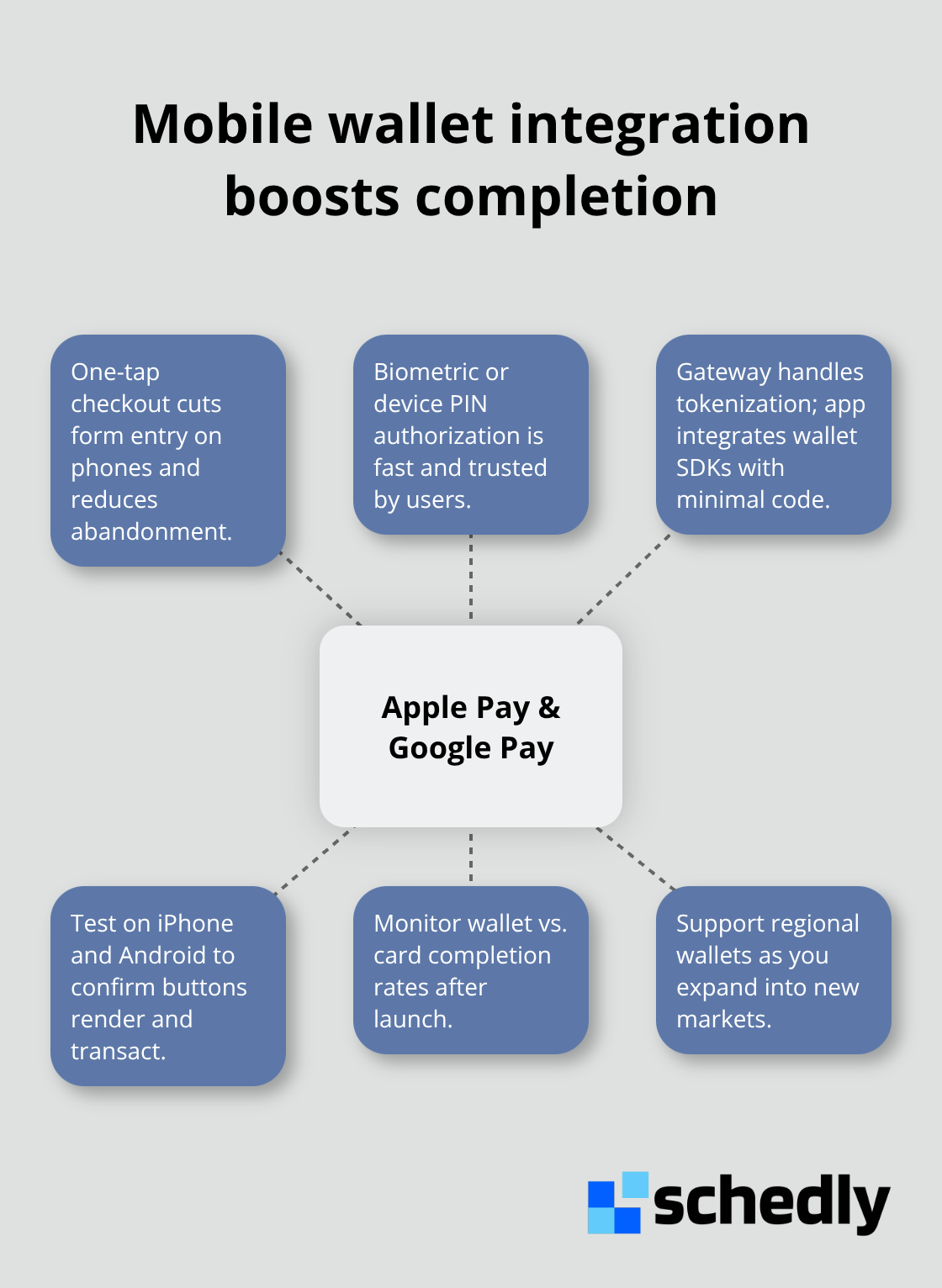
If your booking platform serves customers across regions, ensure your gateway supports the dominant wallet in each market: Apple Pay globally, Google Pay in Android-heavy markets, and regional wallets like Alipay in Asia if you expand there. The decision to prioritize wallet integration isn't optional if mobile bookings represent a significant portion of your traffic, which they do for most modern booking platforms.
Final Thoughts
Online payment gateway integration works best when customers never think about it. They complete bookings in seconds without worrying about security, payment methods, or settlement times-they focus only on confirming their reservation. We at Schedly embed secure payment processing through gateways like Stripe and PayPal directly into the booking workflow, which automates transactions from authorization to settlement and eliminates manual reconciliation work that drains your team's time.
Audit your current payment setup against what your customers actually demand right now. If you lose bookings in specific regions, insufficient payment method coverage is almost certainly the problem. If your mobile completion rates lag desktop, wallet integration is missing. If your team spends hours matching transactions to reservations, your gateway isn't feeding real-time data into your booking system.
Start with sandbox testing of your chosen gateway using real transaction scenarios from your target markets. Validate that error messages are clear, settlement times match your cash flow needs, and regional payment methods work correctly. Then monitor your conversion metrics obsessively after launch, because small improvements in checkout completion compound into significant revenue gains over months.