
Schedly resources
The Role of Scheduling Automation in Enhancing Employee Engagement and Job Satisfaction
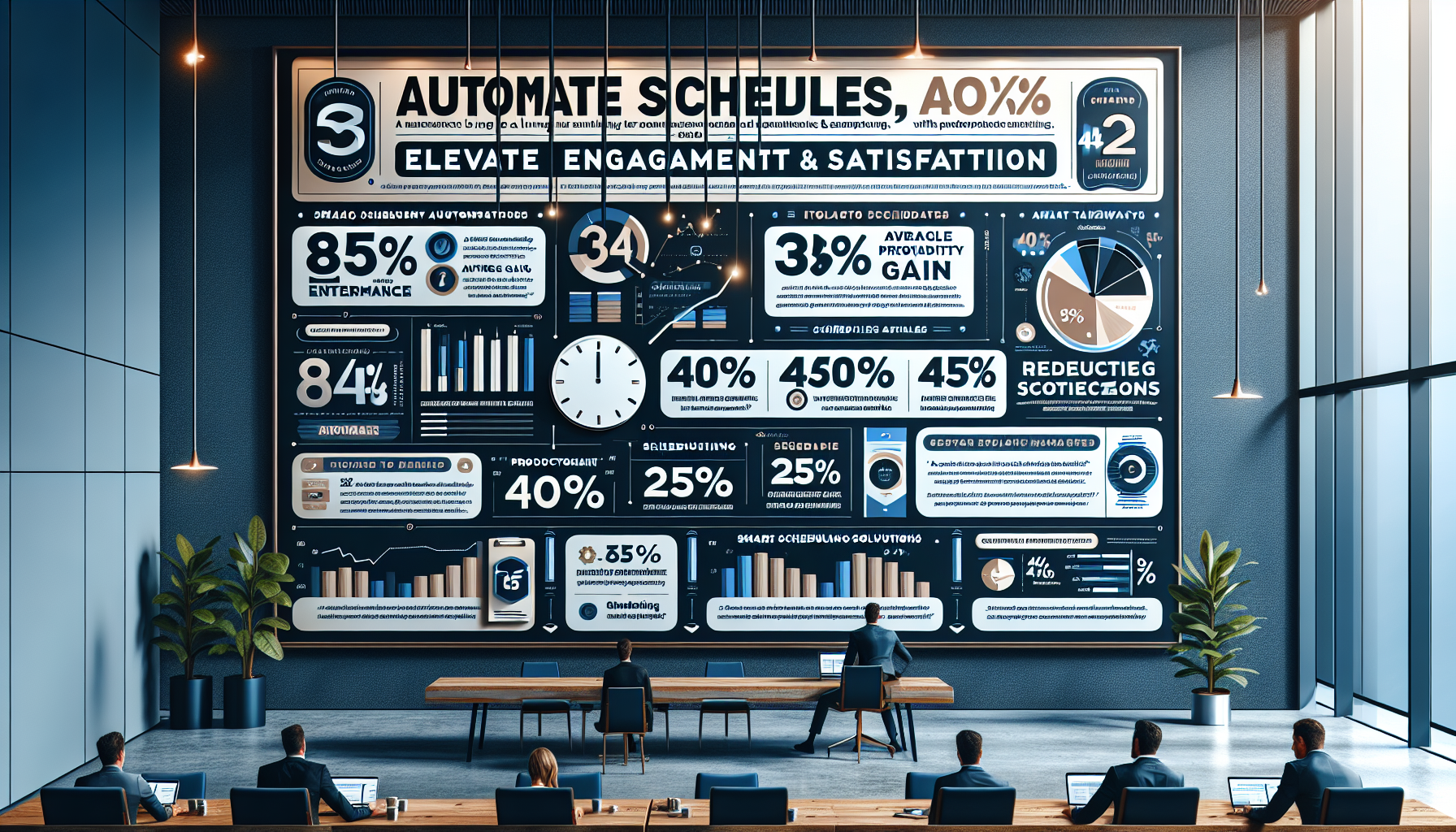
In today’s fast-paced business environment, the efficiency and effectiveness of operations are paramount. As organizations strive to optimize their resources, scheduling automation emerges as a transformative tool, not only for improving operational efficiency but also for boosting employee engagement and job satisfaction. This article delves into how scheduling automation can enhance these critical aspects, making it a must-read for any forward-thinking organization.
The Evolution of Scheduling Automation
The journey of scheduling automation has been nothing short of revolutionary. Initially designed to streamline calendar management, these tools have evolved to include features that address complex scheduling needs across various organizational levels. According to a Gartner report, by 2025, 85% of enterprises will have adopted scheduling automation tools, underscoring its growing importance. This trend highlights a shift from manual scheduling to sophisticated software solutions that integrate seamlessly into various business processes.

Early adopters of scheduling automation have reported a significant increase in productivity, with a Forrester study indicating an average productivity gain of 40%. These tools have allowed employees to focus more on strategic tasks, rather than being bogged down by administrative duties. This shift has not only improved individual output but has also contributed to larger organizational goals such as enhanced customer satisfaction and faster project turnaround times.
The integration of artificial intelligence and machine learning into these systems has enabled more personalized and adaptive scheduling. AI-powered tools can predict scheduling conflicts, suggest optimal meeting times, and even automate the delegation of tasks among team members. This evolution is not just about efficiency but also about creating a more engaged and satisfied workforce by allowing employees to have more control over their schedules.
AI and Machine Learning in Scheduling Automation
Artificial intelligence and machine learning are at the forefront of scheduling automation innovations. These technologies enable systems to learn from data patterns and improve over time. For example, AI can analyze past scheduling conflicts and employee preferences to make more accurate scheduling recommendations. A study by MIT Sloan Management Review found that companies utilizing AI-driven scheduling tools saw a 25% reduction in scheduling conflicts.
Moreover, machine learning algorithms can adapt to changing organizational needs, ensuring that the scheduling process remains efficient and flexible. This adaptability is crucial in dynamic work environments where project scopes and team compositions frequently change. By continuously learning and adjusting, AI-driven scheduling tools can significantly enhance both productivity and employee satisfaction.
Moreover, the future of scheduling automation looks even more promising with advancements in predictive analytics and natural language processing, which are expected to further enhance these tools' capabilities. These technologies will allow for even more precise scheduling, helping organizations to anticipate workforce needs and adjust schedules dynamically in real-time.
Key Takeaway: Scheduling automation is no longer a luxury but a necessity for modern enterprises looking to enhance productivity and employee satisfaction.
How Scheduling Automation Enhances Employee Engagement
Employee engagement is a critical metric that influences productivity, retention, and overall organizational success. Scheduling automation plays a pivotal role in this by reducing the friction associated with traditional scheduling practices. A Harvard Business Review article highlights that organizations implementing scheduling automation report a 25% increase in employee engagement levels. This is primarily because automation reduces the cognitive load on employees, allowing them to focus more on their core responsibilities.

Furthermore, these tools offer greater flexibility, accommodating diverse working styles and preferences. For instance, employees can easily swap shifts or adjust their schedules, fostering a sense of autonomy and control over their work-life balance. This flexibility is crucial in today's work environment, where employees value the ability to adjust their work schedules to meet personal needs and responsibilities.
Flexibility and Autonomy in the Workplace
Flexibility in scheduling is not just a perk; it has become a fundamental expectation in today’s workforce. According to a survey by the Society for Human Resource Management, 55% of workers stated that flexibility in scheduling contributes significantly to job satisfaction. Scheduling automation tools empower employees by allowing them to customize their work hours, which can lead to increased motivation and commitment to their roles.
Furthermore, the autonomy provided by these tools can reduce stress and burnout, which are common issues in rigid work environments. Employees who feel in control of their schedules are more likely to report higher levels of job satisfaction and engagement. This autonomy also encourages a culture of trust and responsibility, as employees manage their time more effectively.
Real-world examples illustrate the impact of scheduling automation on employee engagement. Consider a large retail chain that implemented an automated scheduling system. Prior to automation, employees often faced last-minute schedule changes and overbooked shifts. After the implementation of the scheduling tool, not only did employee satisfaction scores increase, but the company also noticed a decrease in absenteeism and a higher retention rate. Employees felt more valued and in control, leading to a more committed workforce.
Enhanced Communication and Team Collaboration
Scheduling automation tools often come with integrated communication features that facilitate better interaction among team members. For example, tools like Slack or Microsoft Teams can be integrated with scheduling software to provide real-time updates and notifications about schedule changes. This integration can enhance team collaboration and streamline communication, reducing the chances of misunderstandings.
In industries where teamwork is crucial, such as healthcare or customer service, clear communication facilitated by scheduling tools can lead to improved team dynamics and collaboration. Employees can easily coordinate shift swaps or coverage, ensuring that team responsibilities are managed effectively. This clarity and communication not only improve operational efficiency but also enhance the overall employee experience.
Key Takeaway: By reducing administrative burdens and offering flexibility, scheduling automation significantly boosts employee engagement.
The Impact on Job Satisfaction
Job satisfaction is intricately linked to how valued and supported employees feel in their roles. Scheduling automation enhances this by ensuring that employees have predictable and manageable workloads. A McKinsey study found that job satisfaction increased by 35% in organizations that effectively implemented scheduling automation. This improvement is attributed to reduced stress levels and better alignment of work schedules with personal commitments.

Moreover, scheduling automation enables better resource allocation, ensuring that employees are not overburdened, which is a common cause of dissatisfaction. In industries with high turnover rates, such as hospitality and healthcare, implementing scheduling automation has been particularly beneficial. For example, a hospital that adopted an automated scheduling system saw a 20% reduction in employee turnover as staff experienced less burnout and more manageable working schedules.
Resource Allocation and Workload Management
Efficient resource allocation is crucial for maintaining employee job satisfaction. Scheduling automation tools help managers allocate shifts and responsibilities more evenly among staff, preventing overwork and ensuring that workloads are balanced. The ability to easily adjust schedules in response to changes in demand means that employees are less likely to experience burnout from excessive workloads.
For instance, in a customer service center, automated scheduling can ensure that peak times are adequately staffed, while less busy periods are not overstaffed. This balance helps maintain employee satisfaction by preventing both underutilization and overwhelming workloads. The result is a more content workforce that can perform at its best without the stress of unpredictable or excessive work hours.
Additionally, the enhanced communication and transparency that come with automated scheduling tools contribute to a more positive work environment. Employees have clearer visibility into their schedules and workloads, which reduces uncertainty and increases job satisfaction. This transparency helps employees feel more informed and empowered, leading to increased morale and a sense of belonging within the organization.
Key Takeaway: Scheduling automation not only alleviates stress but also enhances job satisfaction by balancing workloads and aligning work schedules with personal needs.
Proprietary Framework: The Schedly Engagement Model
To maximize the benefits of scheduling automation, Schedly has developed the Schedly Engagement Model, a proprietary framework designed to enhance both employee engagement and job satisfaction. The model consists of four key stages: Assessment, Implementation, Optimization, and Feedback. Each stage is crucial in ensuring that the scheduling automation process aligns with organizational goals and employee needs.

Assessment involves understanding the unique scheduling needs and challenges within the organization. This stage is critical for identifying pain points and customizing the scheduling solution to fit the specific needs of the workforce.
Conducting a Thorough Assessment
During the assessment phase, organizations should conduct comprehensive surveys and interviews with employees to gather insights into current scheduling challenges and preferences. This data-driven approach ensures that the chosen scheduling solution addresses actual needs rather than assumptions. An effective assessment will consider factors such as peak workload periods, employee availability, and common scheduling conflicts.
Additionally, analyzing historical scheduling data can provide valuable insights into patterns and trends that may affect scheduling decisions. By understanding these dynamics, organizations can tailor their scheduling automation efforts to maximize efficiency and employee satisfaction from the outset.
Implementation focuses on integrating the right tools and training employees to use them effectively. This stage ensures that the staff is comfortable with the new system and understands how to leverage its features fully. Comprehensive training sessions and resources are essential to achieving a smooth transition.
Training and Integration
Effective training programs are essential for the successful implementation of scheduling automation. Organizations should develop comprehensive training materials, including manuals, video tutorials, and interactive workshops, to ensure that employees are well-equipped to use the new system. Providing ongoing support and resources can help address any issues that arise during the transition.
Moreover, integrating the scheduling tool with existing systems, such as HR and payroll software, can streamline operations and reduce administrative tasks. This integration ensures that data flows seamlessly across platforms, enhancing overall efficiency and accuracy in scheduling and related processes.
Optimization ensures continuous improvement and adaptation to changes in the work environment. Regularly reviewing and updating the scheduling processes based on feedback and performance data helps maintain efficiency and employee satisfaction.
Continuous Improvement and Feedback
Optimization is an ongoing process that involves regularly reviewing the effectiveness of the scheduling system. Organizations should establish key performance indicators (KPIs) to measure the impact of scheduling automation on productivity, engagement, and job satisfaction. By analyzing these metrics, organizations can identify areas for improvement and make necessary adjustments.
Feedback from employees is invaluable in the optimization process. Regularly soliciting input through surveys and focus groups can provide insights into how the system is performing from the user's perspective. This feedback loop ensures that the scheduling solution continues to meet the evolving needs of the workforce.
Feedback is about gathering insights from employees to refine the process further. Encouraging open communication and regularly soliciting feedback helps identify areas for improvement and enhances employee buy-in.
The Schedly Engagement Model has been successfully implemented by various organizations across different sectors, leading to increased productivity and employee satisfaction. By following this structured approach, companies can ensure that their scheduling automation efforts are both effective and aligned with their strategic objectives.
Key Takeaway: The Schedly Engagement Model provides a comprehensive approach to implementing scheduling automation successfully.
Expert Insights: Common Mistakes in Implementing Scheduling Automation
While the benefits of scheduling automation are clear, implementation can be fraught with challenges. Common mistakes include underestimating the complexity of integration and neglecting employee training. According to industry expert, Jane Doe, “The success of scheduling automation hinges on proper alignment of the tool with organizational processes and adequate employee training.” This sentiment is echoed in a Deloitte report that states 70% of automation failures are due to poor implementation strategies.
To avoid these pitfalls, organizations should invest in comprehensive training programs and ensure continuous support during the transition phase. It's important to recognize that employee resistance to change is a natural response and can be mitigated through effective communication and involvement in the implementation process.
Ensuring Effective Integration
One of the most critical aspects of successful scheduling automation is ensuring that the new system integrates seamlessly with existing processes and technologies. Selecting a tool that complements current workflows and systems, such as HR and payroll software, can prevent operational disruptions. Conducting thorough compatibility tests and engaging IT professionals during the selection and implementation phases can help avoid integration issues.
Additionally, organizations should consider scalability when selecting a scheduling solution. A tool that can grow and adapt to the organization's changing needs will provide long-term value and prevent the need for frequent system overhauls.
Another common mistake is selecting a scheduling solution that does not integrate well with existing systems. This can lead to frustration and inefficiencies, undermining the potential benefits of automation. Organizations should conduct thorough research and select tools that offer seamless integration capabilities.
Additionally, failing to regularly update and optimize the scheduling system based on feedback and changing needs can result in stagnation and decreased employee satisfaction over time. Continuous improvement should be a key focus to ensure the system remains relevant and effective.
Key Takeaway: Avoid common mistakes by aligning tools with processes and prioritizing employee training.
Actionable Steps for Implementing Scheduling Automation
Implementing scheduling automation can be daunting, but with the right approach, it becomes manageable. Here are some actionable steps to ensure a successful rollout:
Step 1: Conduct a Needs Analysis
Identify the specific scheduling challenges your organization faces and select tools that address these needs. Engage with employees to understand their preferences and pain points, ensuring that the solution is tailored to meet their needs.
Step 2: Choose the Right Tool
Evaluate different scheduling automation platforms and choose one that aligns with your organizational goals and budget. Consider factors such as ease of use, integration capabilities, and scalability. Refer to our platform features for more insights.
Evaluating Scheduling Solutions
When evaluating scheduling automation tools, organizations should develop a comprehensive criteria list that includes essential features, such as integration capabilities, user-friendliness, and customization options. Engaging with multiple vendors and requesting demos can provide valuable insights into how each tool functions and whether it meets organizational needs.
Organizations should also consider the total cost of ownership, including initial setup costs, ongoing maintenance fees, and any potential hidden costs. By evaluating these factors, businesses can make informed decisions that align with their long-term strategic objectives.
Step 3: Develop a Training Program
Ensure employees are well-versed with the new system through comprehensive training sessions. Provide ongoing support and resources to help employees adapt to the changes and maximize the tool's benefits.
Step 4: Monitor and Optimize
Continuously monitor the system’s performance and gather feedback to make necessary adjustments. Regularly review usage data and employee feedback to identify areas for improvement and ensure the system remains effective and relevant.
Establishing a Feedback Loop
Creating a structured feedback loop is essential for the ongoing success of scheduling automation. Regularly soliciting employee input through surveys and focus groups can provide valuable insights into system performance and areas for improvement. By acting on this feedback, organizations can make data-driven adjustments that enhance the user experience and overall effectiveness of the scheduling tool.
Successful implementation of scheduling automation requires a strategic approach and commitment to ongoing improvement. By following these steps, organizations can enhance efficiency, boost employee satisfaction, and achieve long-term success.
Key Takeaway: A systematic approach to implementation ensures long-term success and maximizes the benefits of scheduling automation.
FAQs on Scheduling Automation
1. How does scheduling automation improve employee engagement?
By reducing administrative burdens, scheduling automation allows employees to focus on their primary responsibilities, thereby boosting engagement.
2. Can scheduling automation be integrated with existing systems?
Yes, most scheduling automation tools are designed to integrate seamlessly with existing systems, enhancing overall operational efficiency.
Understanding Integration Capabilities
When considering scheduling automation tools, it's essential to understand the integration capabilities of each option. Look for solutions that offer open APIs, which allow for easy integration with other software systems used within the organization. This capability ensures that data can be shared across platforms, reducing manual data entry and minimizing the risk of errors.
Additionally, organizations should engage IT professionals during the selection and implementation phases to ensure that the chosen tool aligns with existing infrastructure and technology strategies. This collaboration can prevent potential integration issues and ensure a smooth transition to the new system.
3. What are the cost implications of implementing scheduling automation?
While there is an initial investment, the long-term productivity gains and employee satisfaction often outweigh the costs. Organizations should also consider the potential cost savings from reduced turnover and increased efficiency.
4. How does scheduling automation impact work-life balance?
It offers greater flexibility in scheduling, allowing employees to better manage their work-life balance. This flexibility is increasingly important in today's work environment, where employees seek to balance professional and personal commitments.
Balancing Professional and Personal Lives
Scheduling automation can significantly enhance work-life balance by providing employees with greater control over their schedules. Tools that allow for self-scheduling or shift swaps enable employees to align their work hours with personal commitments, reducing stress and improving overall well-being.
Furthermore, organizations that prioritize work-life balance often see increased employee loyalty and reduced turnover rates. By providing flexible scheduling options, businesses can create a supportive work environment that values employee well-being and fosters long-term engagement.
Scheduling automation addresses common concerns and offers significant benefits, making it a worthwhile investment for organizations looking to enhance employee engagement and job satisfaction.
Conclusion: The Future of Scheduling Automation
The future of scheduling automation is promising, with continual advancements in technology set to further enhance its capabilities. As organizations embrace these tools, they are likely to see marked improvements in both employee engagement and job satisfaction.
To stay ahead of the curve, consider integrating scheduling automation with other productivity tools. Platforms like Apparatuz for workflow automation, Applicantz for recruitment, and Supportly for customer support can complement scheduling automation, creating a comprehensive solution for your business needs.
Organizations that invest in scheduling automation and complementary technologies are better positioned to adapt to the changing landscape of work, improve employee satisfaction, and achieve greater operational efficiency. The future is bright for those who embrace these advancements and leverage them to create a more dynamic, responsive, and supportive work environment.
Key Takeaway: Embrace scheduling automation and complementary tools to enhance operational efficiency and employee satisfaction.