
Schedly resources
Time Blocking vs. Time Boxing: Which Works Better?
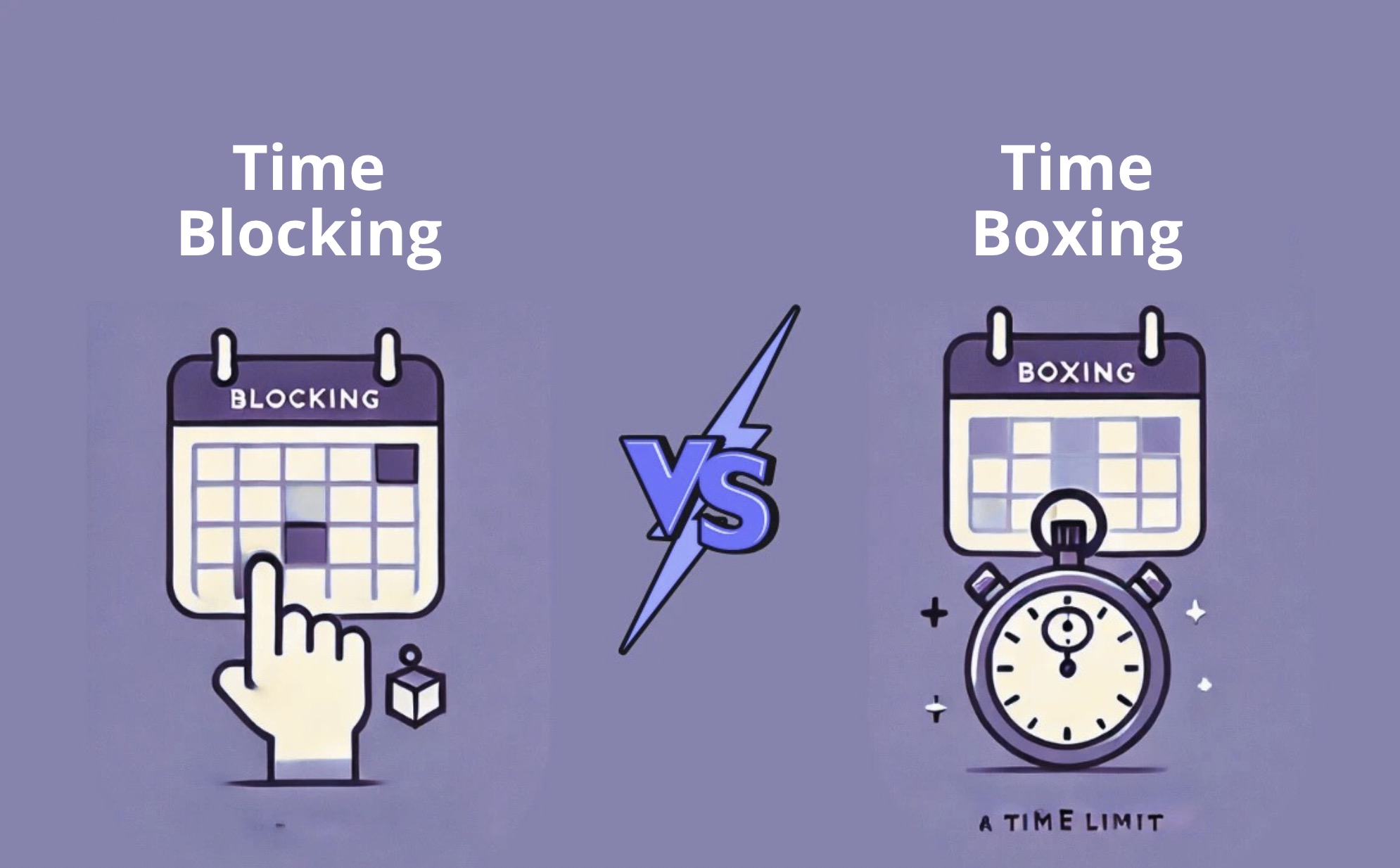
At Schedly, we're always exploring ways to boost productivity. Time management is a crucial skill, and two popular methods often come up in discussions: time blocking vs. time boxing.
These techniques offer unique approaches to organizing your day and maximizing efficiency. In this post, we'll break down both methods, compare their strengths, and help you decide which one might work best for you.
What Is Time Blocking?
Definition and Core Principles
Time blocking is a time management method where you divide your day into blocks of time. Each block is dedicated to a specific task or group of tasks. This method transforms the way people work and manage their time.
Implementation of Time Blocking
To implement time blocking effectively:
- List all tasks for the day or week.
- Assign each task to a specific time slot on your calendar.
For example:
- 9:00 AM to 11:00 AM: Focused work on a project
- 11:00 AM to 12:00 PM: Meetings
- 1:00 PM to 2:00 PM: Email management
It's important to be realistic about task duration. Consider potential distractions when planning your blocks.
Advantages of Time Blocking
Time blocking offers several benefits:
- Increased focus: By dedicating specific time slots to tasks, you reduce multitasking, which can potentially impact productivity.
- Reduced decision fatigue: Planning your day in advance frees up mental energy for more important decisions and creative thinking.
Practical Tips for Effective Time Blocking

Time blocking requires practice and adjustment. Start with blocking out your most important tasks and expand from there. With time, this method will likely become second nature and significantly improve your time management skills.
Now that we've explored time blocking, let's turn our attention to another popular time management technique: time boxing.
What Is Time Boxing?
Definition and Core Principles
Time boxing is a simple but efficient time management method where you set an allotted time to work on a task, then evaluate your progress afterward. This method transforms productivity by assigning a fixed, maximum time unit to an activity. For example, you might allocate 30 minutes to answer emails or 45 minutes to work on a project. Once the time is up, you move on, regardless of whether the task is complete.
The Power of Time Constraints
Time boxing offers several advantages:
- Increased Focus: The time constraint creates a sense of urgency, which helps you concentrate on the task at hand.
- Improved Estimation Skills: You'll enhance your ability to gauge how long tasks actually take.
- Reduced Perfectionism: With a set time limit, you must prioritize and avoid getting stuck on minor details.
Research has consistently found that university students increase their study efforts as exams come closer in time, indicating increasing study motivation. This aligns with observations among users who implement time boxing in their workflows.
Practical Implementation
To make the most of time boxing, consider these strategies:
- Start Small: Begin with short time boxes of 15-30 minutes. Gradually increase the duration as you become more comfortable with the technique.
- Use a Timer: A visual countdown can help maintain focus. Many users find that the Pomodoro technique (which uses 25-minute work intervals) pairs well with time boxing.
- Prioritize Tasks: Tackle your most important or challenging tasks during your peak energy hours.
- Review and Adjust: After each time box, assess your progress. Decide whether to allocate another time box or move on.
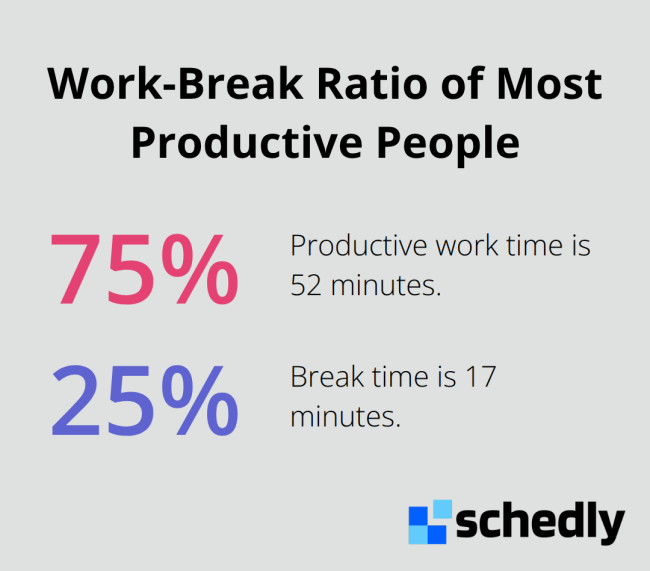
- Combine with Breaks: Include short breaks between time boxes to recharge. DeskTime's data revealed that the most productive people work for 52 minutes, then break for 17 minutes.
Effective Application
Time boxing can be particularly effective for tasks you tend to procrastinate on or those that often expand to fill available time. This method creates a structure that promotes efficiency and helps maintain a healthy work-life balance.
Now that we've explored both time blocking and time boxing, let's compare these two powerful time management techniques to help you decide which one might work best for your needs.
Time Blocking vs Time Boxing: Which Fits Your Work Style?
Shared Goals, Different Approaches
Time blocking techniques and time boxing are powerful productivity techniques that enhance focus and productivity. They differ in execution: time blocking allocates specific time slots for tasks, while time boxing sets strict time limits for activities.
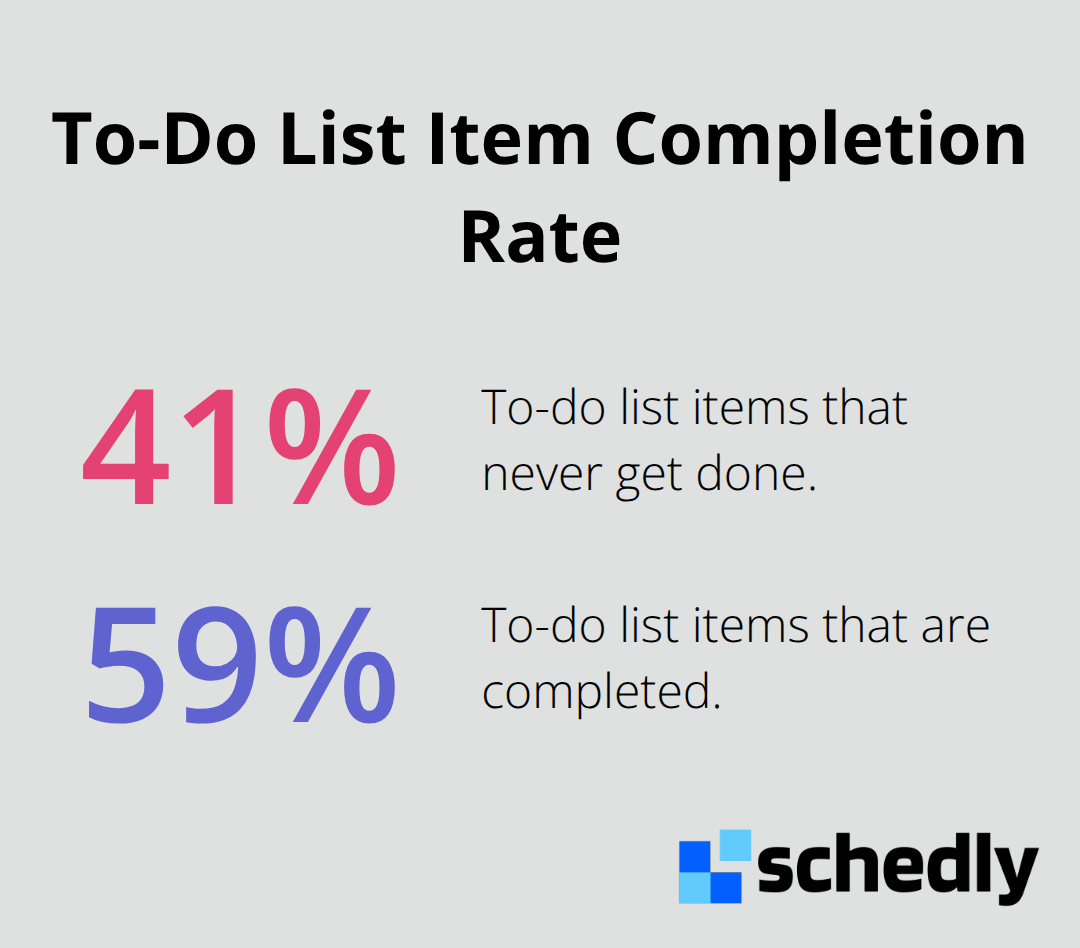
A study revealed that 41% of to-do list items never actually get done. Both methods combat this issue by creating a structured approach to task completion. Time blocking achieves this through careful planning, while time boxing leverages urgency.
When Time Blocking Excels
Time blocking proves effective for individuals with predictable schedules or those who juggle multiple responsibilities. It works particularly well for:
- Project managers who oversee various tasks
- Freelancers who balance multiple clients
- Students who manage coursework and extracurriculars
For instance, a marketing professional might block 9-11 AM for content creation, 1-3 PM for client meetings, and 3-5 PM for strategy planning.
Time Boxing's Sweet Spot
Time boxing suits tasks prone to expansion or procrastination. It's especially useful for:
- Writers who face deadlines
- Developers who tackle complex coding problems
- Entrepreneurs who brainstorm new ideas
A graphic designer might set a 90-minute time box for logo concepts, which forces creative decisions within a set timeframe.
Tailoring Your Approach
Your choice between time blocking and time boxing should align with your work style and task types. Consider these factors:
- Task Predictability: Time blocking suits routine tasks, while time boxing fits variable activities.
- Work Environment: Time blocking works well in structured environments (e.g., corporate offices), time boxing in more dynamic settings (e.g., creative agencies).
- Personal Tendencies: If you tend to overwork, time boxing can prevent burnout. If you struggle with focus, time blocking provides structure.
Experimentation and Combination
Try both methods to find what works best for you. Many professionals succeed in combining the two, using time blocking for their overall schedule and time boxing for specific tasks within those blocks.
The goal is to enhance productivity without adding stress. Whichever method you choose, ensure it aligns with your work style and helps you achieve your goals efficiently. (Some users even find that alternating between methods keeps their work routine fresh and engaging.)
Final Thoughts
Time blocking vs time boxing both offer unique advantages for managing time and boosting productivity. Time blocking provides structure and helps allocate specific periods for tasks, while time boxing introduces urgency and combats perfectionism. The key to success lies in finding the right approach for your work style and needs. Some professionals thrive with the structured nature of time blocking, while others find the time pressure of time boxing more motivating.
Experimenting with different productivity techniques is essential. What works for one person may not work for another, and what's effective for certain tasks might be less suitable for others. You should try both methods and adjust them to fit your unique circumstances. With practice, these techniques will become second nature, helping you manage your time more effectively and achieve your goals with greater ease.
At Schedly, we understand the importance of efficient time management. We've developed scheduling software that streamlines your booking process (allowing you to focus on what matters most). Schedly complements time management techniques like time blocking and time boxing, helping you make the most of your workday.