
Schedly resources
Using PayPal payment processing to Expand Payment Options
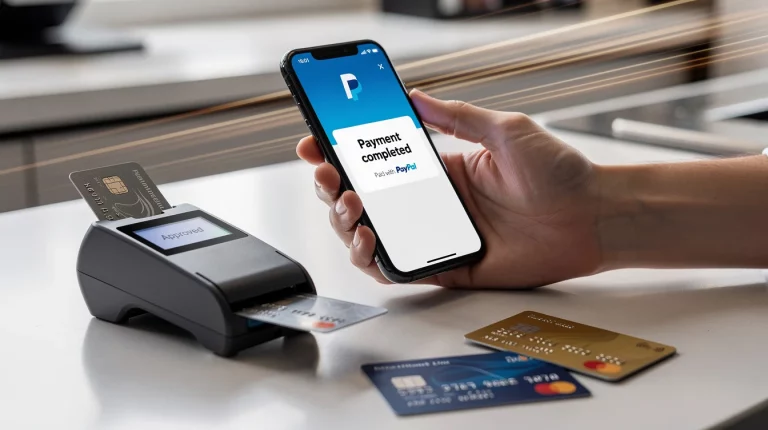
PayPal payment processing has become essential for businesses that want to compete in today's market. Customers expect multiple payment options, and PayPal is one of the most recognized and trusted methods available.
At Schedly, we've seen firsthand how adding PayPal can reduce friction in the checkout process and boost your conversion rates. This guide walks you through everything you need to know to get started.
Why PayPal Matters for Your Business
PayPal processes over $1.79 trillion in annual payment volume across 200+ markets, and 439 million people actively use the platform. That scale means your customers already know PayPal and trust it. When you add PayPal to your checkout, you eliminate the friction of asking customers to learn something new or take a leap of faith on an unfamiliar payment method. They recognize the brand, they understand how it works, and they've already decided it's safe. This familiarity translates directly into fewer abandoned carts. Merchants using PayPal Complete Payments experience higher conversion rates compared to those without it. For small and medium-sized businesses, that difference can mean thousands of dollars in additional revenue every month.
The Conversion Impact of Familiar Payment Methods
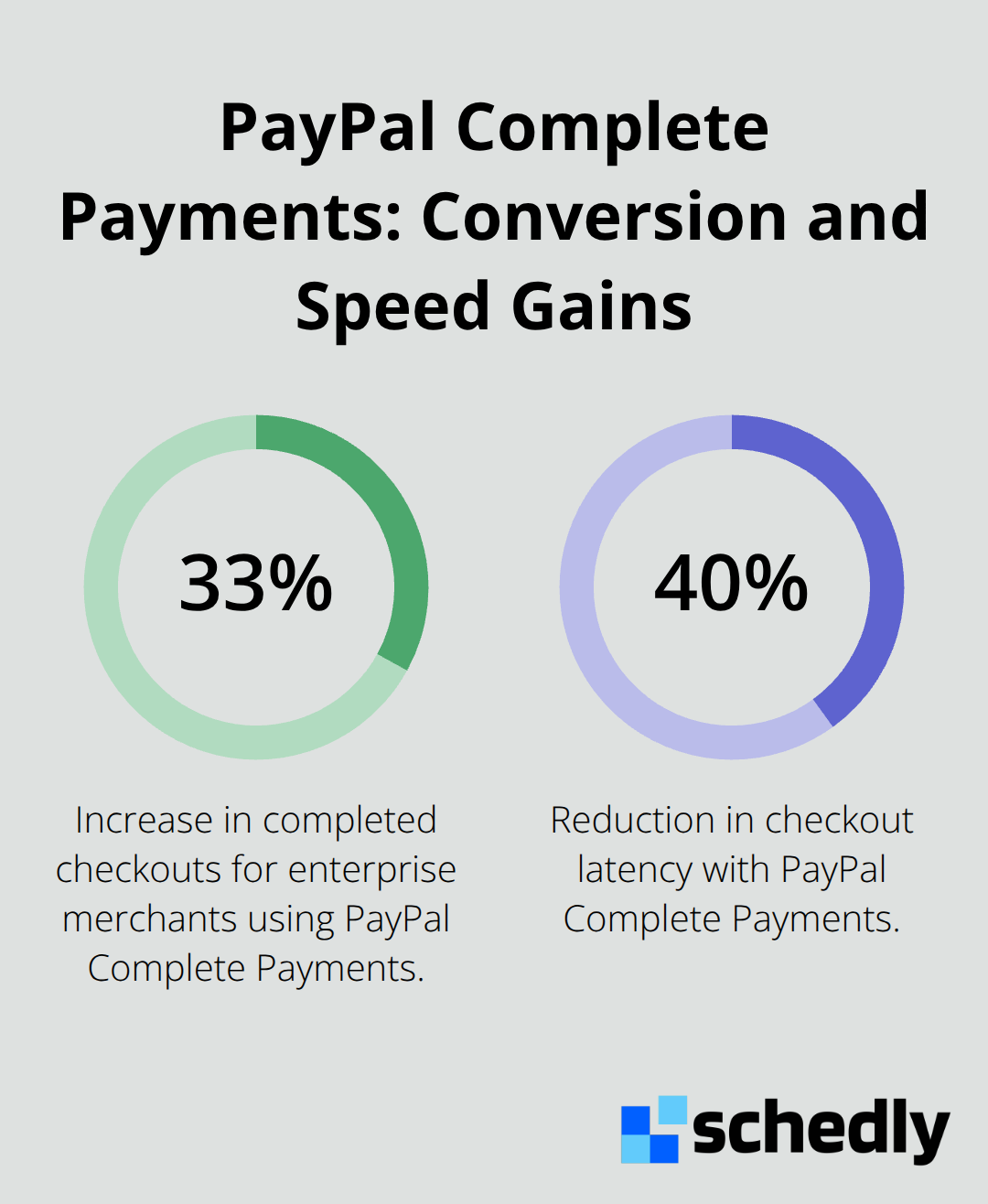
Cart abandonment remains one of the biggest revenue killers in online commerce. When customers reach checkout and don't see a payment option they recognize and trust, many simply leave. PayPal solves this problem because 36 million merchants worldwide already accept it, and customers know the process works smoothly. Enterprise merchants using PayPal Complete Payments see around 33% more completed checkouts than those relying on limited payment options. Additionally, PayPal Complete Payments reduces checkout latency by over 40%, which matters because every second of delay increases abandonment risk. The speed advantage comes from PayPal's ability to autofill customer information, eliminating tedious form completion that frustrates shoppers.
Building Genuine Trust Through Transaction Security
Customers hesitate at checkout because they worry about fraud and data theft. PayPal's built-in buyer protection addresses this concern directly. The platform handles sensitive payment information on its own secure servers, meaning your business never stores or processes credit card numbers directly. This separation reduces your security burden and gives customers concrete reassurance. When you prominently display PayPal as a payment option, you tell customers that their transaction receives protection from one of the world's largest payment processors. That matters more than generic security badges or promises. Merchants who highlight PayPal's protection features alongside their payment options see measurable increases in customer confidence, particularly among first-time buyers who hesitate most to complete transactions.
Moving Forward with Implementation
Understanding why PayPal matters sets the foundation for your next step. The actual process of integrating PayPal into your business requires careful planning and configuration to maximize its effectiveness.
Getting PayPal Live in Three Practical Steps
Integrating PayPal into your business sounds technical, but the actual process moves faster than most people expect. PayPal offers multiple integration paths depending on your platform and technical comfort level. If you use a hosted solution like Shopify or WooCommerce, PayPal integration happens in minutes through pre-built plugins that handle most configuration automatically. For custom-built systems, you'll work with PayPal's API documentation and likely need developer support, but the setup remains straightforward compared to older payment processors.
Choose Your Integration Path
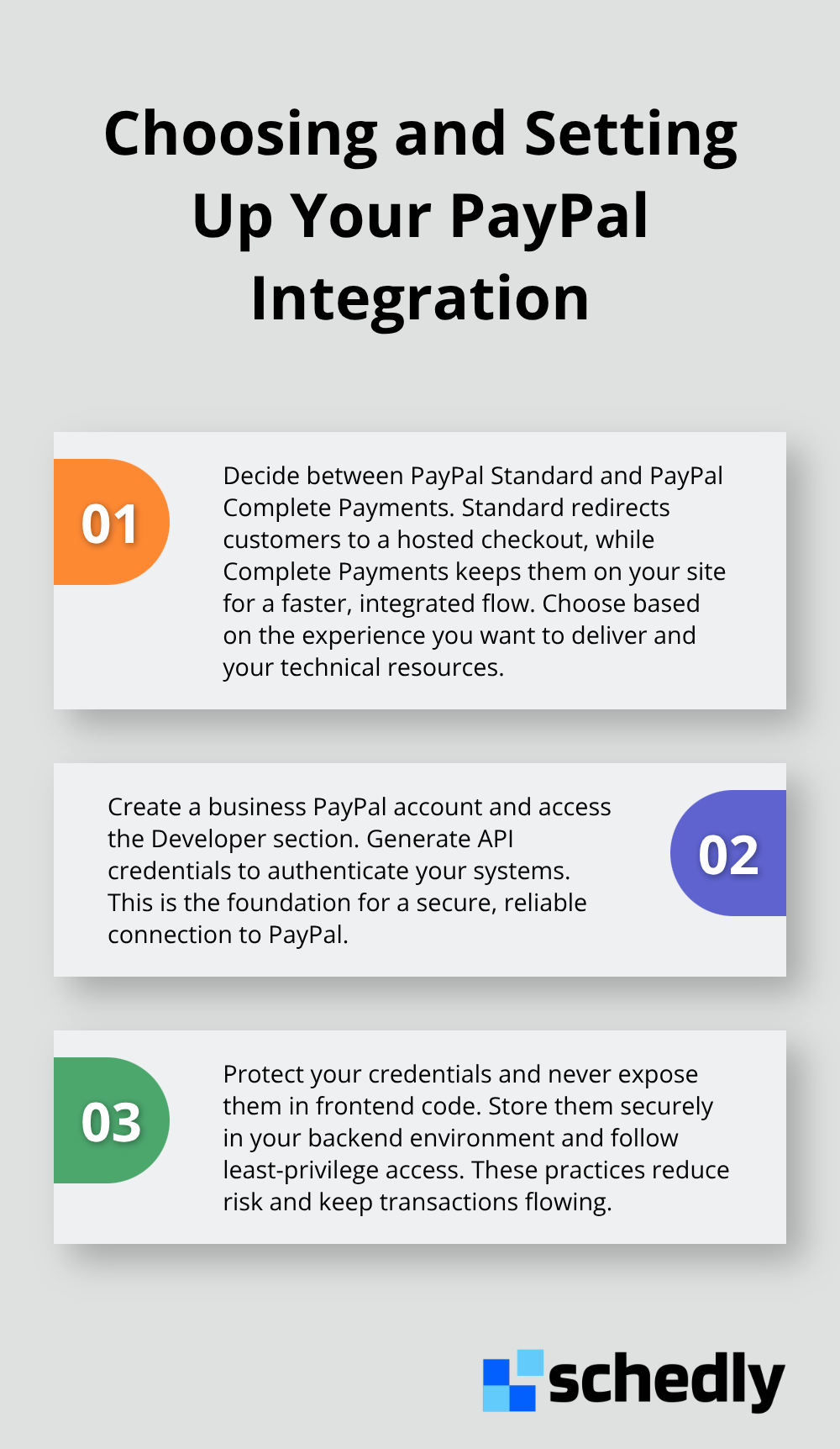
The key decision upfront is selecting between PayPal Standard (a hosted checkout that redirects customers away from your site) and PayPal Complete Payments (which keeps customers on your site for a faster, integrated experience). Complete Payments matters because merchants offering PayPal can increase conversion rates at checkout by 33% on average. Start by creating a business PayPal account, then navigate to the Developer section to generate API credentials. These credentials authenticate your connection to PayPal's systems and you should store them securely in your backend environment, never exposed in frontend code.
Test Before You Launch
Test your integration thoroughly in PayPal's sandbox environment before going live. Process test transactions with test card numbers PayPal provides to verify that payment confirmations trigger correctly, inventory updates work properly, and customer notifications send as intended. This sandbox testing prevents costly mistakes and protects your revenue from configuration errors.
Configuration Decisions That Drive Revenue
Once integration is complete, your payment settings determine whether customers see PayPal as a convenient option or an obstacle. Enable Express Checkout, which allows returning customers to complete purchases with saved payment information. Configure your payment settings to accept multiple currencies if you serve international customers, since PayPal operates in 200+ markets and handles currency conversion automatically.
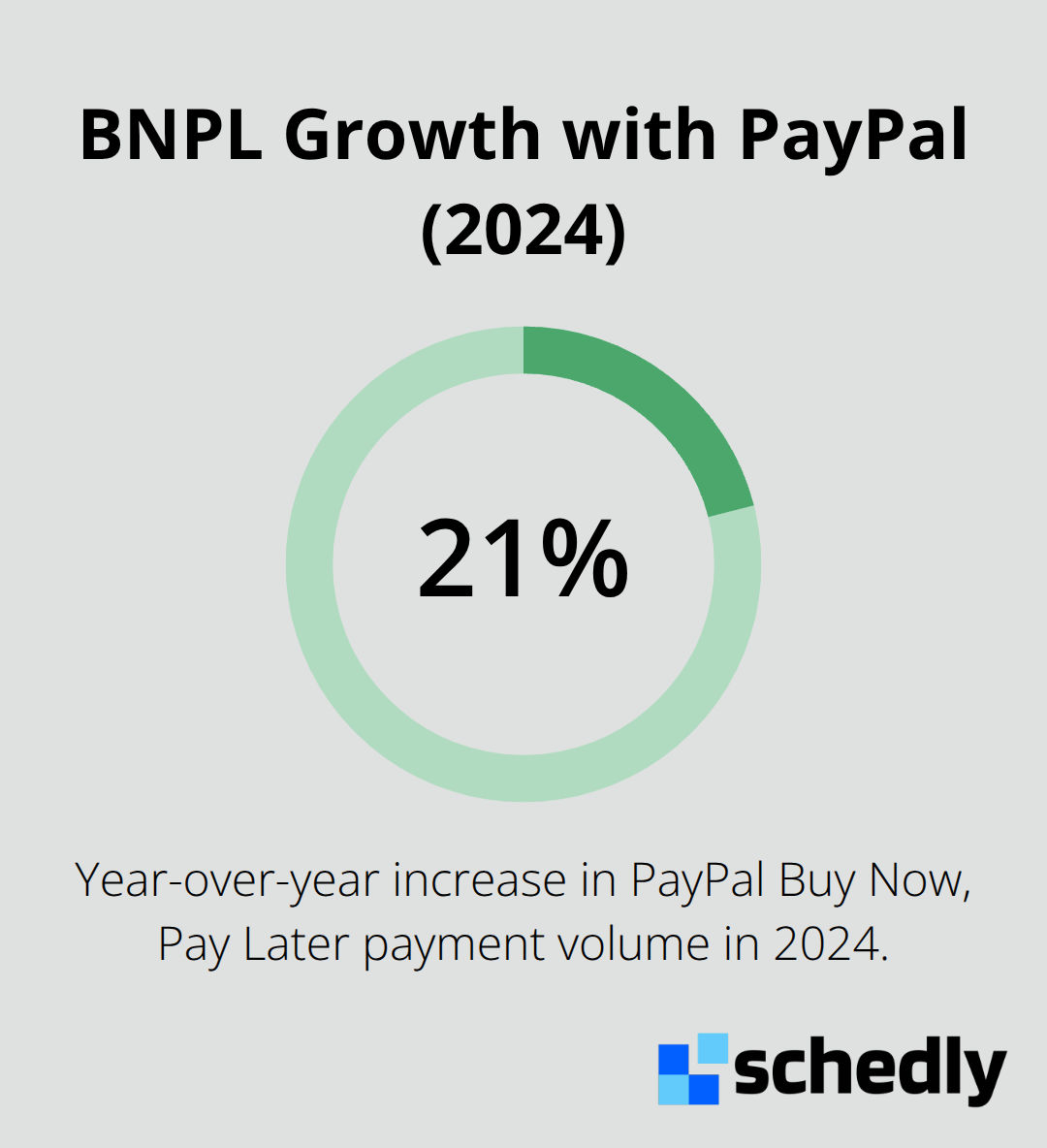
Set appropriate payment thresholds and dispute handling preferences based on your business model. For businesses accepting installment payments, PayPal's Buy Now, Pay Later options drove more than $33 billion in payment volume during 2024, up 21% year over year. Activate fraud detection tools within PayPal's dashboard, which use machine learning to flag suspicious transactions before they impact your business. Configure webhook notifications so your business systems receive real-time payment status updates without manual checking.
Moving to Revenue Optimization
These technical configurations directly influence whether customers complete purchases and whether your fulfillment operations run smoothly. Once PayPal processes transactions reliably, the next phase focuses on maximizing the revenue those transactions generate through PayPal's advanced features and optimization tools.
Turning Payment Options Into Higher Revenue
Activate Buy Now, Pay Later to Expand Your Market
PayPal's Buy Now, Pay Later offering generated over $33 billion in payment volume during 2024, representing a 21 percent year-over-year increase. This matters because customers who select installment payments spend more than twice the purchase volume compared to standard checkout. Merchants activate this feature through their PayPal dashboard by enabling the Pay in 4 option during checkout configuration.
Protect Revenue Through Fraud Prevention
PayPal's fraud detection systems reduce your exposure to chargebacks and disputes, which directly protects revenue. The platform flags high-risk transactions before they settle, giving you time to verify legitimacy or block fraudulent orders. This prevention approach costs nothing extra and saves thousands annually compared to fighting chargebacks after the fact. Your business avoids the operational burden of dispute resolution while maintaining customer trust through secure transactions. The machine learning systems improve continuously, adapting to emerging fraud patterns faster than manual review processes could ever achieve.
Maximize Transaction Value and Frequency
Enterprises using PayPal Complete Payments see higher average spend per transaction and increased purchase frequency than those relying on limited payment methods. This compounds monthly, turning seemingly small percentage gains into meaningful revenue growth. Transaction fees matter less than revenue optimization, though PayPal's rate structure rewards higher volume merchants with negotiated rates that beat the standard 2.9 percent plus 30 cents model. Focus your effort on prominently displaying PayPal at checkout and promoting BNPL options to customers likely to use them-typically first-time buyers, younger demographics, and those purchasing items over $100.
Use Data to Refine Your Checkout Strategy
Configure your webhook notifications to track which payment methods generate the highest customer lifetime value, then emphasize those options in your checkout experience for similar customer segments. This data-driven approach reflects your actual customer behavior rather than industry averages. Customers who complete their first purchase through installment plans often return to use the same payment method, creating predictable repeat revenue. Test different placements of your PayPal and BNPL options to identify which positioning drives the highest conversion for each customer segment. The insights you gather inform future checkout optimization and help you allocate marketing resources toward the payment methods that actually drive profitability.
Final Thoughts
Adding PayPal payment processing to your checkout transforms how customers complete purchases and directly impacts your bottom line. Merchants who offer PayPal experience higher conversion rates, lower cart abandonment, and increased average transaction values. When you combine PayPal with Buy Now, Pay Later options, you access customers who would otherwise leave without buying, while fraud protection reduces your operational burden and protects revenue that chargebacks would otherwise consume.
Implementation requires minimal technical effort, especially if you use platforms like Shopify or WooCommerce where PayPal integrates in minutes. The real work happens after launch, when you monitor which payment methods drive the highest customer lifetime value and optimize your checkout accordingly. Test different placements of PayPal and installment options to identify what resonates with your specific audience, then adjust your strategy based on actual performance data rather than assumptions.
If you operate a service-based business, payment processing works best alongside efficient scheduling and customer management. Schedly handles the booking and scheduling side of your operations while PayPal processes payments securely, creating a seamless customer experience from initial appointment booking through payment completion. Start implementing PayPal today and monitor your conversion metrics closely to watch how expanded payment options drive measurable revenue growth.