
Schedly resources
Why Personalized Scheduling Increases Repeat Business
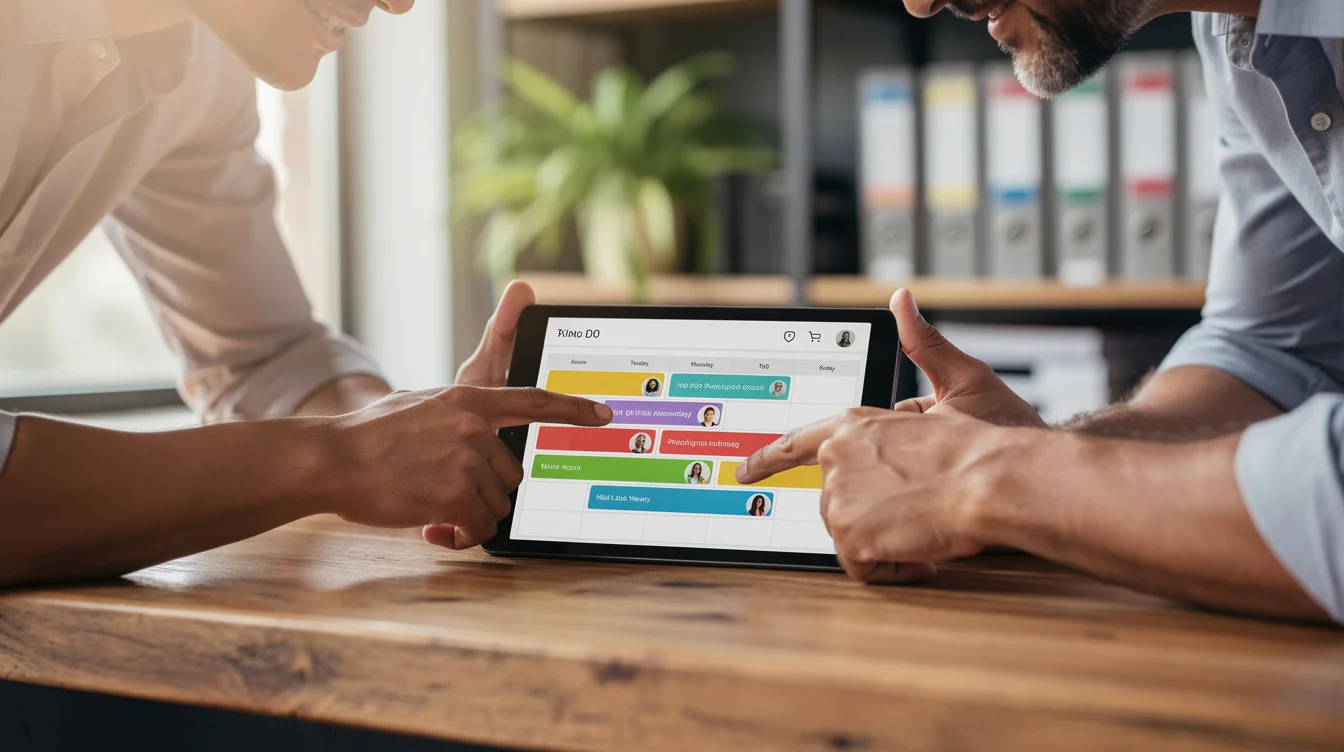
Customers book with businesses they trust. When you remember their preferences and offer scheduling that fits their life, they come back.
At Schedly, we've seen how a smart client segmentation strategy transforms one-time visitors into loyal regulars. The businesses winning today aren't just taking appointments-they're personalizing every interaction.
Why Customers Return to Businesses That Know Them
Preference Data Drives Measurable Results
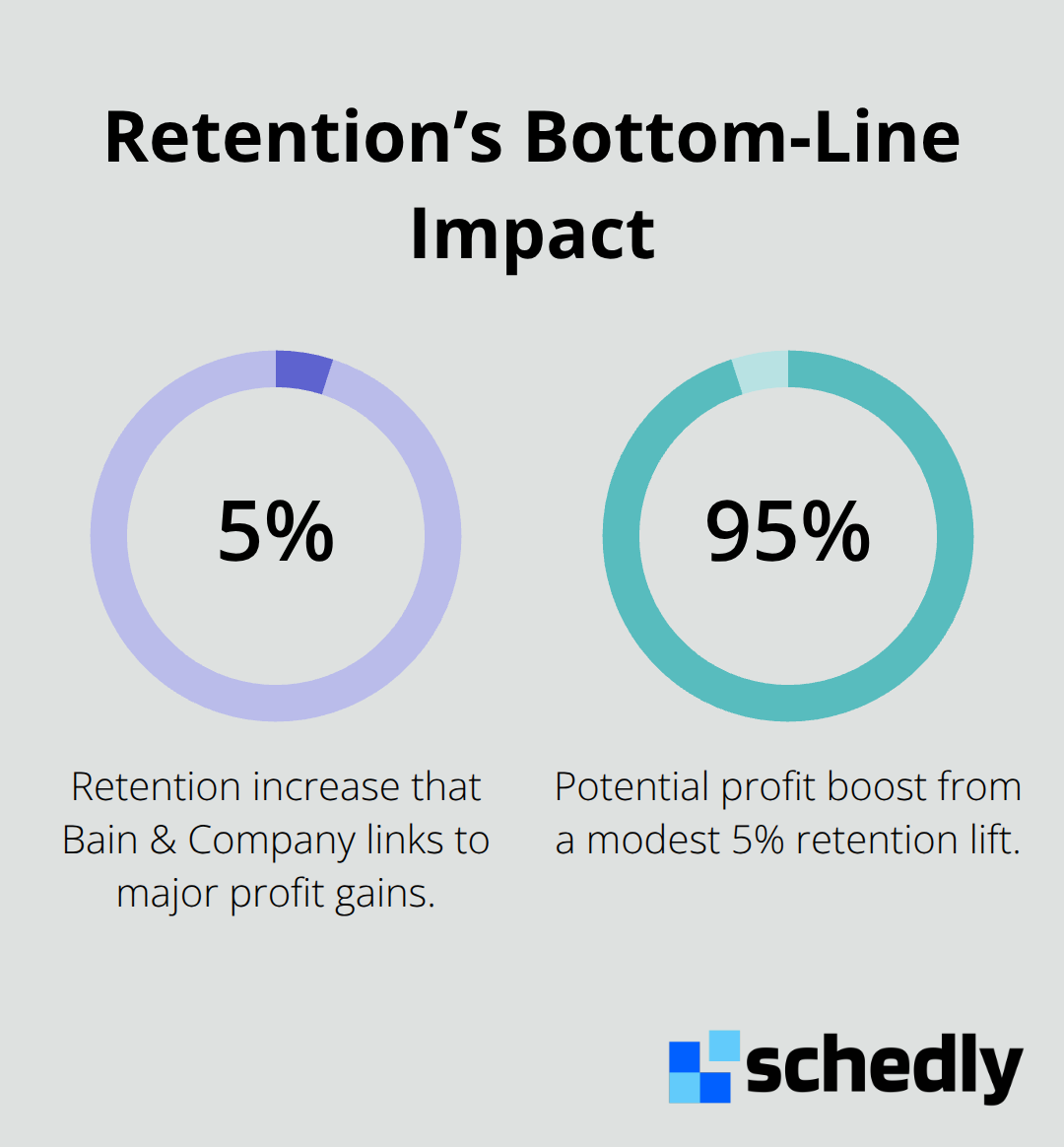
Businesses that track customer preferences see measurable results. When a salon remembers that a client prefers a specific stylist or time of day, that client books again. When a fitness center knows a member prefers early morning classes, retention improves. This isn't about politeness-it's about reducing friction. A study from Bain & Company found that a 5% increase in customer retention can boost profits by as much as 95%. Repeat customers spend more than first-time buyers.
How Repeat Customers Build Revenue
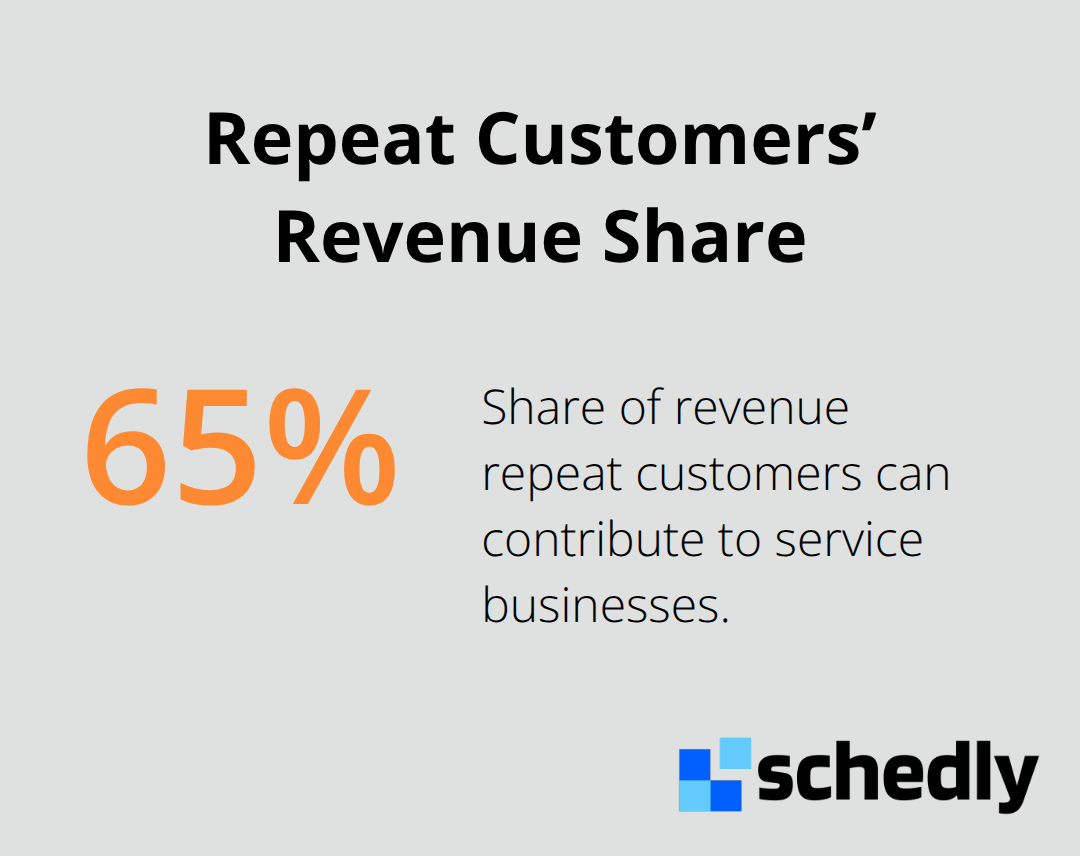
Customers who feel understood make more frequent bookings and larger purchases. When you use customer data to offer preferred time slots or send personalized reminders, you're not just being thoughtful-you're building a business model that compounds revenue over time. The numbers prove this approach works.
Satisfaction Rises When Friction Falls
Personalized experiences drive higher satisfaction rates because customers feel their needs matter. Real-time availability, calendar sync, and smart reminders reduce the frustration of back-and-forth scheduling. A scheduling platform that lets clients see your true availability and book instantly removes a major pain point. Segmented, personalized communication outperforms generic messaging by a significant margin. Segmented campaigns drive up to 760% more revenue than one-size-fits-all approaches.
Communication That Converts
This applies to appointment reminders, follow-up confirmations, and booking notifications. When a customer receives a reminder at their preferred time through their preferred channel, they're more likely to show up and less likely to cancel last-minute. Scheduling software handles this automatically, sending confirmations and reminders based on individual preferences. The businesses winning today capture client preferences, automate personalized communication, and track which scheduling strategies actually drive repeat bookings. They don't guess-they measure which customers return and why. This data-driven approach reveals exactly which personalization tactics move the needle for your specific client base.
How Flexibility Cuts No-Shows and Keeps Customers Coming Back
Customers don't book appointments because they have unlimited free time. They book because a time slot fits their actual schedule. When you offer only rigid scheduling windows, you turn away people who want to work with you but can't make those specific times. This is where flexibility becomes a revenue driver, not just a customer service nicety. Flexible scheduling directly impacts retention and customer satisfaction in service environments. The principle applies across every industry.
A salon that offers early morning slots keeps working parents as clients. A fitness center that schedules classes at multiple times throughout the day retains members who'd otherwise switch gyms. A healthcare provider that opens evening appointment slots reduces wait times and improves patient outcomes. Your calendar should adapt to your customers, not the other way around.
Why Rigid Scheduling Costs You Revenue
Rigid scheduling creates cancellations. When customers can't find a time that works, they either book something inconvenient and then cancel, or they don't book at all. No-shows directly hurt your bottom line because you've already blocked time that could've served a paying customer.
Automated reminders solve part of this problem. A reminder sent at the right time through the right channel reduces no-shows. But the real solution is offering enough scheduling flexibility that customers don't need to cancel in the first place. Smart scheduling software sends confirmations and reminders based on each customer's preferred channel and timing. Some customers want SMS reminders the day before. Others prefer email confirmations immediately after booking. Automation handles this variation at scale, eliminating manual work while actually increasing the likelihood that customers show up.
Personalization Beyond Time Slots
Flexible scheduling means more than just offering multiple time options. It means customers choose their preferred staff member, location, or service type when they book. A client who had a great experience with one stylist should book that same stylist next time without calling to ask. A patient who prefers telehealth appointments should see that option prominently in the booking flow. A real estate client who wants evening property viewings should find those slots available without requesting special accommodations.
This level of personalization requires a scheduling platform that captures preferences during the booking process and makes them visible to your team. The data compounds over time. After a few bookings, your system knows exactly what each customer prefers. You can then use that data to proactively offer preferred time slots before customers even ask, further reducing friction and increasing the likelihood they book again.
How Preference Data Drives Repeat Bookings
Customers who feel understood make more frequent bookings and larger purchases. When you use customer data to offer preferred time slots or send personalized reminders, you build a business model that compounds revenue over time. Real-time availability, calendar sync, and smart reminders reduce the frustration of back-and-forth scheduling. A scheduling platform that lets clients see your true availability and book instantly removes a major pain point.
Segmented, personalized communication outperforms generic messaging by a significant margin. Segmented campaigns drive up to 760% more revenue than one-size-fits-all approaches. This applies to appointment reminders, follow-up confirmations, and booking notifications. When a customer receives a reminder at their preferred time through their preferred channel, they're more likely to show up and less likely to cancel last-minute.
The businesses winning today capture client preferences, automate personalized communication, and track which scheduling strategies actually drive repeat bookings. They don't guess-they measure which customers return and why. This data-driven approach reveals exactly which personalization tactics move the needle for your specific client base. Once you understand what keeps your customers coming back, you can scale those winning strategies across your entire operation.
Industries Winning with Personalized Scheduling Systems
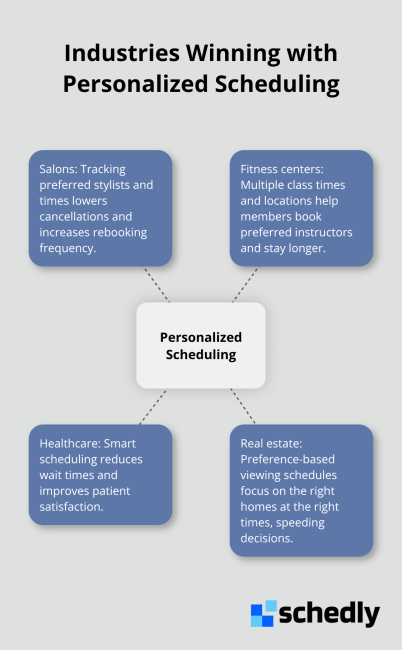
Salons, fitness centers, and healthcare practices have transformed how customers book and return through preference data. A salon that tracks client preferences for specific stylists, hair treatments, and appointment times sees measurable improvements in retention. When a client books with their preferred stylist at their preferred time, cancellation rates drop and booking frequency increases. Fitness centers operating multiple class times and locations retain members who can book their preferred instructor and time slot far longer than those forced into rigid schedules. Healthcare providers using smart scheduling reduce wait times while improving patient satisfaction.
How Salons Leverage Client History to Drive Repeat Bookings
Salons that capture detailed client preferences during booking see tangible revenue growth. A scheduling system records which stylist each client prefers, what services they typically request, and when they like to book. This creates a system where repeat bookings happen with minimal friction. A client who books every six weeks with stylist Maria at 10 AM on Saturdays should see that exact option highlighted when they return to book. This removes decision fatigue and makes rebooking instantaneous. Salons using scheduling software with integrated client history can also send proactive reminders timed to when clients typically need services, turning passive waiting into active engagement.
Healthcare Practices Reducing Friction Through Smart Scheduling
Healthcare providers face unique scheduling challenges: patient no-show rates can reach 12 percent or higher, directly impacting revenue and provider utilization. Smart scheduling addresses this through multiple tactics. Offering evening and weekend appointments captures patients who cannot take time off work, reducing the likelihood they'll skip appointments. Automated reminders sent through preferred channels (SMS, email, or phone) increase show-up rates significantly. Allowing patients to book telehealth appointments when appropriate expands capacity without adding physical space. A practice that segments patients by preference and sends reminders aligned with individual communication habits sees measurable improvements in attendance and patient satisfaction.
Real Estate Agents Streamlining Viewings by Client Preference
Real estate agents using preference-based scheduling cut the time from lead to closed deal. An agent who knows a client prefers homes in specific neighborhoods, with certain features, and available for viewing on weekends can batch viewings strategically. This reduces wasted time on mismatched properties and keeps clients engaged. Scheduling software that captures these preferences and makes them visible across the team ensures every agent working with a client can deliver consistent, personalized service. A client who previously spent weeks looking at unsuitable properties now sees only homes matching their criteria, booked at their preferred times.
Final Thoughts
Personalized scheduling separates businesses that grow from those that stagnate. The data proves it: repeat customers generate more revenue, cost less to maintain, and refer others to your business. A client segmentation strategy that captures preferences during booking removes friction at every step and transforms one-time visitors into loyal regulars.
The winning businesses today compete on how well they understand their customers and how easily those customers can book. A salon that remembers a client's preferred stylist and time slot sees that client return more often. A healthcare practice that offers evening appointments and sends reminders through preferred channels reduces no-shows and improves patient outcomes. A real estate agent who knows a client's property preferences and viewing schedule closes deals faster.
Implementing personalized scheduling doesn't require overhauling your entire operation. Start by capturing customer preferences during the booking process and using that data to streamline future interactions. Schedly automates this work, handling reminders, confirmations, and preference tracking without manual effort while providing analytics to track which scheduling strategies drive repeat bookings.