
Schedly resources
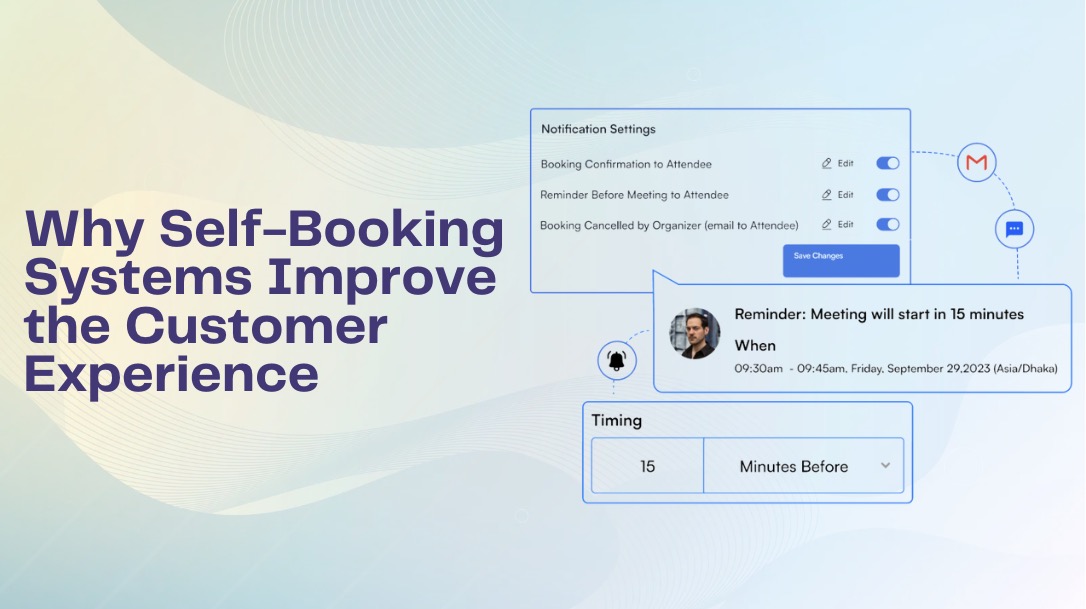
Why Self-Booking Systems Improve the Customer Experience
At Schedly, we've seen firsthand how self-booking systems revolutionize the way businesses interact with their customers.
These systems are transforming the appointment scheduling landscape, offering unparalleled convenience and efficiency.
In this post, we'll explore why self-booking systems are a game-changer for customer experience and how they're reshaping expectations in various industries.
Why 24/7 Booking Matters
Round-the-Clock Accessibility
Self-booking systems have revolutionized the appointment scheduling landscape. Customers can now book appointments at any time, day or night. This flexibility proves particularly valuable for businesses that serve clients across different time zones or those with non-traditional schedules.
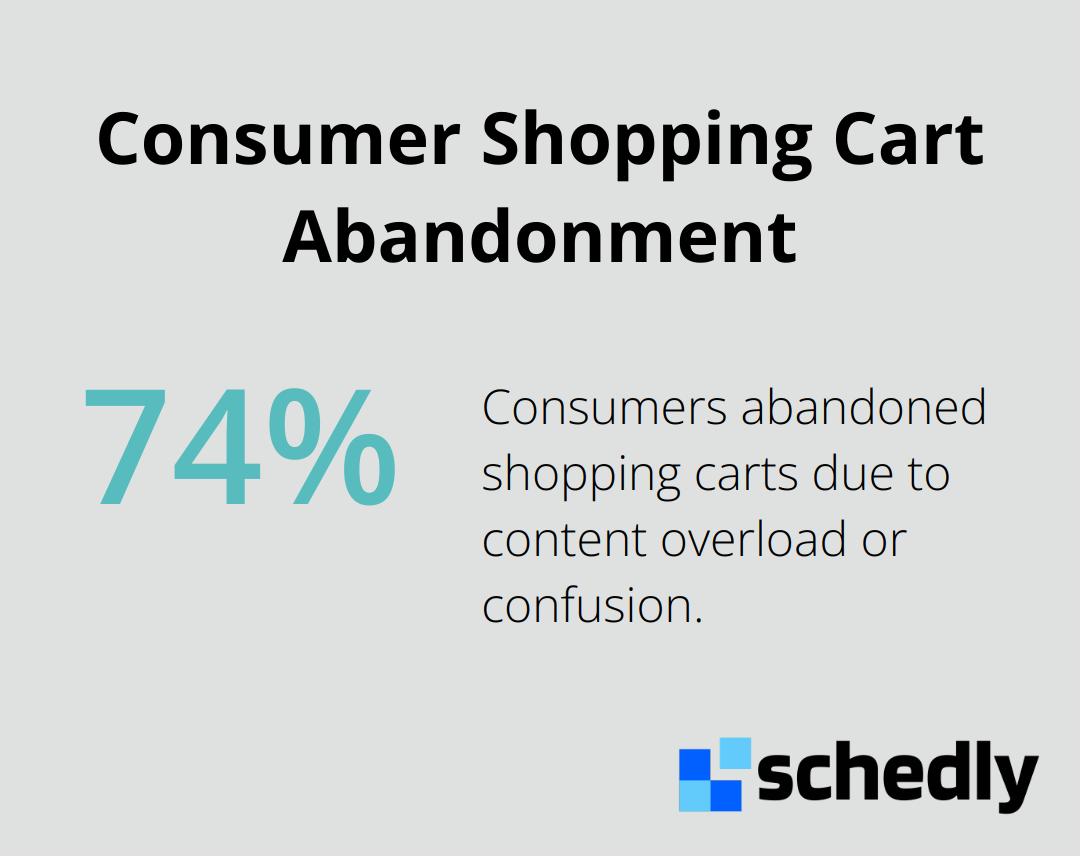
A study by Accenture revealed that 74% of consumers abandoned their shopping baskets in the last three months simply because they felt bombarded by content, overwhelmed by choices, or confused by the experience. Self-booking systems can help simplify the process and reduce this overwhelm.
Streamlined Communication
The days of endless phone tag and long hold times are over. Self-booking systems simplify the appointment process, reducing frustration for both customers and staff. A Salesforce report found that 64% of consumers expect companies to respond and interact with them in real-time. Self-booking systems meet this expectation by providing instant confirmation and eliminating the need for back-and-forth communication.
Global Reach
For businesses with an international clientele, self-booking systems are a game-changer. These systems automatically adjust for different time zones, making it easy for customers worldwide to book appointments without confusion. This global accessibility can significantly expand a business's reach and customer base.
Immediate Response
A Hubspot survey found that 82% of consumers rate an "immediate" response as important or very important when they have a marketing or sales question. Self-booking systems provide this immediacy, allowing businesses to capture leads and convert them into customers more effectively.
Enhanced Customer Experience
Self-booking systems empower customers to take control of their scheduling needs. This autonomy leads to increased satisfaction and loyalty. Customers appreciate the ability to book appointments on their own terms (without the pressure of a phone call or the limitations of business hours).
As we move into the next section, we'll explore how self-booking systems not only provide convenience but also offer personalization and control to customers, further enhancing their overall experience.
How Customers Tailor Their Booking Experience
Selecting Preferred Professionals
Self-booking systems empower customers to choose specific service providers. In healthcare, patients select doctors based on specialties, ratings, or past experiences. A recent study found that 61% of consumers rate their online scheduling experience positively, but only 27% call it excellent.

Flexible Time Slot Selection
Customers value the transparency of viewing all available time slots at once. This feature allows them to pick appointments that perfectly fit their schedules. Consumers' expectations for value and convenience have them making unexpected trade-offs across categories.
Intuitive Appointment Management
Modern self-booking platforms offer user-friendly interfaces for appointment viewing and management. Customers reschedule or cancel bookings without phone calls or emails. This self-service approach saves time for customers and reduces staff workload. Nearly 80% of consumers still rank phone interactions as their preferred customer service channel.
Customizable Booking Options
Self-booking systems often allow customers to set preferences for appointment types, durations, and even specific rooms or equipment. This level of customization enhances the overall booking experience and increases customer satisfaction.
Personalized Reminders
Many self-booking platforms offer customizable reminder settings. Customers choose how and when they receive appointment notifications, whether through email, SMS, or push notifications. This feature reduces no-shows and improves the overall efficiency of the booking process.
Self-booking systems transform the way customers interact with businesses, offering unprecedented levels of personalization and control. These systems not only streamline the booking process but also significantly reduce errors and miscommunication. Let's explore how this enhanced accuracy further improves the customer experience.
How Self-Booking Systems Minimize Errors and Enhance Accuracy
Precise Customer Information Capture
Self-booking systems excel at capturing customer information directly from the source. This approach eliminates the risk of misheard or mistyped details. The American Medical Association reports that 30% of medical errors stem from poor communication. Self-booking platforms address this issue head-on by ensuring accurate recording of customer data from the start.
Real-Time Availability Display
Traditional booking methods often lack transparency regarding available time slots. Self-booking systems solve this problem by presenting a clear, up-to-date view of openings. This feature significantly reduces the likelihood of double-bookings or scheduling conflicts. (A study found that a large proportion of participants were highly satisfied with a new Web-Based Medical appointment System.)
Automated Communication
Self-booking systems shine in sending timely, automated confirmations and reminders. These communications play a vital role in reducing no-show rates. A healthcare sector study revealed that automated reminders can affect no-show rates. This improvement not only enhances the customer experience but also boosts operational efficiency for businesses.
Streamlined Data Management
Self-booking platforms integrate seamlessly with other business systems, such as Customer Relationship Management (CRM) software. This integration ensures that customer data remains consistent across all touchpoints.
Customizable Booking Rules
Advanced self-booking systems allow businesses to set specific booking rules and restrictions. These rules can prevent common scheduling errors, such as overbooking or booking incompatible services. The system automatically enforces these rules, reducing the need for manual oversight and minimizing human error.

Final Thoughts
Self-booking systems have transformed customer interactions, offering unmatched convenience and personalization. These systems provide round-the-clock availability, empower customers to choose preferred providers, and reduce scheduling errors. Self-booking platforms streamline operations, decrease administrative workload, and furnish valuable insights through integrated analytics.
The future of appointment scheduling will see self-booking systems play an increasingly important role. We expect to witness advancements such as AI-powered scheduling assistants and predictive analytics for optimized appointment slots. These innovations will further enhance customer satisfaction and operational efficiency for businesses across various industries.
Schedly offers a comprehensive scheduling solution that helps businesses provide exceptional customer experiences. Our software includes features like branded scheduling pages, secure payment processing, and workflow automation. We invite you to explore how Schedly can elevate your scheduling process and improve your customer interactions.