
Schedly resources
How to Use Scheduling Automation for Seamless Multi-Project Management in 2026
In the fast-paced world of 2026, managing multiple projects simultaneously is the norm rather than the exception. As organizations strive to maintain efficiency and productivity, scheduling automation has emerged as a critical tool for seamless multi-project management. This comprehensive guide explores how businesses can leverage scheduling automation to enhance their multi-project management capabilities, ensuring that they stay ahead in a competitive landscape.
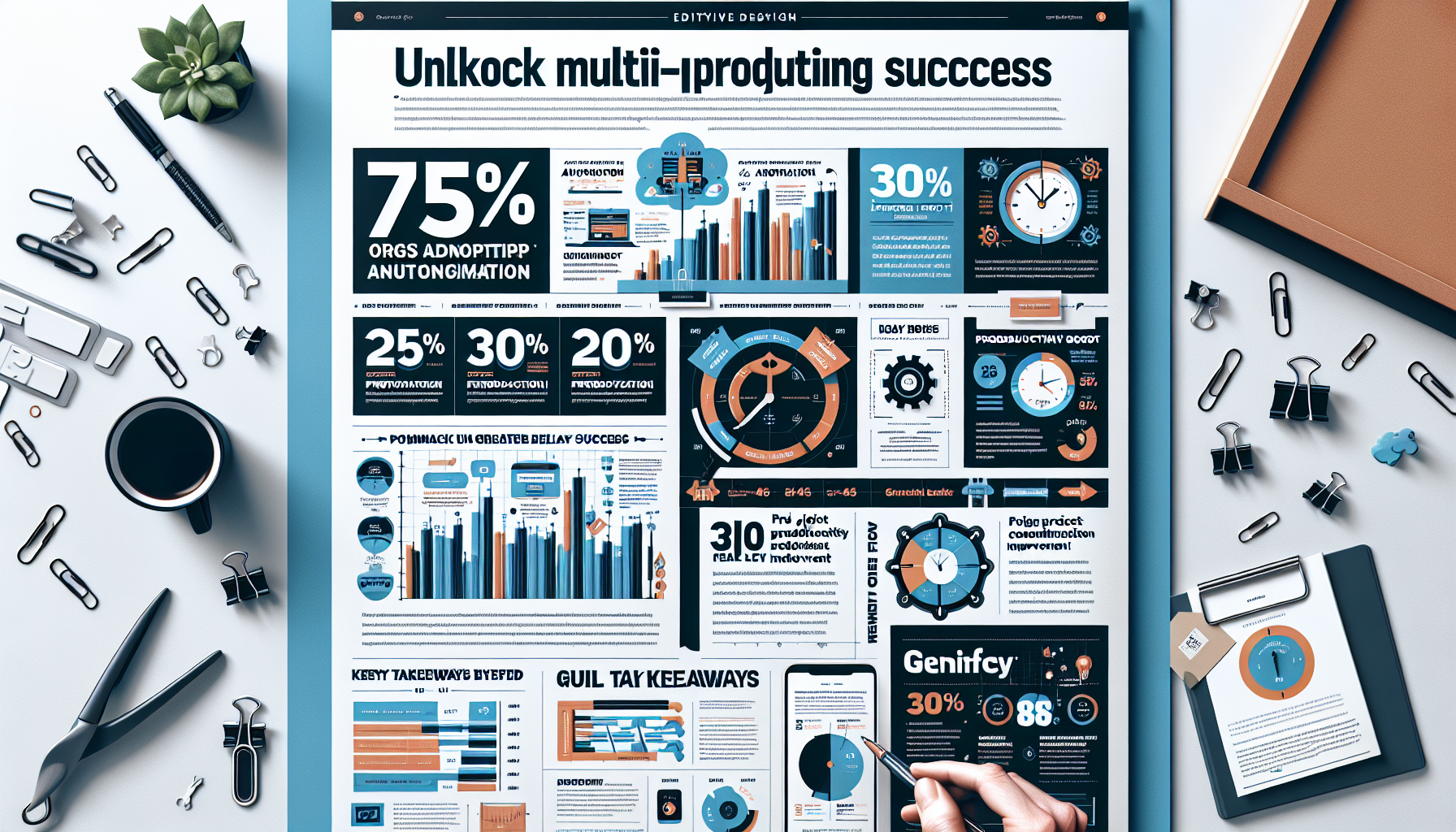
Scheduling automation is no longer a luxury but a necessity for businesses aiming to optimize their resources and streamline operations across various projects. A recent Gartner report highlights that 75% of organizations have adopted some form of scheduling automation, underscoring its growing importance. This trend is driven by the increasing complexity of modern projects, which require more sophisticated tools to manage effectively.
As companies face the dual challenges of globalization and technological advancement, scheduling automation provides a way to bridge gaps in communication and coordination. This is particularly relevant in industries where rapid response to market changes is crucial. For example, in the tech sector, where product development cycles are continuously shortening, scheduling automation helps teams align their efforts and prioritize tasks more effectively.
Understanding the Core Benefits of Scheduling Automation
Scheduling automation offers numerous benefits that extend beyond mere time-saving. These benefits are integral to achieving seamless multi-project management. By automating scheduling processes, organizations can reduce manual errors, enhance coordination, and free up valuable time for strategic decision-making. According to a study by Forrester, companies that implement scheduling automation see a 30% increase in team productivity and a 20% reduction in project delays.

Integrating with Existing Tools
One of the standout advantages is the ability to integrate with existing project management tools, providing a unified platform for managing tasks, deadlines, and resources. This integration is crucial for maintaining visibility across multiple projects and ensuring that all team members are aligned. For instance, a manufacturing company might use scheduling automation to synchronize production timelines with supply chain processes, reducing bottlenecks and enhancing throughput. In another example, a consultancy firm could seamlessly integrate their scheduling tool with customer relationship management (CRM) systems to ensure client engagements are timely and effectively coordinated.
Resource Allocation and Real-Time Insights
Moreover, scheduling automation facilitates better resource allocation by providing real-time insights into team availability and workload. This capability allows project managers to make informed decisions and adjust schedules dynamically as project demands evolve. For example, a marketing agency can use automation tools to allocate designers and copywriters based on their current workload, ensuring balanced distribution and optimal creativity. According to industry reports, companies utilizing automated resource allocation tools have reported a 25% reduction in resource-related conflicts.
Enhanced Communication and Collaboration
Another significant benefit is the enhancement of communication and collaboration among team members. Automated scheduling tools often include features such as shared calendars, instant notifications, and collaboration hubs, which keep everyone on the same page and reduce the likelihood of miscommunication. In a case study involving a global pharmaceutical company, implementing automated scheduling led to a 40% improvement in cross-departmental project coordination, highlighting the transformative potential of these tools. This improvement was further enhanced by the tool’s ability to integrate video conferencing and chat functions, fostering real-time discussions and decision-making.
Implementing Scheduling Automation: Best Practices
Implementing scheduling automation effectively requires a strategic approach that considers the unique needs of your organization. The first step is to conduct a thorough assessment of your current project management processes to identify areas where automation can provide the most value. This involves mapping out existing workflows and pinpointing inefficiencies that can be addressed through automation.

Setting Clear Objectives
Start by defining clear objectives for your scheduling automation initiative. Are you looking to reduce scheduling conflicts, improve resource allocation, or enhance team collaboration? Setting specific goals will guide your implementation strategy and help measure success. For example, a financial services firm might aim to reduce client meeting scheduling errors by 50% within the first year of automation implementation. By setting these benchmarks, organizations can track progress and adjust strategies accordingly.
Choosing the Right Tools
Next, choose the right scheduling automation tool that aligns with your objectives. Consider factors such as ease of use, integration capabilities, and scalability. According to Capterra's user reviews, tools like Schedly are highly rated for their user-friendly interfaces and robust integration features. It's also important to evaluate whether the tool can grow with your organization, accommodating increasing project complexities over time. Comparing features and conducting pilot tests can provide valuable insights before full-scale implementation.
Training and Continuous Support
Training your team is another critical aspect of successful implementation. Ensure that all team members are familiar with the new tool and understand how to use it effectively. This may require conducting training sessions or providing access to online resources. For instance, a company might develop a series of interactive webinars to facilitate learning and adoption among employees. Investing in comprehensive training ensures that the tool is used to its full potential, thereby maximizing its benefits.
Monitoring and Evaluation
Finally, continuously monitor and evaluate the performance of your scheduling automation system. Collect feedback from users and make adjustments as necessary to optimize its functionality and effectiveness. Regularly reviewing system performance allows for the identification of potential improvements, ensuring that the tool continues to meet evolving business needs. Engaging with vendors for updates and new features can also enhance the system's capabilities and adapt to changing project environments.
Overcoming Common Challenges in Multi-Project Management
Despite its advantages, multi-project management can present several challenges that organizations must address to ensure success. One of the most common challenges is resource allocation, where competing priorities can lead to overcommitted teams and project delays. This is especially true in industries like construction, where resource dependencies can be complex and dynamic.

Efficient Resource Utilization
Scheduling automation helps mitigate this issue by providing a holistic view of all projects and resources, enabling managers to allocate resources more efficiently. A McKinsey study found that organizations using automated scheduling tools report a 25% improvement in resource utilization. This is achieved through features that allow managers to visualize resource commitments across projects, making informed decisions about resource deployment. For instance, construction firms can use these insights to prevent equipment and labor overbooking.
Enhancing Communication Across Teams
Another challenge is maintaining effective communication across multiple teams and stakeholders. Automated scheduling tools offer integrated communication features that streamline updates and notifications, ensuring that everyone is informed and aligned. In a survey conducted by the Project Management Institute, 68% of respondents reported improved communication as a result of implementing scheduling automation. By facilitating real-time updates and feedback loops, these tools help prevent information silos and ensure coherent project progression.
Managing Project Timelines
Furthermore, balancing project timelines and deadlines is often a juggling act. Scheduling automation provides real-time updates and alerts, allowing managers to adjust timelines proactively and avoid last-minute surprises. For instance, in the event of a delay in one project, automated tools can quickly adjust dependent project schedules, mitigating the impact on overall timelines. This proactive approach to timeline management ensures that projects remain on track, even amid unforeseen changes.
By addressing these challenges head-on, organizations can enhance their multi-project management capabilities and achieve better outcomes. Implementing a proactive scheduling strategy can lead to significant improvements in project delivery and overall organizational performance.
The Schedly Framework for Seamless Multi-Project Management
At Schedly, we have developed a proprietary framework called the Schedly Seamless Multi-Project Management Framework (SSMPMF), designed to help organizations streamline their project management processes using scheduling automation. This framework serves as a comprehensive blueprint for organizations seeking to optimize their project management practices.

The SSMPMF consists of four key stages: Assessment, Integration, Execution, and Evaluation. Each stage is tailored to address specific challenges and optimize project management outcomes.
Assessment: Identifying Opportunities
This stage involves evaluating your current project management processes and identifying areas for improvement. Conducting a comprehensive needs analysis will help determine where scheduling automation can provide the most value. For example, an organization might conduct stakeholder interviews and process audits to identify bottlenecks and areas for automation. This step is crucial in setting a strong foundation for subsequent stages.
Integration: Creating a Unified System
In this stage, integrate scheduling automation tools with existing project management systems to create a unified platform. This integration ensures seamless data flow and enhances visibility across all projects. Organizations often employ middleware solutions to facilitate integration, ensuring that data is synchronized across platforms without manual intervention. For example, using APIs (Application Programming Interfaces) can be an effective way to connect disparate systems, creating a cohesive project management ecosystem.
Execution: Leveraging Automation Features
With the right tools in place, focus on executing projects efficiently by leveraging automation features such as automated scheduling, resource allocation, and real-time updates. This stage emphasizes the operationalization of automation tools, ensuring that they are embedded into daily project management routines. The integration of AI algorithms can further enhance execution by providing predictive analytics and decision support.
Evaluation: Continuous Improvement
Finally, evaluate the effectiveness of your scheduling automation strategy. Collect feedback from stakeholders and make necessary adjustments to optimize performance. This continuous improvement loop ensures that the scheduling automation strategy remains aligned with business objectives and adapts to changes in project demands. Regularly revisiting the assessment phase can help capture new opportunities and challenges as they arise.
Maximizing ROI from Scheduling Automation Investments
Investing in scheduling automation can yield significant returns if implemented effectively. To maximize ROI, organizations should focus on several key areas. The return on investment is not only monetary but also includes improvements in team morale, client satisfaction, and strategic alignment.
User Adoption and Training
Firstly, prioritize user adoption by ensuring that all team members are trained and comfortable using the new tools. High user adoption rates are directly correlated with better project outcomes and higher returns. According to Software Advice, organizations with strong user adoption strategies see a 40% increase in ROI from software investments. Developing comprehensive onboarding programs and providing continuous support are essential steps in driving adoption. Engaging employees through gamification techniques can also enhance engagement and learning.
Leveraging Data Insights
Secondly, leverage data insights provided by scheduling automation tools to drive continuous improvement. Analyzing data on project performance and resource utilization can help identify areas for optimization and drive strategic decision-making. For example, a logistics company might use data analytics to optimize delivery schedules, resulting in a 15% reduction in operational costs. By creating dashboards and regular reporting mechanisms, organizations can visualize trends and make data-driven decisions.
Integration with Other Business Processes
Additionally, consider integrating scheduling automation with other business processes such as HR, finance, and customer support. This integration can enhance overall operational efficiency and contribute to a higher return on investment. For example, integrating with HR systems allows for the automatic updating of employee availability, streamlining resource allocation processes. Similarly, linking with financial systems can facilitate budget tracking and cost management, ensuring projects remain within financial constraints.
Regular Strategy Reviews
Finally, regularly review and update your scheduling automation strategy to align with evolving business needs and technological advancements. Staying abreast of industry trends and technological innovations ensures that your organization continues to reap the maximum benefits from its scheduling automation investments. Engaging in industry forums and workshops can provide insights into emerging best practices and innovations.
Case Studies: Success Stories in Scheduling Automation
Several organizations have successfully implemented scheduling automation to enhance their multi-project management capabilities. These case studies provide valuable insights and inspiration for others looking to achieve similar success.
Healthcare Provider
For example, a leading healthcare provider used scheduling automation to manage multiple patient care projects across different locations. By integrating scheduling tools with their electronic health records system, they achieved a 30% reduction in appointment scheduling errors and a 50% improvement in patient satisfaction ratings. This integration allowed for more accurate scheduling of patient appointments, reducing wait times and enhancing the overall patient experience. The provider also leveraged automated reminders to decrease no-show rates, further optimizing resource utilization.
Technology Company
In another case, a technology company implemented scheduling automation to streamline the development and deployment of software products. The result was a 25% increase in project completion rates and a 15% reduction in development costs. By automating resource allocation and task scheduling, the company was able to optimize its development pipeline, resulting in faster time-to-market for new products. Furthermore, the integration of agile methodologies with scheduling tools provided enhanced flexibility and responsiveness to market demands.
These success stories illustrate the transformative potential of scheduling automation in diverse industries and underscore the importance of strategic implementation. Organizations considering scheduling automation can learn from these examples and tailor their approaches to achieve similar outcomes.
Future Trends in Scheduling Automation for 2026 and Beyond
As we look ahead to the future of scheduling automation, several trends are poised to shape the landscape in 2026 and beyond. One such trend is the increasing integration of artificial intelligence and machine learning into scheduling tools. These technologies enable more sophisticated data analysis and predictive scheduling capabilities, allowing organizations to anticipate and address potential issues before they arise. For instance, AI-driven tools might predict project delays based on historical data and suggest preemptive actions to mitigate risks.
User Experience and Customization
Another trend is the growing emphasis on user experience and customization. Scheduling automation tools are becoming more intuitive and customizable, allowing users to tailor their interfaces and workflows to meet specific needs. This shift is driven by user demand for tools that align more closely with personal and organizational workflows, enhancing efficiency and user satisfaction. Advanced customization options, such as adjustable dashboards and personalized notification settings, are becoming standard features.
Remote and Hybrid Work Models
The rise of remote and hybrid work models is also influencing the development of scheduling automation tools. Features that support remote collaboration, such as virtual meeting integration and real-time communication, are becoming increasingly important. As organizations continue to embrace flexible work arrangements, tools that facilitate seamless remote collaboration will become essential components of the project management toolkit. This includes enhancements like timezone synchronization and virtual collaboration spaces.
Data Privacy and Security
Lastly, as data privacy and security concerns continue to grow, scheduling automation tools are placing a greater emphasis on robust security measures to protect sensitive information. This includes implementing advanced encryption protocols and compliance with data protection regulations such as GDPR and CCPA. Organizations are increasingly seeking tools with comprehensive security certifications and transparent data handling policies.
These trends highlight the evolving nature of scheduling automation and its potential to drive significant improvements in multi-project management. Staying informed about these developments will enable organizations to adapt their strategies and maintain a competitive edge.
Frequently Asked Questions About Scheduling Automation
As organizations explore scheduling automation, several common questions arise. Here are some FAQs to help address these queries:
What is scheduling automation?
Scheduling automation refers to the use of software tools to automate the process of scheduling tasks, appointments, and resources across multiple projects. It aims to reduce manual effort, minimize errors, and enhance efficiency.
How does scheduling automation improve productivity?
Scheduling automation improves productivity by streamlining workflows, reducing scheduling conflicts, and providing real-time insights into resource availability. This allows teams to focus on high-value tasks and achieve better outcomes.
What are the key features to look for in a scheduling automation tool?
Key features to look for include integration capabilities, user-friendly interfaces, real-time updates, resource allocation, and communication tools. Choose a tool that aligns with your organization's specific needs.
How can I ensure successful implementation of scheduling automation?
Successful implementation involves conducting a needs assessment, selecting the right tool, training users, and continuously monitoring performance. Engage stakeholders and gather feedback to optimize the process.
What are the future trends in scheduling automation?
Future trends include AI integration, enhanced user experience, support for remote collaboration, and increased focus on data security. These trends will shape the development of scheduling automation tools in the coming years.
For more information, explore our comprehensive resources on leveraging scheduling automation to enhance productivity.
Conclusion: Embracing the Future of Scheduling Automation
In conclusion, scheduling automation is a powerful tool that can transform multi-project management in 2026 and beyond. By automating scheduling processes, organizations can improve efficiency, enhance collaboration, and achieve better project outcomes. As the landscape continues to evolve, staying informed about the latest trends and best practices will be essential for success.
To complement your scheduling automation efforts, consider leveraging additional tools such as Apparatuz for workflow automation, Applicantz for recruitment, and Supportly for customer support. Together, these solutions can create a comprehensive approach to managing complex projects and driving business success.
Ready to take the next step? Explore our platform features and discover how scheduling automation can revolutionize your project management processes today.