
Schedly resources
How to Use Scheduling Automation to Optimize Client Follow-Up Processes for B2B Success
In today’s fast-paced B2B environment, where competition is fierce and client expectations are ever-evolving, businesses are constantly seeking innovative ways to enhance operational efficiency and strengthen client relationships. One of the most effective strategies to achieve this is through scheduling automation, specifically designed to optimize client follow-up processes. With the right tools and strategies, companies can ensure timely, personalized, and efficient communications that drive client satisfaction and loyalty. This comprehensive guide will delve into the nuances of scheduling automation, providing actionable insights and strategies to leverage it for B2B success.
The Rise of Scheduling Automation in B2B
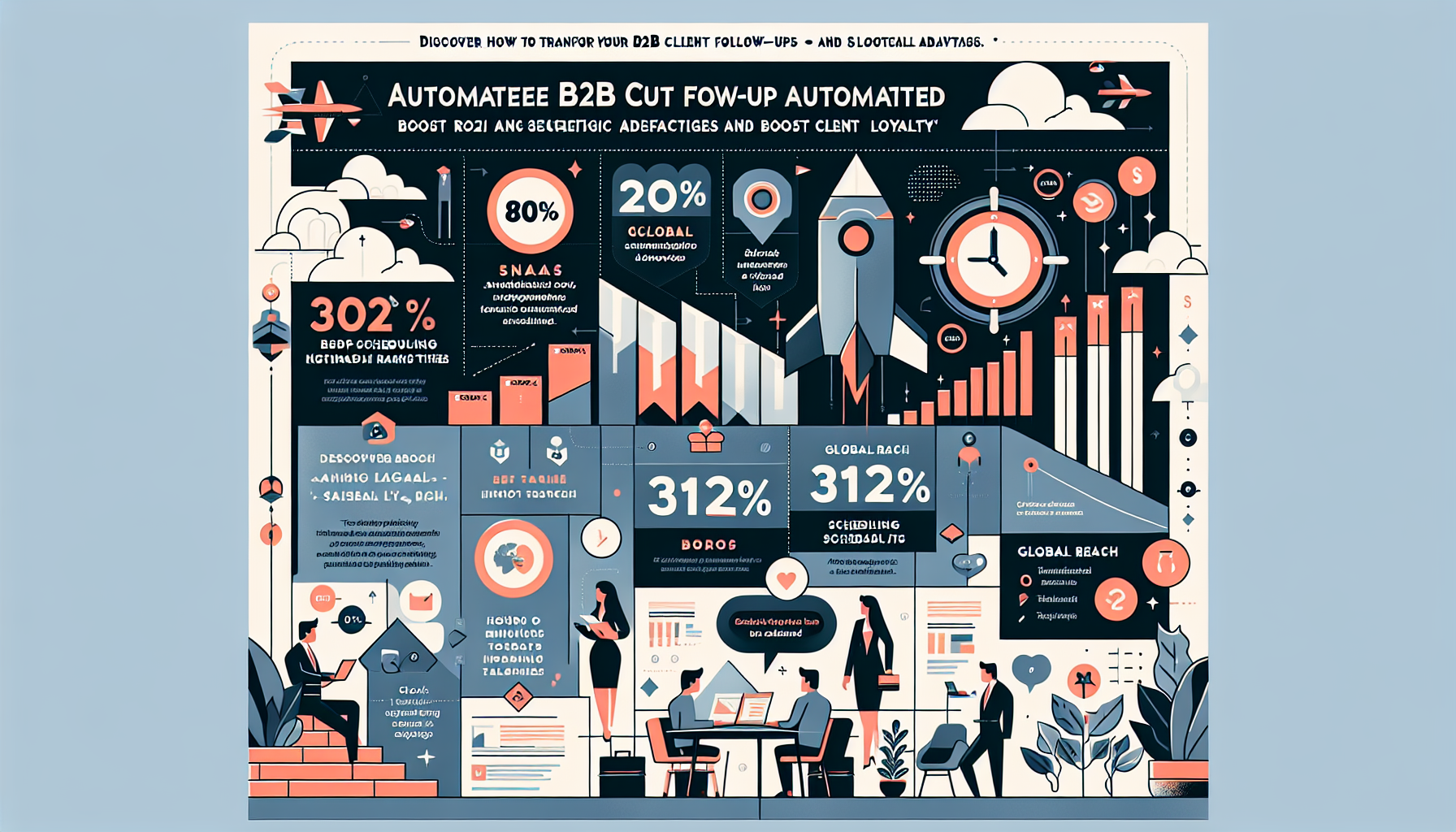
Scheduling automation has emerged as a pivotal tool in the B2B landscape, driven by the need for improved operational efficiency and client engagement. According to Gartner, by 2026, 80% of B2B interactions will be automated, highlighting the growing importance of these technologies. This shift is largely due to the increasing demand for seamless client interactions and the ability to manage complex scheduling needs across various time zones and organizational structures.

Historically, scheduling tasks were manual and time-consuming, often leading to missed opportunities and client dissatisfaction. However, with advancements in technology, businesses can now automate these processes, significantly reducing the time and effort required to manage client appointments and follow-ups. For example, a company previously spending hours coordinating meeting schedules across different time zones can now use automation tools to handle this task within minutes.
Automation tools not only streamline scheduling but also integrate with other business systems, providing a holistic view of client interactions. This integration allows for more informed decision-making and personalized client engagement strategies. As businesses continue to embrace digital transformation, the role of scheduling automation will only grow in significance. Furthermore, a study by Forrester revealed that companies implementing automation in their scheduling processes have seen a 312% ROI, underscoring the financial benefits of adopting such technologies.
In addition to financial benefits, the integration of scheduling automation allows companies to better manage client expectations. For instance, automated reminders and updates ensure that clients are kept in the loop, reducing the likelihood of miscommunications or missed appointments. This proactive approach not only enhances client satisfaction but also positions the company as a reliable partner in their business journey.
Pro Tip: Leverage Time Zone Management
One of the key challenges in scheduling for B2B companies with a global client base is managing different time zones. Automation tools equipped with time zone recognition features can automatically adjust and suggest optimal meeting times for all parties involved. This not only saves time but also demonstrates respect for the client’s schedule, thereby enhancing your reputation for professionalism and attentiveness.
Understanding Client Follow-Up Automation
Client follow-up is a critical component of any successful B2B strategy. It involves maintaining communication with clients post-interaction to foster relationships, address concerns, and encourage repeat business. However, managing these communications manually can be challenging, especially as the client base grows.

Automation in client follow-up processes ensures consistency, timeliness, and personalization. Tools like Schedly allow businesses to automate follow-up emails, reminders, and feedback requests, all tailored to the specific needs and preferences of the client. This not only enhances client satisfaction but also frees up valuable time for sales and support teams to focus on other critical tasks.
Moreover, automated follow-up processes can be integrated with CRM systems to provide insights into client behavior and preferences. This integration allows businesses to tailor their communication strategies, ensuring that clients receive relevant and timely information that resonates with their specific needs and challenges. According to Salesforce, companies that effectively use automation in their client follow-up processes see a 45% increase in client retention rates, demonstrating the significant impact of these technologies on client loyalty and business growth.
For example, consider a scenario where a client receives a personalized follow-up email immediately after a service interaction, thanking them for their business and inviting feedback. This immediate response not only shows that the company values the client but also provides an opportunity to address any concerns before they escalate. Such practices can turn potential detractors into promoters of the brand.
Expert Insight: The Power of Personalization
Incorporating personalization in follow-up communications can greatly enhance the client experience. Automation tools that utilize data analytics to tailor messages based on client history and preferences can foster a sense of connection and loyalty. Personalized follow-ups not only demonstrate attentiveness but also increase the likelihood of positive client feedback and repeat business.
Key Benefits of Scheduling Automation for Client Follow-Up
The implementation of scheduling automation offers numerous benefits that can transform the way businesses interact with their clients. One of the primary advantages is the enhancement of operational efficiency. By automating routine scheduling tasks, businesses can allocate resources towards more strategic initiatives, ultimately improving productivity and profitability.

Another significant benefit is the improvement in client satisfaction and retention. Automated scheduling ensures that clients receive timely and consistent communications, which are crucial for building trust and loyalty. According to a McKinsey study, companies that prioritize client-centric automation strategies see a 30% increase in customer satisfaction scores.
Furthermore, scheduling automation allows for better data management and analysis. By centralizing client interactions within a single platform, businesses can gain insights into client behavior, preferences, and engagement patterns. This data-driven approach enables more targeted and effective communication strategies, ultimately driving higher conversion rates and business growth.
Finally, scheduling automation enhances collaboration and communication within the organization. By providing a unified view of client interactions, teams can work more cohesively, ensuring that all client-facing communications are aligned and consistent. This holistic approach eliminates silos and fosters a culture of collaboration and transparency, which is essential for delivering a seamless client experience.
Checklist: Maximizing the Benefits of Automation
- Identify routine tasks that can be automated to free up time for strategic initiatives.
- Ensure automated communications are consistent and align with brand messaging.
- Leverage data insights to personalize client interactions and anticipate needs.
- Regularly review and optimize automation processes for continual improvement.
With these benefits in mind, it’s clear that scheduling automation is not just a trend but a necessity for businesses aiming to thrive in the competitive B2B landscape. Companies that have embraced these technologies report not only operational improvements but also enhanced client relationships, paving the way for sustained growth and success.
Implementing Scheduling Automation: A Step-by-Step Guide
Implementing scheduling automation requires a strategic approach to ensure successful adoption and integration into existing business processes. The following step-by-step guide provides a roadmap for businesses looking to leverage scheduling automation for client follow-up optimization.

Step 1: Define Your Objectives
Before implementing any automation tool, it’s essential to define clear objectives. What are you hoping to achieve with scheduling automation? Is it improved client satisfaction, enhanced operational efficiency, or better data management? Defining your goals will guide your implementation strategy and help measure success. Consider setting SMART (Specific, Measurable, Achievable, Relevant, Time-bound) goals to provide clarity and focus.
Step 2: Choose the Right Tool
With numerous scheduling automation tools available, choosing the right one is critical. Consider factors such as ease of use, integration capabilities, and features that align with your business needs. It’s also important to choose a tool that can scale with your business as your client base grows. Conducting a thorough needs assessment and tool comparison can prevent future headaches and ensure that the chosen solution aligns with your strategic goals.
Step 3: Integrate with Existing Systems
For maximum efficiency, your scheduling automation tool should integrate seamlessly with your existing CRM and communication platforms. This integration ensures that all client interactions are captured and managed within a single system, providing a comprehensive view of client engagement. Collaborate with your IT department to map out integration processes and address any compatibility issues early in the implementation phase.
Step 4: Train Your Team
Successful implementation requires buy-in from your team. Provide comprehensive training to ensure that all team members understand how to use the tool effectively. Highlight the benefits of automation and how it can make their work easier and more efficient. Training sessions should be interactive and tailored to different learning styles, ensuring that everyone is comfortable and confident in using the new system.
Step 5: Monitor and Optimize
Once implemented, continuously monitor the performance of your scheduling automation processes. Gather feedback from your team and clients, and make necessary adjustments to optimize the system. Regular reviews and updates will ensure that your automation strategy remains effective and aligned with your business goals. Use analytics and reporting features to track KPIs and identify areas for improvement, adapting your strategy as needed to maximize the benefits of automation.
Pro Tip: Engaging Stakeholders in the Process
Involving key stakeholders in the implementation process can ensure smoother adoption and better alignment with business goals. Regular meetings and open channels of communication can help address concerns and gather valuable feedback, which can be used to refine the automation strategy.
Common Challenges and How to Overcome Them
Despite the numerous benefits, implementing scheduling automation is not without its challenges. Understanding these challenges and how to overcome them is crucial for successful adoption and long-term success.
Challenge 1: Resistance to Change
One of the most common challenges is resistance to change from employees. Many people are accustomed to traditional ways of working and may be hesitant to embrace new technologies. To overcome this, it’s important to communicate the benefits of scheduling automation clearly and involve employees in the process. Creating a change management plan that includes communication, training, and support can facilitate smoother transitions.
Challenge 2: Integration Issues
Integrating a new automation tool with existing systems can be complex, especially if there are compatibility issues. To address this, ensure that you choose a tool with robust integration capabilities and work closely with your IT team to resolve any technical challenges. Conducting a thorough system audit before implementation can help identify potential integration obstacles and allow for preemptive solutions.
Challenge 3: Data Security Concerns
With the increase in data breaches, data security is a major concern for businesses implementing automation solutions. To mitigate this risk, choose a reputable tool with strong data protection policies and ensure that your team is trained on best practices for data security. Implementing regular security audits and staying updated on the latest cybersecurity trends can further protect your business and client data.
Challenge 4: Measuring ROI
Measuring the return on investment for scheduling automation can be challenging, especially in the early stages of implementation. To effectively measure ROI, set clear metrics and track performance over time, adjusting your strategy as needed to achieve your goals. Consider both quantitative and qualitative measures, such as time savings, cost reductions, and improvements in client satisfaction, to provide a comprehensive view of automation's impact.
Checklist: Preparing for Common Challenges
- Communicate the purpose and benefits of automation clearly to all stakeholders.
- Conduct a thorough audit of existing systems to identify potential integration issues.
- Ensure robust data protection measures are in place and regularly updated.
- Establish clear metrics for measuring ROI from the outset.
Proprietary Framework: The Schedly Success Cycle
To effectively leverage scheduling automation for client follow-up success, we introduce the Schedly Success Cycle, a proprietary framework designed to guide businesses through the implementation and optimization process.
Stage 1: Assess
The first stage involves assessing your current client follow-up processes and identifying areas for improvement. This assessment should include a thorough analysis of client interactions, communication channels, and existing tools. Gathering input from various stakeholders can provide valuable perspectives and help identify gaps in current processes.
Stage 2: Implement
With a clear understanding of your needs, the next stage is to implement the chosen scheduling automation tool. This involves configuring the tool to align with your business processes and integrating it with your existing systems. Pilot testing with a small group of users can uncover issues early and allow for adjustments before full-scale implementation.
Stage 3: Optimize
Once implemented, continuously optimize your scheduling processes based on performance insights and feedback. This stage involves refining your communication strategies, adjusting automation rules, and ensuring that your processes remain aligned with client needs. Regular check-ins and performance reviews can help maintain momentum and drive ongoing improvements.
Stage 4: Evaluate
The final stage is to evaluate the success of your scheduling automation strategy. This involves measuring key performance indicators (KPIs) such as client satisfaction, retention rates, and operational efficiency to assess the impact of automation on your business goals. Use these insights to inform future strategies and ensure continued alignment with organizational objectives.
Expert Insight: Continuous Improvement is Key
In the dynamic B2B environment, continuous improvement is essential. Regularly revisiting and refining your scheduling processes can help you adapt to changing client expectations and technological advancements, ensuring that your automation strategy remains effective and competitive.
Case Studies: Real-World Success with Scheduling Automation
To illustrate the impact of scheduling automation, let’s explore some real-world case studies of businesses that have successfully implemented these technologies to optimize their client follow-up processes.
Case Study 1: TechCorp
TechCorp, a leading software provider, implemented scheduling automation to streamline their client onboarding process. By automating follow-up emails and appointment reminders, they reduced onboarding time by 40% and increased client satisfaction scores by 20%. This transformation not only improved operational efficiency but also positioned TechCorp as a leader in customer-centric innovation, attracting new clients and retaining existing ones.
Case Study 2: Health Solutions
Health Solutions, a healthcare consulting firm, used scheduling automation to manage client consultations and follow-ups. This resulted in a 30% increase in consultation bookings and a 15% improvement in client retention rates. The automation also allowed the firm to better allocate resources, focusing more on personalized client care and less on administrative tasks, thereby enhancing the overall client experience.
Case Study 3: EduPro
EduPro, an educational services provider, leveraged scheduling automation to manage student and parent communications. By automating feedback requests and progress updates, they improved engagement rates by 25% and reduced administrative workload by 50%. This efficiency enabled EduPro to expand its offerings and reach more students, ultimately driving growth and increasing its market presence.
These case studies demonstrate the transformative impact of scheduling automation on various industries, highlighting the potential for improved efficiency, satisfaction, and business growth. By learning from these examples, other businesses can implement similar strategies to reap the benefits of automation.
Pro Tip: Learn from Industry Leaders
Studying successful implementations in your industry can provide valuable insights and inspiration for your own automation strategy. Analyze how leading companies have overcome challenges and leveraged automation to enhance client interactions and drive growth.
Frequently Asked Questions (FAQ)
As businesses consider implementing scheduling automation, several common questions often arise. Here we address these questions to provide clarity and guidance.
Q1: What is scheduling automation?
Scheduling automation involves using software tools to manage and streamline scheduling tasks, such as appointments, follow-ups, and reminders, without manual intervention. This technology leverages algorithms and data to efficiently coordinate schedules, reducing human error and enhancing precision.
Q2: How does scheduling automation enhance client follow-up?
Scheduling automation enhances client follow-up by ensuring timely, consistent, and personalized communications, improving client satisfaction and retention. Automated systems can send reminders, thank-you notes, and feedback requests at optimal times, ensuring clients feel valued and engaged.
Q3: What are the key considerations when choosing a scheduling automation tool?
Key considerations include ease of use, integration capabilities, scalability, and features that align with your business needs and objectives. It's important to evaluate the tool's ability to adapt to your organizational growth and its compatibility with existing systems for a seamless transition.
Q4: Can scheduling automation be integrated with existing CRM systems?
Yes, most scheduling automation tools are designed to integrate seamlessly with CRM systems, providing a comprehensive view of client interactions and engagement. This integration allows for a unified approach to managing client relationships, enhancing data accuracy and communication effectiveness.
Q5: What are the potential challenges of implementing scheduling automation?
Potential challenges include resistance to change, integration issues, data security concerns, and measuring ROI. Addressing these challenges requires clear communication, robust planning, and continuous optimization. Developing a comprehensive implementation plan and engaging stakeholders early can facilitate smoother adoption and maximize benefits.
Conclusion: Unlocking B2B Success with Scheduling Automation
Scheduling automation represents a powerful opportunity for B2B businesses to optimize their client follow-up processes and achieve greater success. By leveraging these technologies, companies can enhance efficiency, improve client satisfaction, and drive business growth. As you consider implementing scheduling automation, explore complementary tools like Apparatuz for workflow automation, Applicantz for recruitment management, and Supportly for customer support. Together, these solutions create a comprehensive approach to optimizing your business processes and achieving long-term success.
To learn more about how scheduling automation can transform your business, visit our features page or explore our blog on enhancing client engagement with automation. Embrace the future of business interactions and unlock new levels of performance and client satisfaction through strategic use of scheduling automation.