
Schedly resources
How to Use Scheduling Automation to Enhance Client-Supplier Coordination for SMBs
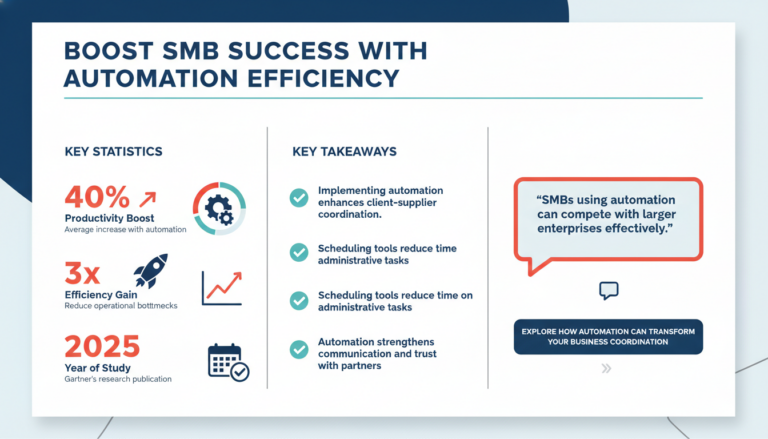
In today's fast-paced business environment, small and medium-sized businesses (SMBs) face the daunting task of managing complex schedules while maintaining efficient communication with clients and suppliers. The advent of scheduling automation offers unprecedented opportunities to streamline these processes, enhancing coordination and driving business success. This comprehensive guide explores how SMBs can leverage scheduling automation to optimize client-supplier coordination, reduce operational bottlenecks, and ultimately foster growth. By understanding the potential and application of these tools, SMBs can position themselves as agile and responsive entities in their respective markets.
The Importance of Scheduling Automation for SMBs
Scheduling automation is not just a luxury but a necessity for SMBs aiming to maintain competitive advantage. With limited resources, SMBs need tools that can reduce time spent on administrative tasks, allowing more focus on core business activities. According to a 2025 study by Gartner, businesses that implement automation solutions see an average increase of 40% in productivity. This significant boost is attributed to the reduction in human error and the efficient allocation of resources.

Moreover, automation allows for seamless integration with other business systems, creating a unified platform for managing diverse functions such as CRM, project management, and supply chain operations. This integration is crucial for SMBs that rely on agility and adaptability to meet client demands and supplier expectations. For instance, a small retail business using automation to synchronize inventory and sales data can more accurately predict stock needs and avoid overordering or stockouts, enhancing overall efficiency.
In addition to boosting productivity, scheduling automation enhances communication channels. By automating reminders and confirmations, SMBs can ensure that clients and suppliers are always informed and engaged, reducing the likelihood of missed appointments or miscommunications. This streamlined communication fosters stronger relationships and enhances trust, a critical component in business operations. For example, a digital marketing agency might use automated scheduling to ensure client meetings are not missed, thereby improving client retention and satisfaction.
Expert Insight: The SMB Advantage
"SMBs that adopt scheduling automation are uniquely positioned to compete against larger enterprises," says Dr. Emily Johnson, a leading expert in business process automation. "By leveraging these tools, SMBs can offer the same level of service and efficiency that clients expect from larger competitors, often at a fraction of the cost." This ability to punch above their weight class is vital for SMBs operating in competitive industries, allowing them to offer personalized services that larger competitors might find challenging to replicate.
Key Takeaway
- Implementing scheduling automation can lead to a 40% increase in productivity for SMBs.
- Automation fosters better communication and stronger client-supplier relationships.
- SMBs gain a competitive edge by adopting efficient automation solutions.
Understanding the Basics of Scheduling Automation
At its core, scheduling automation involves using software tools to manage appointments, tasks, and resources without the need for manual intervention. These tools often include features such as calendar synchronization, automated reminders, and real-time scheduling updates. For SMBs, understanding these basics is the first step toward effective implementation and utilization.

The primary benefit of scheduling automation is its ability to synchronize calendars across different platforms, ensuring that all stakeholders are aligned. This synchronization prevents double-bookings and overlaps, which can be detrimental to client-supplier relationships. In practice, a manufacturing firm can use automation to align delivery schedules with production timelines, ensuring a smooth flow of materials without unnecessary delays.
Additionally, automated reminders help ensure that all parties are aware of upcoming engagements, minimizing the risk of no-shows and last-minute cancellations. This is particularly beneficial for service-based businesses, where missed appointments can lead to significant revenue loss.
Real-time scheduling updates are particularly valuable in dynamic industries where changes are frequent. By automatically adjusting schedules and notifying relevant parties, SMBs can maintain flexibility and responsiveness, key attributes in today's business landscape. For instance, a logistics company might adjust delivery routes in real time based on traffic data, optimizing delivery times and enhancing customer satisfaction.
Common Mistake: Overlooking Integration
One common mistake SMBs make is failing to integrate their scheduling software with other business tools. Without integration, automation cannot reach its full potential, leading to data silos and inefficiencies. It is crucial to select a scheduling solution that seamlessly integrates with existing systems such as CRM and ERP platforms. For example, a real estate firm can integrate scheduling tools with a CRM to ensure client interactions are tracked and follow-up actions are automated.
Quick Win: Start Small
For SMBs new to automation, starting small can yield significant benefits. Begin by automating a single aspect of scheduling, such as appointment reminders, and gradually expand as comfort and expertise grow. This phased approach allows SMBs to manage change effectively and build a solid foundation for more complex automation in the future.
Implementing Scheduling Automation: A Step-by-Step Guide
Implementing scheduling automation requires a strategic approach to ensure successful adoption and integration. Here is a step-by-step guide to help SMBs navigate this process:

Step 1: Assess Needs
Begin by assessing your current scheduling processes and identifying areas that would benefit most from automation. Consider factors such as frequency of appointments, complexity of scheduling, and pain points experienced by staff and clients. For example, a healthcare provider might prioritize automating patient appointment reminders to reduce no-shows and improve patient flow.
Step 2: Choose the Right Tool
With a clear understanding of your needs, research and select a scheduling automation tool that aligns with your business objectives. Look for features such as ease of use, scalability, integration capabilities, and customer support. Resources like Capterra offer comprehensive reviews of scheduling software that can aid in your decision-making process. Consider trialing several options to determine which tool best fits your workflow and meets your specific demands.
Step 3: Train Your Team
Once a tool is selected, invest in training your team to ensure they are confident and proficient in using the system. Training should cover both the technical aspects of the software and new processes that will be implemented. Providing ongoing support and creating a knowledge base can help resolve common queries and encourage staff to fully utilize the tool's capabilities.
Step 4: Monitor and Evaluate
After implementation, continuously monitor the system's performance and gather feedback from users. Use this information to make necessary adjustments and improvements. Regular evaluation ensures that the automation tool continues to meet the evolving needs of your business. Setting key performance indicators (KPIs) such as reduction in scheduling errors or increase in appointment adherence can provide measurable insights into the tool's effectiveness.
Key Takeaway
- Strategic implementation of scheduling automation enhances efficiency and adaptability.
- Choosing the right tool and training are crucial for successful adoption.
- Continuous monitoring and feedback ensure ongoing effectiveness.
Enhancing Client-Supplier Coordination Through Automation
Client-supplier coordination is a critical aspect of business operations, and scheduling automation plays a pivotal role in enhancing this coordination. By automating scheduling processes, SMBs can ensure that all parties are aligned, reducing the potential for miscommunication and delays.

One of the most significant benefits of scheduling automation is its ability to provide visibility into the availability and commitments of all stakeholders. This transparency allows for better planning and decision-making, as both clients and suppliers can see when resources are available and when meetings or deliveries are scheduled. For instance, a construction firm can use automation to align subcontractor schedules with project timelines, ensuring that each phase of a project is completed on time and within budget.
Additionally, automation facilitates the automatic generation of meeting agendas and follow-up tasks, ensuring that all parties are prepared and aware of their responsibilities. This proactive approach helps prevent misunderstandings and ensures that client-supplier relationships remain productive and positive. In industries where precision and timing are crucial, such as event management, this can significantly enhance service delivery and client satisfaction.
Expert Insight: Building Trust Through Transparency
"Transparency is key to successful client-supplier relationships," notes Sarah Thompson, a supply chain expert at Boston Consulting Group. "Scheduling automation provides the visibility needed to build trust and ensure that all parties are on the same page." This transparency not only builds trust but also enables more strategic partnerships, as businesses can plan collaboratively and anticipate each other's needs more effectively.
Key Takeaway
- Automation enhances visibility and transparency, critical for effective coordination.
- Proactive scheduling reduces miscommunication and aligns stakeholder expectations.
- Trust is built through transparent processes and reliable automation tools.
Choosing the Right Scheduling Automation Tool for SMBs
With a plethora of scheduling automation tools available, selecting the right one for your SMB can be challenging. The key is to identify a solution that aligns with your specific needs and objectives while offering the flexibility to adapt to future requirements.
Firstly, consider the level of integration the tool offers with existing systems such as CRM, ERP, and communication platforms. Seamless integration ensures that the tool becomes an extension of your current operations rather than a standalone application. Tools that offer API access and customizable workflows are particularly valuable for SMBs seeking tailored solutions. For example, a consultancy might use a tool with robust API capabilities to integrate with project management software, ensuring project timelines and client meetings are in sync.
Scalability is another critical factor. As your business grows, your scheduling needs will evolve. A scalable solution can adapt to increasing complexity and volume without requiring a complete overhaul of systems. This flexibility is vital for SMBs with growth ambitions. For instance, a tech startup might begin with basic scheduling features but later expand to include advanced analytics and AI-driven insights as the business scales.
Finally, evaluate the user-friendliness of the tool. An intuitive interface with easy-to-use features reduces the learning curve and encourages adoption among staff. Additionally, consider the level of customer support provided, as this can be a determining factor in the tool's long-term success. A responsive support team can make the difference in quickly resolving issues and minimizing downtime.
Quick Win: Feature Prioritization
Prioritize features that address your most pressing scheduling challenges. This targeted approach ensures that the chosen tool delivers immediate value and addresses critical pain points effectively. For example, if miscommunication is a major issue, prioritize tools that offer robust communication and notification features.
Overcoming Challenges in Scheduling Automation Implementation
While scheduling automation offers numerous benefits, its implementation can pose challenges for SMBs. Understanding these challenges and proactively addressing them is crucial for a successful transition.
Resistance to change is a common hurdle that SMBs face when implementing new technology. Employees accustomed to manual processes may be hesitant to adopt automation tools, fearing that they will disrupt established workflows. Addressing this resistance requires clear communication about the benefits of automation and how it will improve their daily tasks. Conducting workshops and demonstrations can help illustrate the tool's advantages and ease concerns.
Integration issues can also arise if the chosen tool does not seamlessly connect with existing systems. To mitigate this, conduct thorough compatibility assessments before selecting a tool and involve IT teams in the decision-making process to ensure technical feasibility. Creating a detailed integration plan can help identify potential pitfalls and ensure a smooth implementation.
Finally, budget constraints can limit the ability of SMBs to invest in comprehensive automation solutions. However, many vendors offer scalable pricing models that allow businesses to start with basic features and expand as needed. This flexible approach can help overcome financial barriers and facilitate gradual adoption. Starting with a basic package and upgrading as the business grows can make automation more accessible and sustainable.
Common Mistake: Underestimating Training Needs
Underestimating the training required for successful implementation is a mistake that can hinder the effectiveness of scheduling automation. Comprehensive training ensures that staff are comfortable with the new system and can leverage its full capabilities. Providing ongoing training sessions and creating a culture of continuous learning can help staff stay updated with new features and best practices.
Key Takeaway
- Proactive communication can overcome resistance to change and facilitate adoption.
- Thorough compatibility assessments prevent integration issues.
- Flexible pricing models make automation accessible for SMBs with budget constraints.
Measuring the Impact of Scheduling Automation on Client-Supplier Coordination
To fully understand the benefits of scheduling automation, SMBs must measure its impact on client-supplier coordination. Metrics such as appointment adherence, communication efficiency, and resource utilization can provide valuable insights into the effectiveness of automation tools.
Appointment adherence refers to the percentage of scheduled appointments that occur as planned, without rescheduling or cancellations. High adherence rates indicate that automation is effectively managing schedules and reducing disruptions. This metric is particularly important for sectors such as healthcare and legal services, where missed appointments can have significant consequences.
Communication efficiency can be measured by the time taken to confirm or update appointments and the frequency of miscommunications. Automation tools that streamline these processes contribute to higher efficiency scores, reflecting improved coordination. Improved communication efficiency can lead to faster decision-making and enhanced client satisfaction.
Resource utilization measures how effectively resources such as staff, equipment, and facilities are used. Improved utilization rates suggest that automation is optimizing scheduling and reducing idle time. For example, a restaurant using automated scheduling can optimize table turnover and staff shifts, enhancing overall service efficiency.
Expert Insight: Data-Driven Decision Making
"Data-driven decision-making is essential for optimizing client-supplier coordination," says Linda Marks, a data analytics consultant at Deloitte Insights. "By measuring key metrics, SMBs can identify areas for improvement and continuously enhance their automation strategies." This approach not only helps in fine-tuning current processes but also prepares businesses to anticipate and adapt to future challenges.
Key Takeaway
- Monitoring key metrics provides insights into the effectiveness of scheduling automation.
- Data-driven decisions enable continuous improvement and optimization.
- Improved coordination enhances overall business performance.
FAQ: Common Questions About Scheduling Automation for SMBs
What is scheduling automation?
Scheduling automation refers to the use of software tools to manage appointments, tasks, and resources without manual intervention. It aims to improve efficiency, reduce human error, and enhance coordination within businesses. Automation tools typically offer features such as automated reminders, real-time updates, and integration capabilities, making them versatile solutions for modern business needs.
How does scheduling automation benefit SMBs?
Scheduling automation benefits SMBs by increasing productivity, enhancing communication, and improving resource management. It allows businesses to focus on core activities by reducing time spent on administrative tasks. By automating routine tasks, businesses can allocate resources more effectively, leading to cost savings and improved customer service.
What should SMBs consider when choosing a scheduling automation tool?
SMBs should consider factors such as integration capabilities, scalability, user-friendliness, and cost-effectiveness when choosing a scheduling automation tool. It's essential to select a tool that aligns with business needs and can adapt to future requirements. Evaluating potential tools through demos and trials can provide insight into how well they fit with existing processes and meet specific business goals.
How can SMBs overcome resistance to scheduling automation?
Overcoming resistance to scheduling automation requires clear communication about the benefits and a focus on training. Involving employees in the decision-making process and addressing their concerns can also facilitate adoption. Creating a culture that embraces innovation and continuous improvement can help ease the transition to new technologies.
Conclusion: The Future of Scheduling Automation in SMBs
As SMBs continue to navigate the challenges of a rapidly changing business environment, scheduling automation emerges as a powerful tool to enhance client-supplier coordination. By streamlining processes, improving communication, and optimizing resource management, automation empowers SMBs to compete effectively in the marketplace.
Looking ahead, the integration of advanced technologies such as artificial intelligence and machine learning promises to further revolutionize scheduling automation, offering even greater efficiencies and capabilities. As these technologies evolve, SMBs that embrace automation will be well-positioned to capitalize on new opportunities and drive sustained growth. For instance, AI-driven predictive analytics could enable businesses to anticipate scheduling conflicts before they arise, ensuring a smoother operational flow.
As you implement these strategies, consider complementing your efforts with tools like Apparatuz, which specializes in workflow automation, and Supportly, a customer support platform. Together, these approaches create a comprehensive solution for your business needs. By integrating various automation platforms, SMBs can create a cohesive ecosystem that enhances efficiency across all aspects of their operations.
For more insights on scheduling automation and its impact on various aspects of business, explore our resources on how AI enhancements will revolutionize productivity and Schedly's advanced scheduling integrations. These resources provide valuable guidance on leveraging the latest technologies to maximize your business's potential.